
Key Highlights
- Costa Rica is emerging as a leader in applied mycology, focusing on sustainable solutions.
- A 30% increase in patent applications related to myco-technology was reported in May 2026.
- Local firms are exporting mycelium-based products to North America, enhancing the economy.
In the cool, damp shadows of the Monteverde Cloud Forest, where the mist clings to the trees like a soft, white shroud, a new kind of treasure hunt is underway. It is not for gold or precious stones, but for the microscopic alchemists of the forest floor—the fungi. In May 2026, Costa Rica is emerging as a global leader in "Applied Mycology," transforming its vast fungal biodiversity into a source of sustainable materials, medicines, and environmental solutions. Here, the humblest of organisms are being reimagined as the architects of a circular economy.
The expansion of mycological research for industrial use in early 2026 is a story of profound biological and economic foresight. It is a recognition that the "third kingdom" of life holds the key to many of the planet’s most pressing challenges. This shift is felt in the atmosphere of the biotech startups in San José, where the talk is of mycelium-based packaging, fungal leather, and plastic-eating spores. It is a narrative of modernization that seeks to align the nation’s economic growth with the regenerative rhythms of the forest.
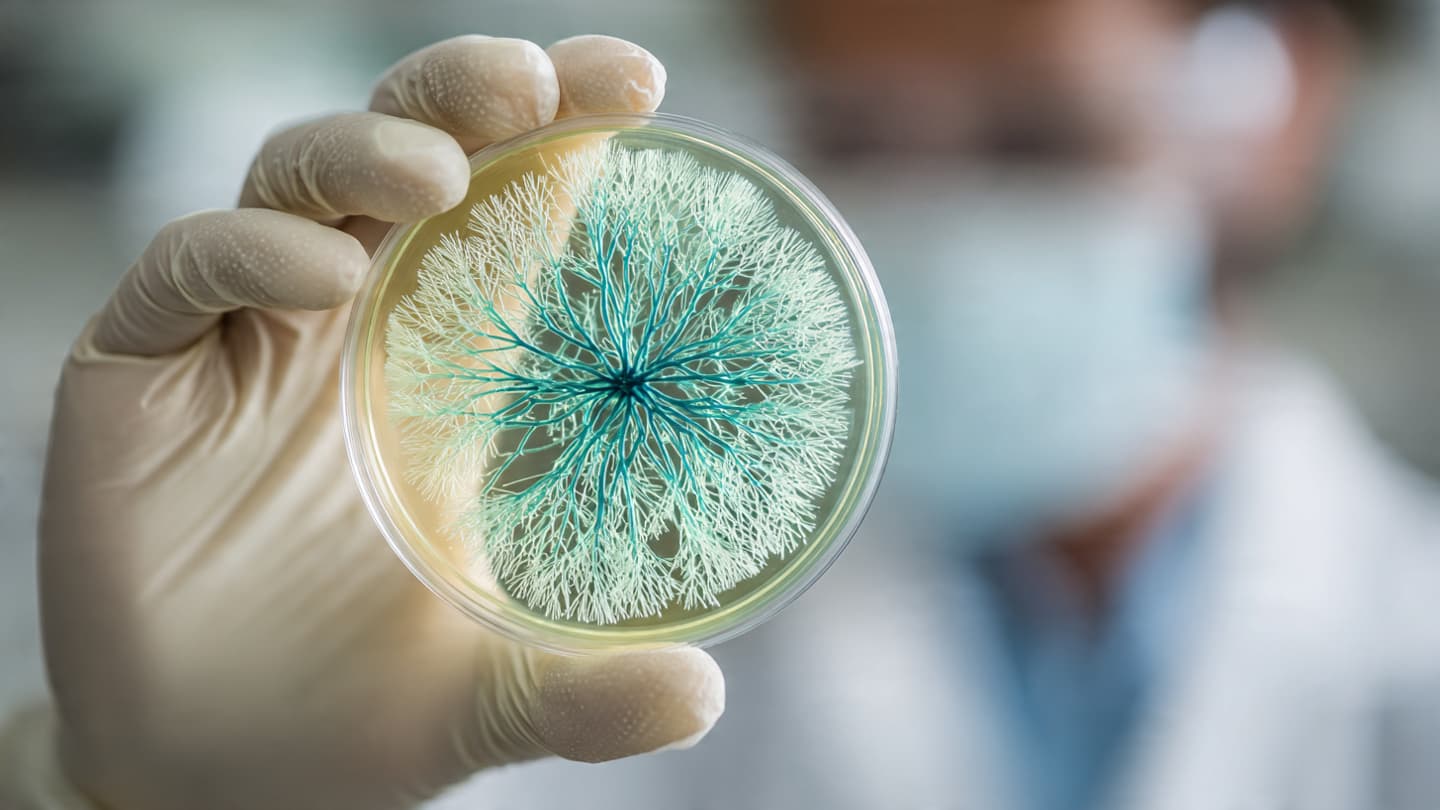
To observe a scientist isolating a new strain of fungi from a fallen leaf is to witness a moment of profound ecological potential. The spore is cultivated in a controlled environment, its unique properties tested and refined for its specific utility. There is a specific music to this endeavor—the quiet, rhythmic hum of the incubators and the soft, focused conversations of researchers who see the forest as a limitless library of chemical blueprints. It is a work of atmospheric innovation, where the goal is to replace extractive industries with a bio-based model that heals as it produces.
The importance of this fungal revolution transcends the mere creation of new products; it is a vital part of the nation’s carbon-negative strategy. Mycelium-based materials act as a carbon sink, sequestering the gas within their structural matrix. This collaboration between the National Institute of Biodiversity (INBio), the university system, and private innovators is a silent form of bridge-building, creating a more resilient and future-proof economy. Costa Rica is positioning itself as a place where the "Pura Vida" is not just about the beauty of the landscape, but about the intelligence of the life that sustains it.
As the mycological sector grows, the potential for new industries—from bio-remediation to gourmet food—expands with every new species identified. The digital mapping of the "funga" allows for a level of precision in bioprospecting that was previously impossible, ensuring that the benefits of this research are shared fairly. It is a story of resilience, where the scientific community has looked to the damp, dark corners of the ecosystem to find the light of the future. The forest remains a sanctuary of mystery, its fungal network now recognized as the "internet of the woods."
The atmosphere of the innovation hubs is one of vibrant, organic ambition. Young entrepreneurs are finding ways to use coffee waste to grow mushrooms and turning pineapple fibers into fungal composites. The capital has become a space where the pursuit of sustainability is the primary driver of the new economy, a place where the next chapter of the Costa Rican story is being written in the threads of the mycelium.
There is a reflective quality to the sight of a piece of high-tech packaging made entirely from forest fungi. It invites a meditation on the way the most ancient life forms can provide the most modern solutions. In Costa Rica, the mycological awakening is a testament to the enduring power of nature to inspire us, reminding us that the answers we seek are often right beneath our feet.
Recent reports from the Costa Rican Ministry of Science, Innovation, Technology, and Telecommunications (MICITT) in May 2026 highlight a 30% increase in patent applications related to "Myco-Technology." Several local firms have successfully exported mycelium-based insulation and packaging to North American markets, citing the country’s unique tropical strains as a competitive advantage. Government officials note that these "bio-materials" are a key component of the national strategy to transition toward a zero-waste and carbon-negative manufacturing sector by 2030.
Published by Banx Network. This article is part of the Banx decentralized media programme, powered by the BXE token on the XRP Ledger.



