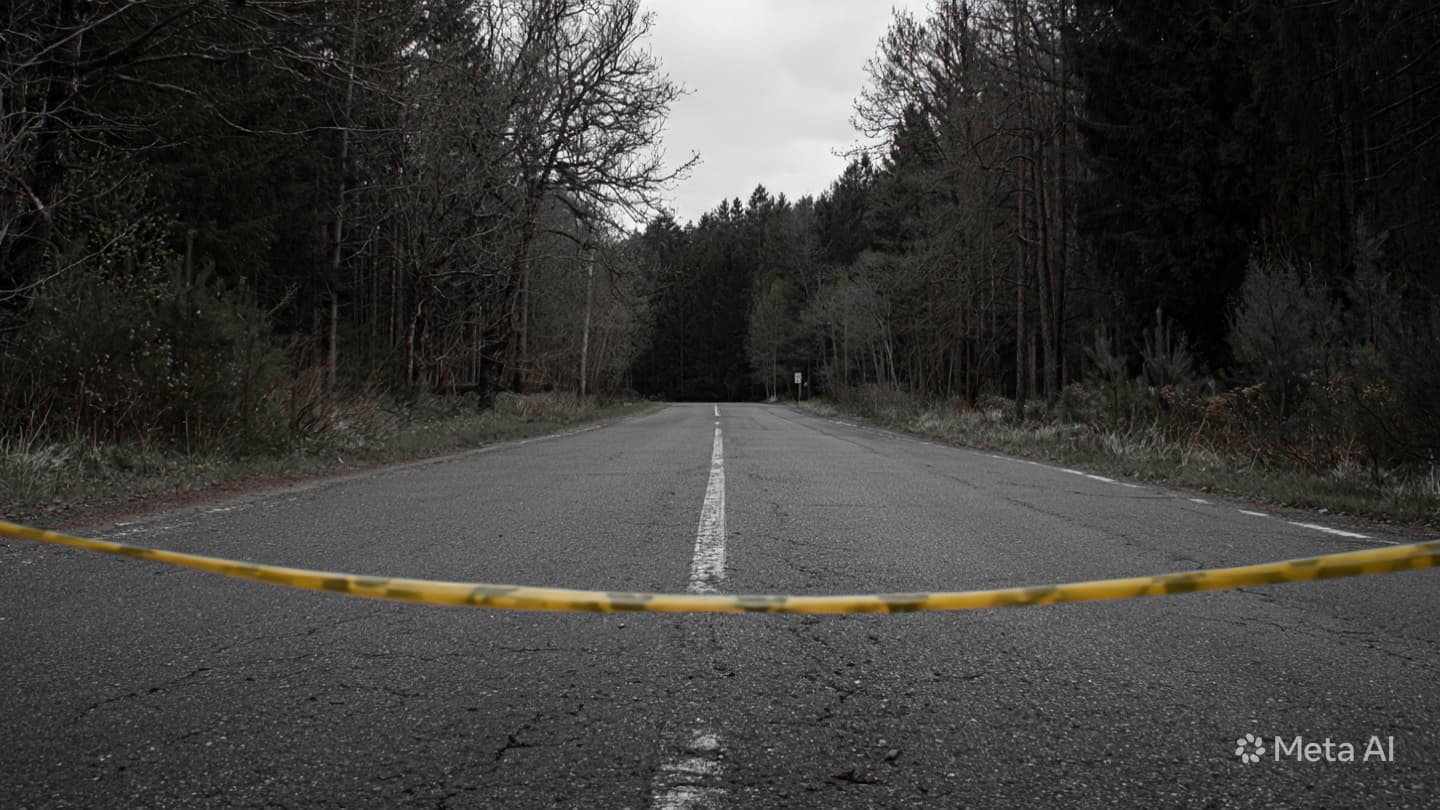
The N290, a provincial road that winds through the quiet, flat fields of Zeeuws-Vlaanderen, has been stilled. Since the tragic afternoon of June 11, the closure of this artery has served as a physical manifestation of the community’s shared, static grief. One observes the barricades, the signs directing traffic away from the site of the collision, and feels the weight of the change. It is no longer just a road; it is a place of profound, communal significance, a site where the rhythm of our daily transit was interrupted by the sudden, violent emergence of an unscripted reality.
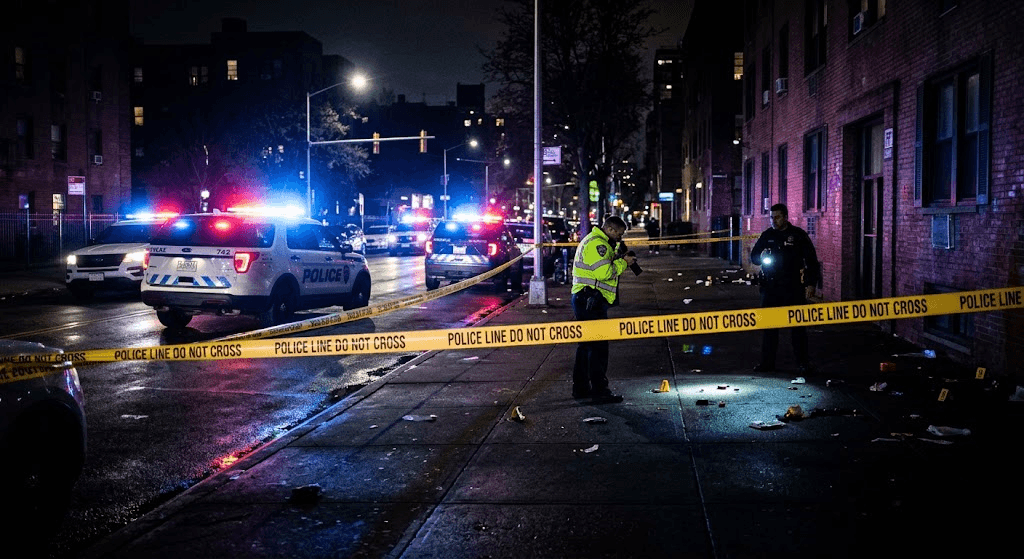
There is a somber, observational quality to the closure. It is a necessary measure, allowing for the meticulous, forensic work of the police, yet it also functions as a space of respect. By halting the flow of vehicles, the authorities have provided the room for the town to mourn, for the investigators to work without the clamor of the everyday, and for the silence to settle over the spot where the lives of three children and a school principal were lost. One walks past the barricades and senses a different quality of time, a stillness that demands a pause, a moment of reflection, and a deep, quiet recognition of the tragedy that transpired here.
The impact of the closure ripples outward, affecting the daily routines of the farmers, the commuters, and the local residents who rely on this route. Yet, there is a collective, unspoken acceptance of this disruption. It is a small price to pay for the sanctity of the site, a gesture of communal solidarity that speaks to the priority we place on the memory of the departed. One feels in this shared inconvenience a sense of unity, a recognition that the road’s purpose has shifted, at least for a time, from one of movement to one of memorial.
Reflection here leads one to consider the way our infrastructure—the roads we take for granted—can become the stage for our most life-altering moments. We are reminded that we are only ever a few feet away from the unexpected, and that the paths we travel daily are both the conduits of our lives and the sites of our potential loss. The N290, once a routine, unremarkable stretch of asphalt, is now a place that requires a more careful, more mindful approach, a place where the memory of the victims will forever be etched into the landscape.
As the investigation moves toward its conclusion, the reopening of the road will be a significant, if quiet, moment in the region’s timeline. It will signify the end of the initial, reactive phase of our response and the beginning of a longer, more contemplative process of integration. We will return to our journeys, but we will do so with a different understanding of the space we occupy, keeping the memory of the tragedy in the quiet, enduring corners of our minds. The road will carry us again, but it will never be the same.
In the final assessment, the closure of the N290 is more than a logistical necessity; it is a symbol of our community’s character. It reflects our ability to prioritize the human over the mechanical, the collective over the individual, and the sacred over the mundane. As we wait for the road to open once more, we do so with a renewed sense of purpose, committed to ensuring that the lessons we have learned are not lost to the passage of time, but are instead carried forward in the way we move, in the way we watch, and in the way we care for one another on the roads that bind us all.
The N290 between Terhole and Vogelwaarde remains closed to traffic as authorities continue their forensic analysis of the accident site. The closure, which was implemented immediately following the June 11 incident, has been maintained to allow police and traffic accident specialists to conduct a comprehensive reconstruction of the scene. Local transport authorities have provided alternative routes for commuters and local agricultural traffic. Updates regarding the reopening of the road are expected in the coming days, contingent upon the completion of the technical phase of the ongoing criminal investigation.
Published by Banx Network. This article is part of the Banx decentralized media programme, powered by the BXE token on the XRP Ledger.

.jpg&w=3840&q=75 "Intelligence Agencies Suspect Russia Is Developing Anti-Satellite Weapon to Target Starlink")