
Key Highlights
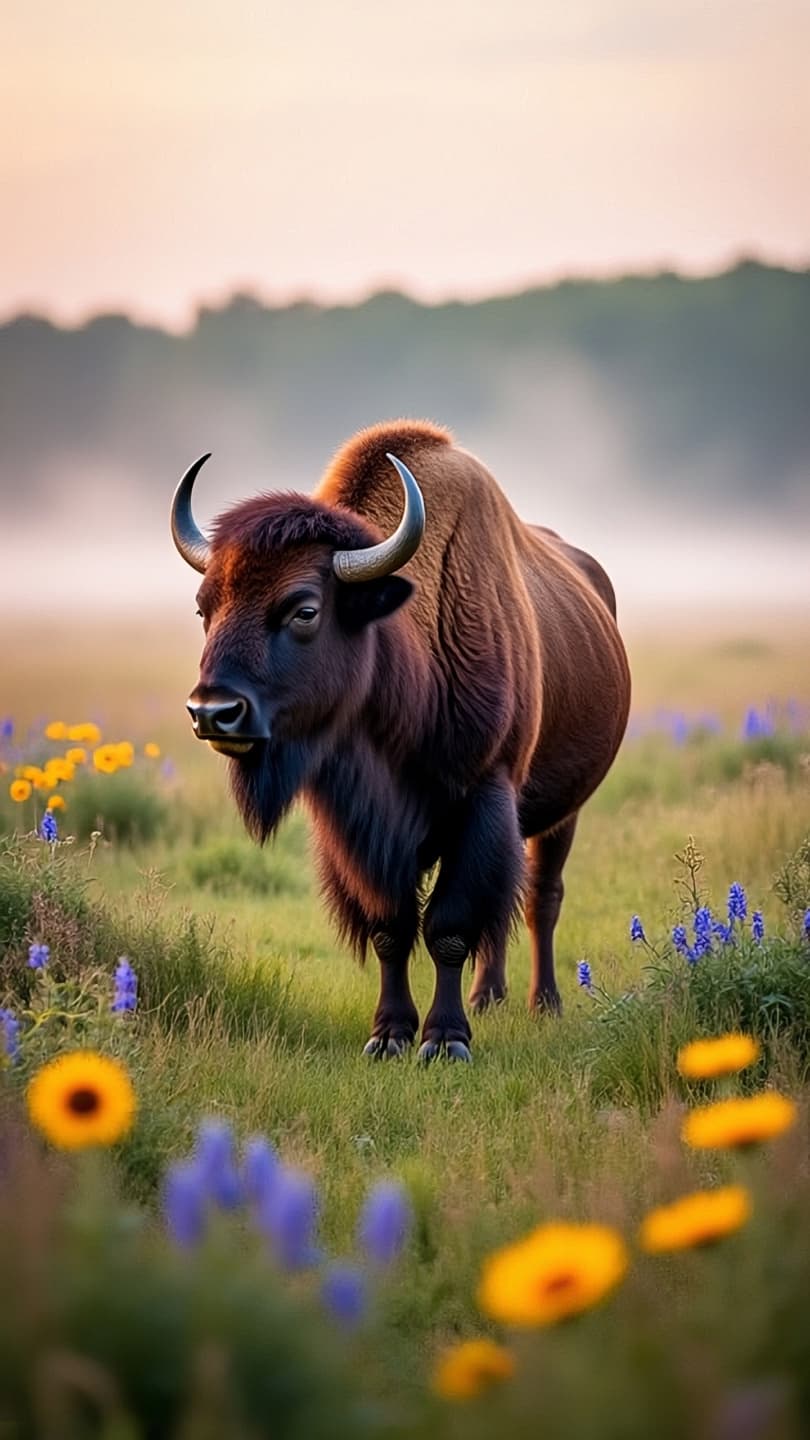
- Record Growth:European bison and wild horse populations in the Czech Republic have reached unprecedented levels in 2026.
- New Initiatives:The Czech Landscape organization is expanding rewilding zones to enhance biodiversity.
- Ecological Balance:Successful wolf pack establishment in major mountain ranges supports ecosystem restoration.
The rewilding movement in the Czech Republic has gained remarkable momentum as of May 2026, showcasing a successful restoration of its natural landscapes. The initiative has led to the flourishing of key species, including the European bison and wild horse, marking a significant ecological milestone. This resurgence is not merely a biological success; it represents a profound reconnection of the land with its historical and ecological roots.
In the expansive grasslands of Šumava National Park and the former military zones of Milovice, the atmosphere is charged with a sense of ancient vitality. The sight of wild horses galloping through the tall grass evokes images from a prehistoric era, while the air is perfumed with the scent of wildflowers that have returned after decades of absence. These plants, reliant on the grazing habits of large herbivores, symbolize the intricate web of life that is reestablishing itself in these areas.
The concept of 'passive restoration' is central to the Czech rewilding efforts. By reintroducing species such as bison and horses, ecologists are allowing these animals to act as natural architects of their environment. The bison create wallows that transform into seasonal ponds, while the horses help maintain the balance of flora by preventing scrubland encroachment. This approach highlights a humility in ecological management, recognizing that nature often knows best when given the opportunity to heal itself.
The rewilding projects have also become a focal point for eco-tourism, attracting visitors eager to reconnect with nature. This new form of 'eco-pilgrimage' allows individuals to experience the vastness and age of the natural world, contrasting sharply with the digital confines of modern life. The Czech Republic is demonstrating that environmental conservation and economic sustainability can coexist, providing a model for other nations to follow.
At the forefront of this movement are research stations affiliated with the Academy of Sciences, where discussions revolve around concepts like 'trophic cascades' and 'genetic diversity.' The reintroduction of apex predators, such as wolves, into shared landscapes necessitates careful engagement with local communities to ensure that these changes are perceived as beneficial rather than threatening. This collaborative approach is essential for fostering a 'wild-inclusive' agricultural model that supports both biodiversity and local livelihoods.
The impact of the rewilding movement is palpable, as evidenced by the vibrant life that now fills areas once dominated by silence. The successful birth of twelve new bison calves this spring is a testament to the program's achievements. Furthermore, the Czech Landscape organization, in partnership with the Ministry of Environment, has announced plans to expand rewilding zones into three new sites in the Jeseníky Mountains, further enhancing the ecological landscape.
Data from satellite tracking indicates that wolf packs have established permanent territories in five of the seven major Czech mountain ranges. In response, the government has increased funding for livestock protection measures, signaling a commitment to a holistic approach to biodiversity restoration and ecological tourism. The rewilding success of 2026 serves as a powerful reminder of humanity's interconnectedness with nature and the importance of allowing wild spaces to thrive for future generations.
Published by Banx Network. This article is part of the Banx decentralized media programme, powered by the BXE token on the XRP Ledger.



