
Key Highlights
- Record Numbers:Marine authorities report a significant increase in humpback whale sightings along the Australian coast this year.
- Conservation Success:The population rebound marks a triumph for international conservation efforts.
- Community Engagement:Coastal towns celebrate the whales' return, fostering a culture of respect and observation.
The ocean along the eastern coast of Australia serves as a vital artery for marine life, particularly during the annual migration of humpback whales. Each year, these majestic creatures journey from the icy waters of the Antarctic to the warmer, sheltered bays of the northern coast. This migration, characterized by endurance and grace, is not just a spectacle of nature but a profound reminder of the interconnectedness of marine ecosystems.
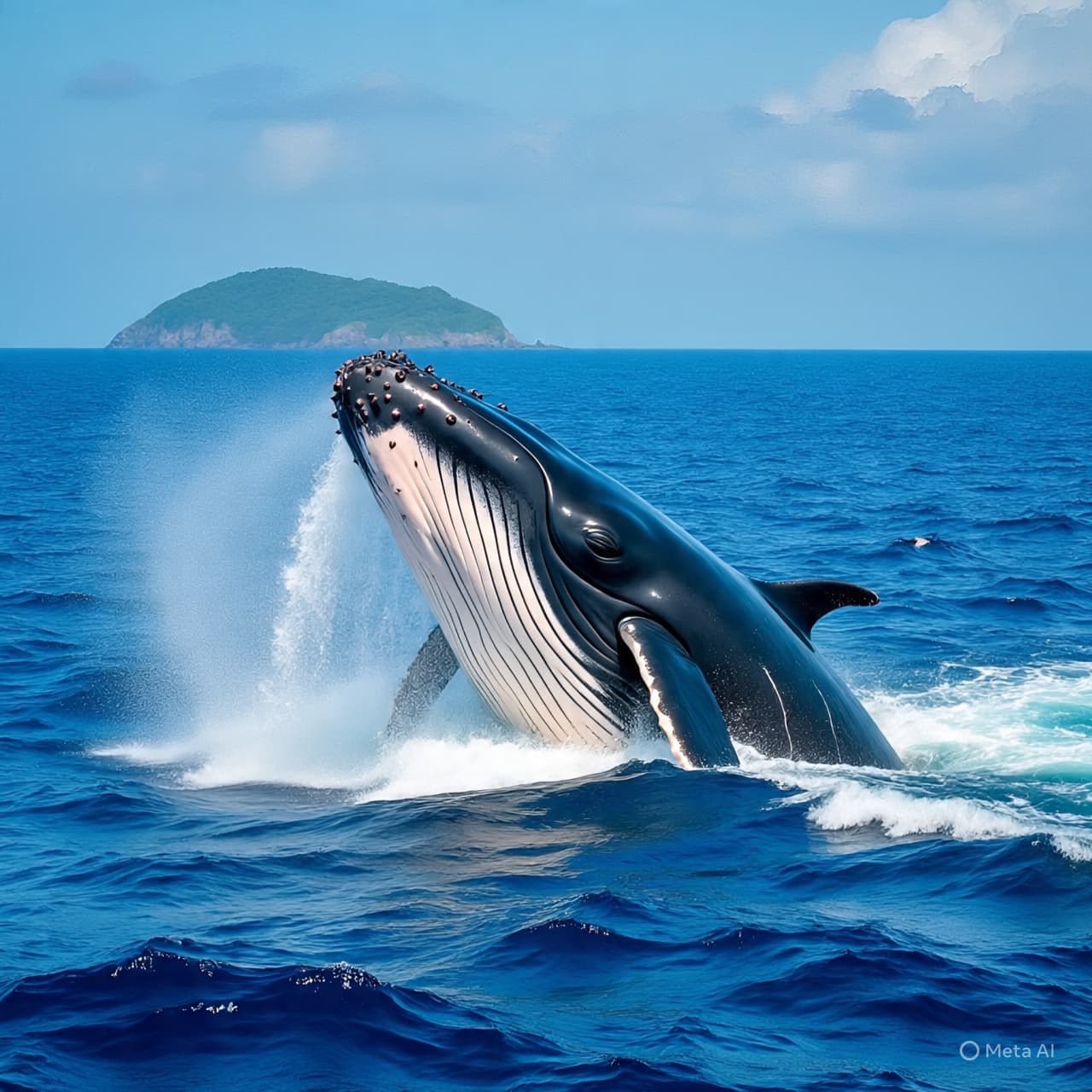
As the humpbacks breach the surface, their massive bodies momentarily suspended in the air, they create a breathtaking display that captivates onlookers. Observers along the coast witness a powerful narrative of homecoming, as these whales return to the very waters where they were born. Their haunting songs, which can travel hundreds of miles underwater, resonate with themes of connection and survival, echoing the ancient rhythms of the ocean.
The arrival of the humpbacks transforms the coastal landscape, shifting from a tranquil horizon to one alive with the sounds of breathing giants. This phenomenon serves as a poignant reminder of our shared existence with these magnificent beings, whose survival is intricately linked to our conservation efforts. The presence of humpbacks signals the ongoing cycles of nature, even amidst the challenges posed by modernity.
Today, the sight of humpback whales is a testament to successful conservation initiatives. Once on the brink of extinction due to whaling, their numbers have rebounded significantly, thanks to international protections and a shift in public perception towards marine life. The bays that were once sites of hunting have now become sanctuaries for observation, fostering a relationship of respect between humans and whales.
In coastal communities, the atmosphere is charged with excitement as locals and tourists alike gather at lookouts, binoculars and cameras in hand, eagerly awaiting the first signs of the whales. This collective experience fosters a sense of humility and appreciation for the natural world, as people witness the grace of these creatures in their natural habitat.
The focus on whale conservation underscores the importance of maintaining healthy marine ecosystems. The health of the Australian coast is directly tied to the conditions of the Antarctic feeding grounds, making the humpback whale a crucial indicator of ocean health. Their migratory patterns remind us that the boundaries we impose on maps are insignificant in the vastness of the ocean.
As the sun sets over the Pacific, casting a golden glow across the water, the humpbacks continue their journey northward. Their silhouettes emerge against the twilight, embodying the spirit of resilience and connection that defines their existence. The ongoing recovery of the humpback whale population is not just a victory for conservationists but a shared triumph for all who cherish the ocean's wonders.
Marine authorities have reported record numbers of humpback whales migrating along the Australian coast this year, indicating a robust recovery of the population. Organizations dedicated to marine safety remind boaters to maintain the legally required distances from the whales to avoid disturbances during their calving season. Continued monitoring of ocean temperatures and krill populations remains essential to ensure the long-term success of this vital migratory route.
Published by Banx Network. This article is part of the Banx decentralized media programme, powered by the BXE token on the XRP Ledger.



