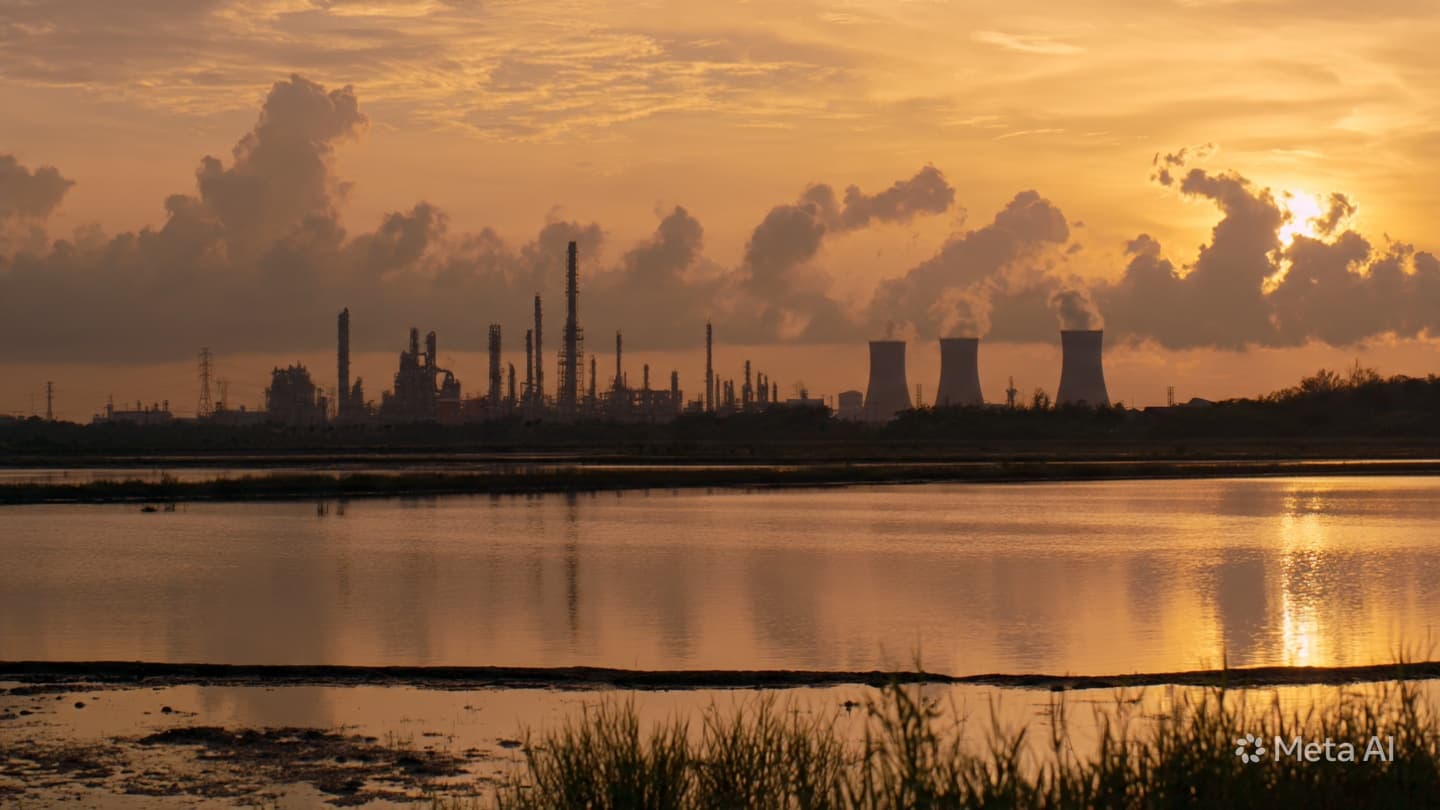
The industrial heart of Rayong is a landscape defined by the hum of machinery, the soaring silhouettes of chimneys, and the constant, steady flow of production. It is a world where the chemistry of our modern existence—the plastics, the fuels, the materials that define our lives—is crafted in a crucible of heat and innovation. We look to these plants as the engine of our economy, trusting in the systems that manage the volatile nature of their output. Yet, there is a fragility in this dance, a thin line between the control of the flame and the release of the hazardous breath of industry.
On a day when the routine of the plant was interrupted by the sudden, sharp scent of an uncontrolled chemical reaction, the air in the surrounding community changed. The fire that broke out was not merely a mechanical failure; it was a release of the invisible, potent elements that are usually contained within the steel walls of the facility. For those who breathed that air, the experience was one of sudden, respiratory distress—a reminder that the safety we count on is not just a structural concern, but a matter of the very breath we take to survive.
To contemplate the injuries reported in Rayong is to be struck by the vulnerability of the residential spaces that exist in the shadow of the industrial zone. Our homes, while distinct from the factory, are deeply connected to the health of the air that flows between them. The fire serves as a sobering, heavy reflection on the hidden costs of our convenience, a moment where the invisible chemistry of our world becomes painfully, tangibly manifest in the throat and the lungs of the community.
The emergency response, characterized by the quick deployment of containment teams and the clinical focus of medical personnel, was a testament to the necessity of constant, rigorous safety management. They worked under the heavy, acrid smoke, their actions a vital, protective barrier between the uncontrolled fire and the health of the population. Their dedication highlights the unspoken importance of the work that is required to sustain our industrial society, while also reminding us of the immense potential for harm when the equilibrium is lost.
In the days that follow, as the air begins the slow, rhythmic process of clearing, the community is left to grapple with the aftermath. It is a moment of collective pause, a time to demand transparency, to inquire into the causes of the breach, and to hold the industrial leadership accountable for the well-being of the neighbors who share the air. We are invited to reflect on the balance we strike between our need for the materials of industry and our right to a safe, breathable environment.
As the plant resumes its humming, churning course, the memory of the fire will remain a quiet, persistent reminder of the fragility of our industrial life. We honor those who were injured by reflecting on the health of our surroundings and by committing ourselves to a future where safety is never an afterthought, but the primary, guiding principle of every machine and every reaction. The air of Rayong belongs to the people, and it is a resource that must be guarded with a level of care that is equal to the scale of our ambitions.
We are left to hold the memory of this event with gravity, recognizing that the progress we seek is only as sustainable as the health of the communities that support it. In the soft, hazy light of the evening, as the industrial rhythm continues, we breathe in with a renewed awareness of the air that surrounds us, mindful of the balance that must be maintained to ensure the prosperity and the safety of all who live in the shadow of the stacks.
A chemical plant fire in Rayong resulted in several respiratory injuries among local residents and facility staff, who were exposed to thick, acrid smoke. Emergency services and hazardous materials units were deployed to contain the fire and provide medical treatment to those suffering from inhalation distress. Regional environmental and public health agencies have launched an investigation into the cause of the fire and the integrity of the plant’s safety measures, while monitoring air quality levels in the surrounding communities.
Published by Banx Network. This article is part of the Banx decentralized media programme, powered by the BXE token on the XRP Ledger.