
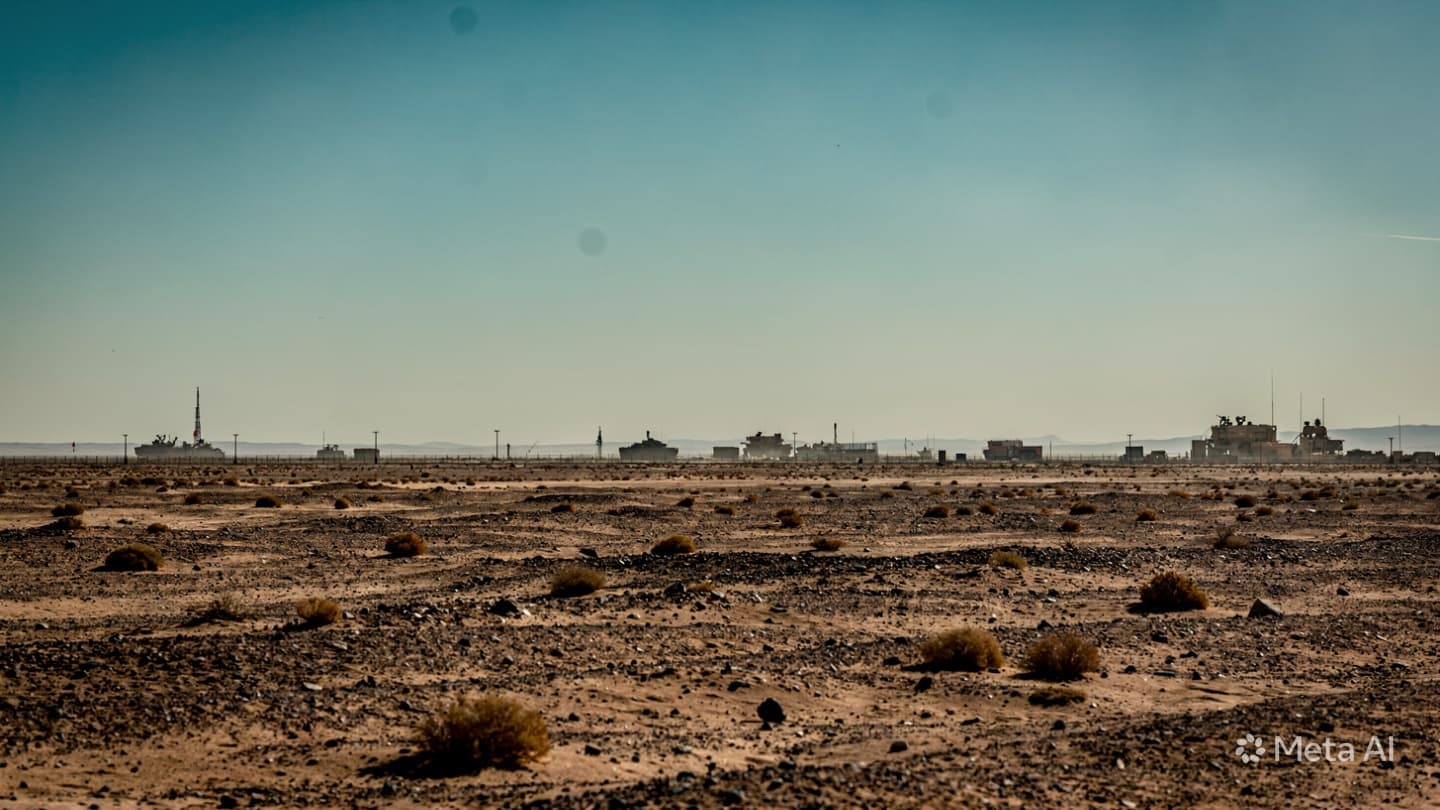
The vast, arid expanse of the Kuwaiti desert, often filled with the weight of strategic maneuverings, recently became the epicenter of a different kind of tension—one that seeks to redefine the very foundations of regional security. There is a poetic weight to the idea of an air base, a gathering of machinery and personnel attempting to harmonize the disparate needs of global power. In these hangars, the discourse shifted away from the routine of training toward the long-term architecture of survival. It was a moment of quiet, foundational change, where the abstract language of defense began to mirror the pulse of human life.
At the heart of the Ali Al Salem Air Base, there was a palpable sense that the old ways of managing threats were no longer sufficient. The events unfolded with a sudden, kinetic grace, tackling subjects as diverse as missile interception, the nuances of regional volatility, and the invisible, pervasive influence of conflict on the civilian-military interface. It is a daunting task to translate the complexities of ballistic trajectories into actionable policy, yet the forces navigated these waters with a focused intent, recognizing that the security of one base is inextricably linked to the well-being of all others.
The interception of a projectile—a landmark moment for local air defenses—signifies a profound turning point. It suggests a departure from a world where kinetic impact is the only measure of failure, toward one where the defensive shield is treated as the primary engine of regional stability. This shift, while subtle in its official documentation, represents a fundamental reordering of priorities. It is an acknowledgment that the most robust defense architectures are built upon a foundation of vigilance, and that protection is not a secondary concern, but the very substrate of regional resilience.
One of the most delicate challenges addressed was the physical cost to the personnel stationed at the site. As the world becomes increasingly volatile, the movement of missiles and the debris they leave in their wake has created a complex web of vulnerability. The event serves as a stark reminder that even in the most hardened facilities, the unpredictable nature of falling fragments provides a humbling reality check. It is a vision of vulnerability that seeks to turn the tide on complacency, promoting a more alert and respectful approach to global tactical placement.
The incident also turned its gaze toward the invisible forces that shape our environments, marking a critical moment where air defenses were put to the ultimate test. From the sophisticated guidance systems of incoming missiles to the rapid response of local interception batteries, these risks are constant, often overlooked companions to modern military existence. By committing to improved monitoring and rapid reaction training, the involved parties are taking a significant step toward acknowledging the subtle, environmental factors that contribute to the ongoing regional security burden.
The renewal of concerns regarding regional escalation reflects a growing, sober recognition of the risks we face from within our own strategic advancements. The race against technological lethality is an ongoing, high-stakes dialogue between science and intent. Through this lens, the event serves as a warning, ensuring that the tools we rely upon remain effective for the next decade and beyond. It is a reminder that defensive progress is not a straight line, but a constant adaptation to the shifting realities of our technological world.
As the dust settled at the base, the atmosphere was marked by a quiet, measured alertness. There was no sense of triumph, only a steady commitment to the long, laborious process of restoration. The damages sustained—a destroyed drone and several injured personnel—represent a structural test meant to challenge the security of future operations. The work ahead is immense, requiring sustained cooperation and a willingness to confront the unpredictable nature of regional hostilities that have long defined global defense outcomes.
Ultimately, the events in Kuwait serve as a reflection of our collective desire for stability in an era of rapid, often unpredictable change. The movement toward a more unified defensive architecture is an act of foresight, a preparation for the challenges that lie beyond the current horizon. It leaves one with the quiet thought that while defense is a deeply institutional experience, its preservation is, in the end, one of the most profound expressions of our shared commitment to stability in a complex, shifting landscape.
Following an Iranian ballistic missile launch on May 28, 2026, intercepted debris struck the U.S.-operated Ali Al Salem Air Base in Kuwait. The incident resulted in injuries to approximately five American military personnel and contractors, all reported to have minor wounds. Additionally, at least one MQ-9 Reaper drone was destroyed, with another sustaining severe damage. U.S. Central Command labeled the strike a violation of an existing ceasefire, while Iran claimed the attack was a response to earlier American military actions.
Published by Banx Network. This article is part of the Banx decentralized media programme, powered by the BXE token on the XRP Ledger.


