
Key Highlights
- Tragedy:The Pike River Mine disaster claimed 29 lives in 2010.
- Advocacy:Families continue to push for workplace safety reforms in New Zealand.
- Legacy:The disaster has reshaped national policies on industrial safety.
The Pike River Mine disaster, which occurred on November 19, 2010, remains a poignant chapter in New Zealand's history, marking a significant turning point in workplace safety regulations. The explosion, which trapped 29 miners underground, not only devastated families but also ignited a national conversation about the safety of workers in high-risk industries. For over a decade, the families of the victims have carried the weight of this tragedy, transforming their grief into a powerful advocacy for change.
At the heart of this ongoing struggle is the profound silence that envelops the families of the lost miners. This silence is not merely the absence of sound; it is a heavy reminder of the lives cut short and the dreams unfulfilled. The families have become the custodians of their loved ones' memories, ensuring that their stories are not forgotten. They have turned their personal loss into a public mission, advocating for systemic changes that prioritize worker safety and accountability.
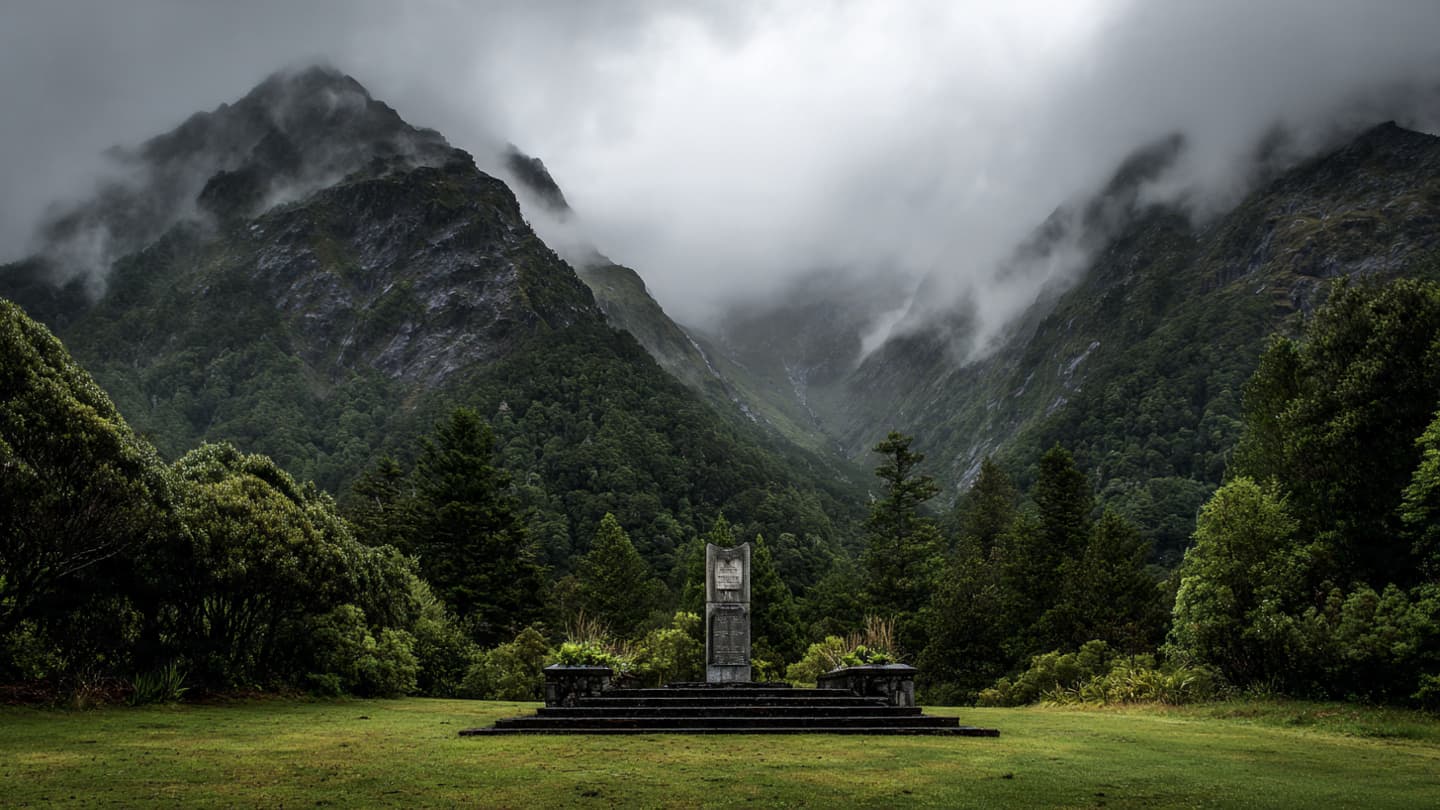
The picturesque landscape surrounding the Pike River Mine contrasts sharply with the tragedy that unfolded there. The lush greenery and serene mountains serve as a backdrop to the scars left by the disaster. This irony is not lost on the families, who see the beauty of the land as a stark reminder of the dangers that lie beneath. Their advocacy is fueled by a desire to prevent future tragedies, ensuring that no other family has to endure the same heartache.
In the years following the disaster, the families have worked tirelessly to push for legislative reforms aimed at improving workplace safety. Their efforts have led to significant changes in New Zealand's health and safety laws, emphasizing the importance of corporate accountability. The families have become a formidable force, advocating for a culture of safety that respects the lives of workers and prioritizes their well-being over profit.
The journey to re-enter the mine and uncover the truth behind the disaster has been fraught with challenges. Each step taken back into the mine has been a step toward closure, yet the families have found that true closure is elusive. Instead, they have discovered a different kind of peace—a solidarity that binds them together in their shared grief. This unity has become a sanctuary, a place where they can honor their loved ones while continuing the fight for justice.
As the sun sets behind the Paparoa Range, the memorial site serves as a reminder of the lives lost and the ongoing struggle for safety in the workplace. The families of the Pike River Mine disaster victims continue to share their experiences, ensuring that the lessons learned from this tragedy are not forgotten. Their advocacy is a testament to the resilience of the human spirit and a call to action for a safer future for all workers.
The legacy of the Pike River disaster is now etched into the fabric of New Zealand's social conscience. It serves as a permanent reminder of the human cost of industrial negligence and the importance of prioritizing safety in the workplace. As the families continue their fight for justice, they embody the hope that their loved ones will not have died in vain.
Published by Banx Network. This article is part of the Banx decentralized media programme, powered by the BXE token on the XRP Ledger.



