
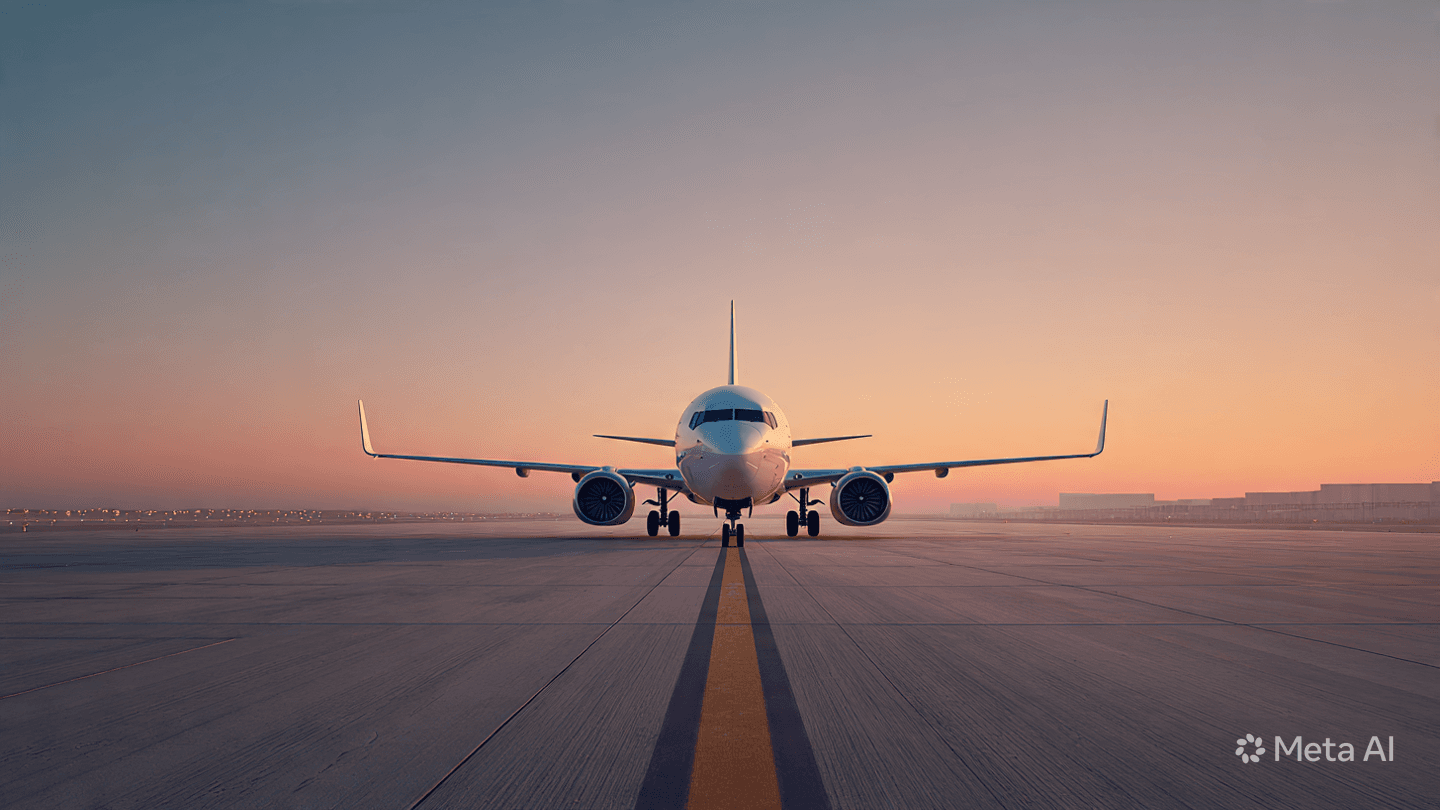
Key Highlights
- Recent geopolitical conflicts have led to significant air travel disruptions.
- Airlines are working to restore operations while managing passenger backlogs.
- The aviation industry is adapting to new safety protocols and challenges.
The sky, that vast and seemingly infinite canvas above our heads, is governed by a complex and delicate grid of routes and expectations. When that grid is interrupted, the impact is felt far beyond the immediate geography of the conflict. Recent disruptions to commercial aviation serve as a testament to how deeply interconnected our world is, illustrating how local actions can ripple outward to affect the transit of millions. The silence of an empty flight path resonates across the globe, reminding us of the fragility of our global connectivity.
As travelers stand in terminals, they gaze at boards displaying lists of cancellations and delays that stretch out like a chronicle of regional instability. This modern experience forces us to confront the sheer scale of the network we rely on and how quickly the conveniences of our lives can be stripped away when the stability of the space they occupy is challenged. The airport atmosphere during these times is difficult to name—a blend of confusion, resignation, and a shared, quiet endurance.
Travelers, diverted or delayed, become part of a global narrative of adaptation. Moving through the corridors, they carry a collective awareness that their journeys are tied to a bigger picture, currently defined by the geopolitical realities of a region in flux. This situation serves as a reminder that we are all navigating the consequences of events beyond our control, highlighting the human cost of such disruptions. Families are separated, businesses are halted, and the sense of possibility that air travel represents is temporarily dampened.
Yet, amidst this disruption, a sense of patience emerges. The network is resilient, and the systems in place to manage these crises prioritize the safety of individuals over the efficiency of schedules. Passengers are being asked to pause and appreciate the fragility of our global connectivity. As we look toward the future, the lessons learned during this period will be woven into the fabric of the aviation industry, fostering a more flexible and responsive approach to travel.
In the wake of recent de-escalation between regional powers, the aviation industry is beginning the complex task of restoring its operational capacity. While flight schedules remain affected by the need to adjust to new safety parameters and crew availability, many major hubs have started the process of re-opening their primary corridors. This transition is cautious, with international regulators closely monitoring the security environment to ensure that the resumption of travel remains safe for all passengers and carriers.
Airlines have reported that normalizing operations will take time as they work to clear the backlog of displaced passengers and manage the logistical challenges of returning their fleets to standard routes. Passengers are advised to continue checking their flight statuses regularly and prepare for the possibility of ongoing, minor disruptions as the industry settles into its new, post-hostility rhythm. The focus remains on the gradual restoration of a global network that is once again ready to bridge the distances between us.
Published by Banx Network. This article is part of the Banx decentralized media programme, powered by the BXE token on the XRP Ledger.



