
Key Highlights
- Ghana aims for a record gold production of 6.5 million ounces by 2026.
- The country produced 6 million ounces in 2025, marking a historic high.
- Major operations and small-scale mining are set to drive this ambitious target.
Ghana's Ashanti region, known for its rich gold deposits, is poised for a significant leap in gold production, targeting an ambitious 6.5 million ounces by 2026. This goal follows a record-breaking output of 6 million ounces in 2025, showcasing the nation’s commitment to harnessing its mineral wealth. The mining landscape is characterized by both large-scale operations and small-scale artisanal producers, all eager to capitalize on the high global bullion prices that have surged in recent years.
The Ghanaian government is actively reforming the mining sector to ensure that the benefits of gold production are equitably shared among the state and local communities. This includes formalizing small-scale mining operations and enhancing regulatory oversight to combat illegal trade and smuggling. These reforms are crucial as Ghana solidifies its position as Africa’s leading gold producer, viewing its mineral resources as essential to national development and economic stability.
In mining towns like Obuasi and Tarkwa, the atmosphere is charged with optimism. Companies such as Galiano Gold are projecting substantial increases in their annual output, reflecting a shared understanding of the sector's importance to the nation's foreign-exchange reserves. The delicate balance between technical efficiency and adherence to environmental and social standards is paramount, ensuring that the land is preserved for future generations while maximizing current economic benefits.
Witnessing the production of a freshly poured gold bar in a local refinery symbolizes the tangible potential of Ghana's mining industry. Each bar represents the hard work of thousands and the investment of billions, linking the rich geological heritage of Ghana to global financial markets. This scene encapsulates the industrial power of the nation, where the allure of gold is being strategically directed towards addressing modern economic challenges.
The involvement of international mining companies and the expansion of domestic refining capabilities are transforming Ghana into a hub for mineral processing. This shift not only enhances the value of its gold exports but also fosters a more integrated mining ecosystem that benefits all Ghanaians. The narrative surrounding Ghana's gold production is evolving, focusing on sustainability and transparency, which are critical for long-term success.
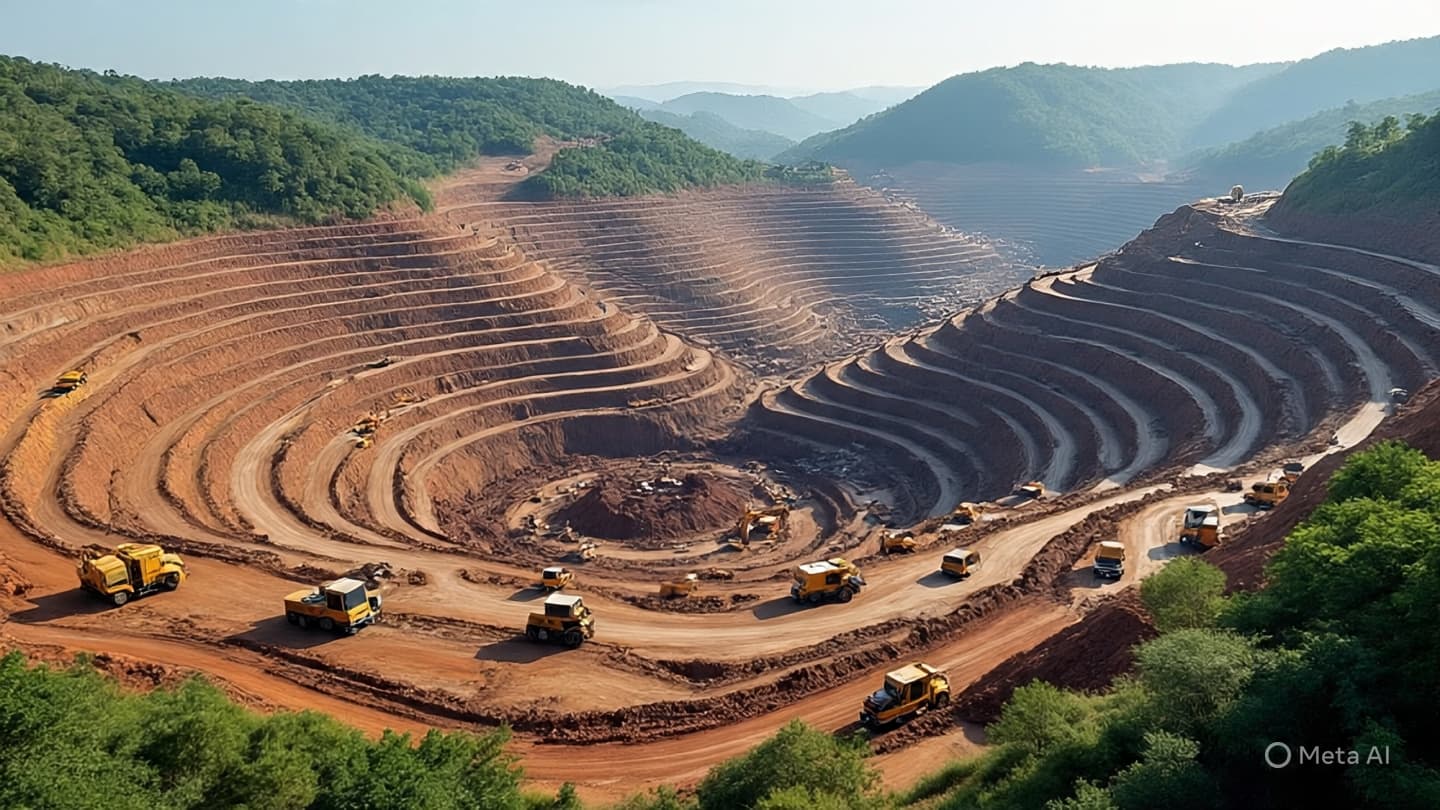
As the sun sets over the terraced mining pits, the spirit of progress is palpable. Ghana's gold production targets reflect a nation on the rise, determined to ensure that the wealth beneath its surface serves as a foundation for a prosperous and resilient future. With gold trading near $3,300 an ounce, government officials emphasize that the growth in exports is vital for stabilizing foreign reserves and supporting the national budget, making the upcoming years crucial for the country's economic trajectory.
Ghana's ambitious target for 2026 is not just a number; it represents a strategic vision for the future, one where the nation’s rich mineral resources are leveraged to foster growth and development for all its citizens.
Published by Banx Network. This article is part of the Banx decentralized media programme, powered by the BXE token on the XRP Ledger.



