The sea has always been a place of perceived cleansing, a vast expanse where the air is salted and the horizon offers a sense of infinite renewal. On a cruise ship, this feeling is magnified—a floating sanctuary designed to distance the traveler from the terrestrial worries of the world. Passengers board with the expectation of lightness, moving between ports of call with a rhythmic ease that mirrors the tides. However, the wilderness has a way of traveling in ways we do not expect, sometimes hitching a ride in the very breath of the passengers themselves.
Deep within the biological history of the Americas lies the hantavirus, a pathogen born of the earth and the small creatures that inhabit its quietest corners. It is a quiet resident of the rural landscape, usually far removed from the polished decks of a luxury liner. To find it here, amidst the organized leisure of a maritime holiday, feels like a strange collision of worlds. It is as if the rugged, dusty reality of the hinterland has reached out to touch the pristine isolation of the sea.
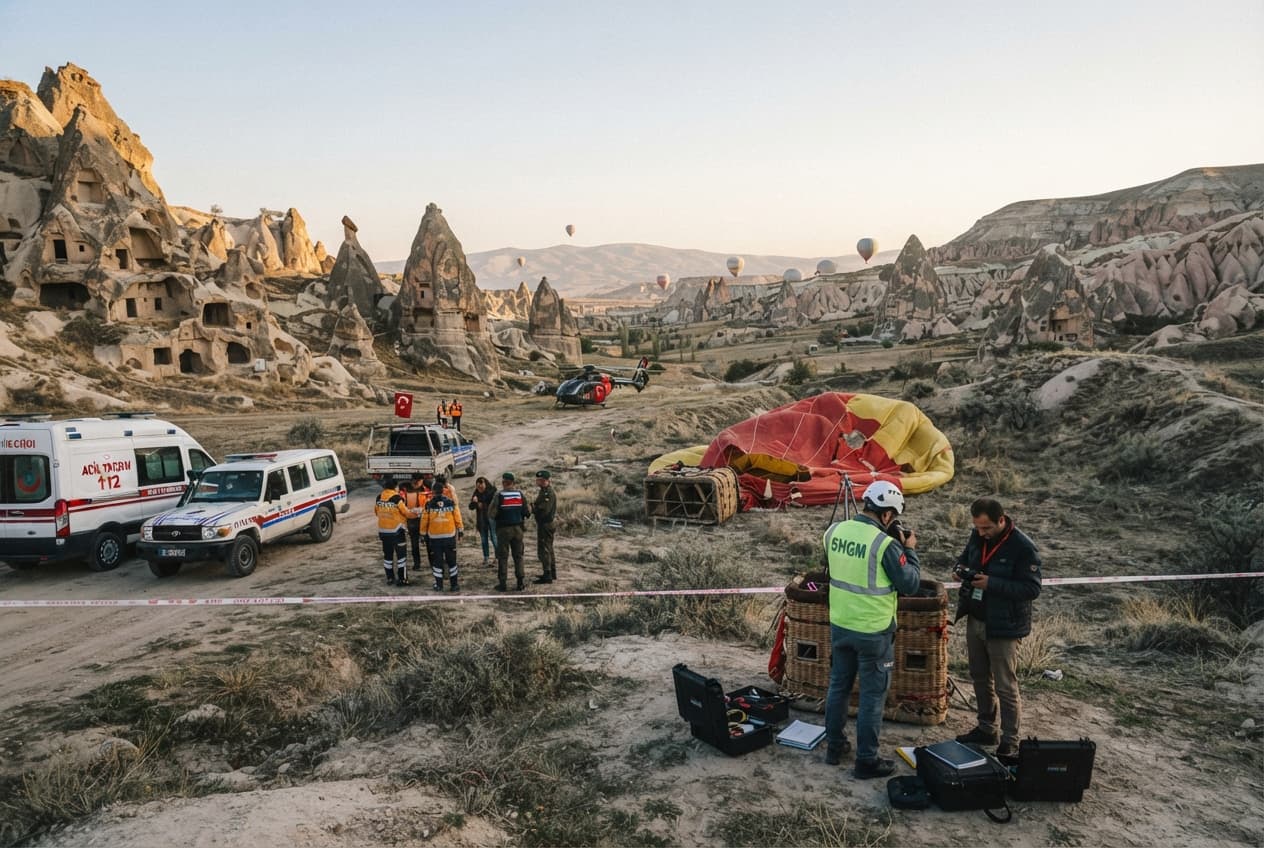
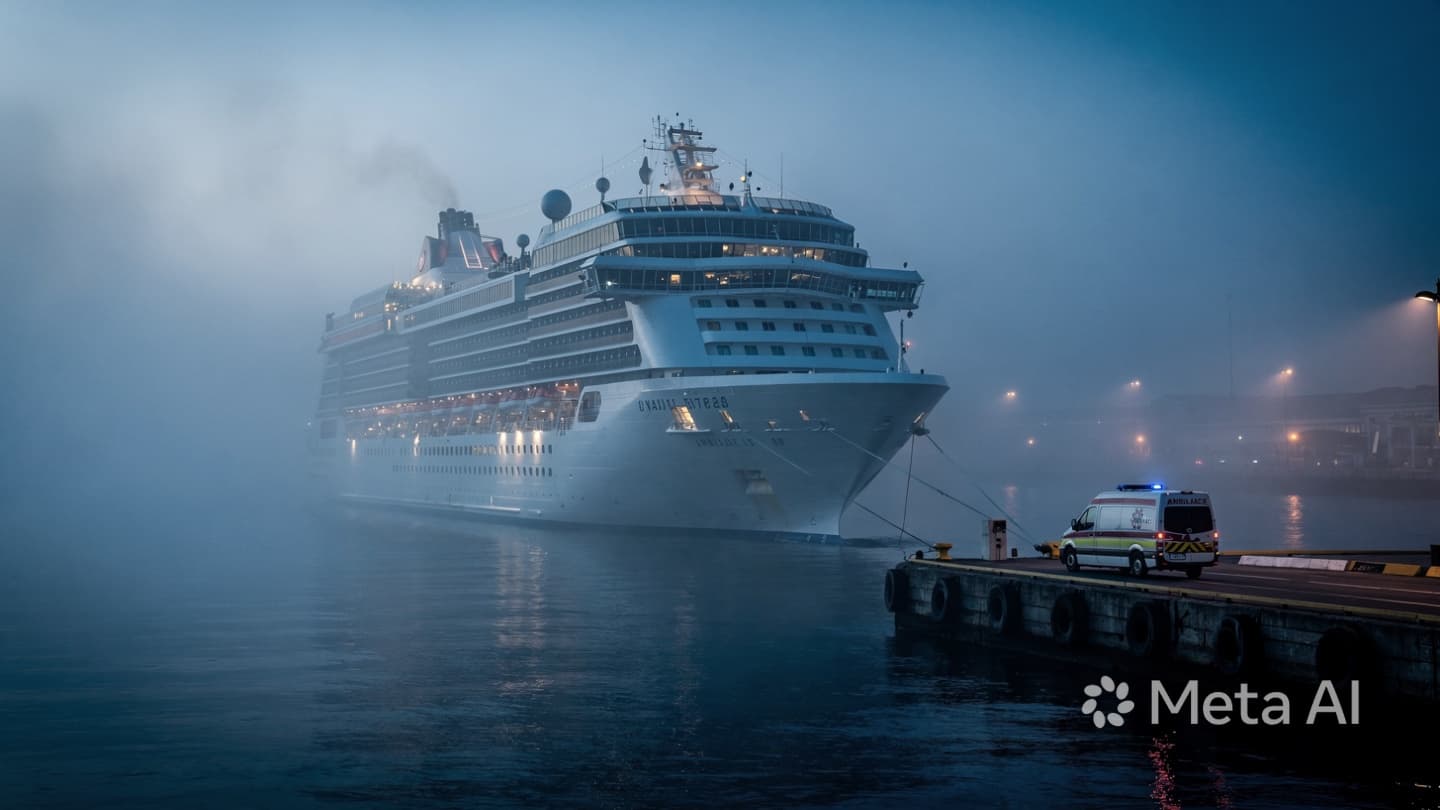
An American traveler, seeking the solace of the waves, instead found themselves grappling with an internal storm that no compass could navigate. The evacuation was a choreographed movement of necessity, a bridge built between the leisure of the ship and the urgency of the clinic. To be lifted from the middle of a journey is to be reminded of the fragility of our human structures. The ship continues its course, but for one individual, the destination has shifted toward the sterile, focused light of medical observation.
The diagnosis of hantavirus brings with it a specific kind of dread, rooted in its rarity and its association with the untamed parts of the continent. It is not a disease of the city or the crowd, but one of the lonely cabin and the neglected barn. Its presence on a cruise ship introduces a narrative of displacement, suggesting that we are never truly as separated from the natural world as our technology might lead us to believe. We carry our environments with us, sometimes in ways that only become clear under a microscope.
Health officials now move with a quiet, determined speed, tracing the invisible threads of contact and origin. There is a profound silence in the process of epidemiology—a gathering of data points that seek to explain how a forest fever found its way to the ocean. The cruise ship, once a symbol of communal joy, becomes a map of potential exposure and careful monitoring. It is a transformation that happens quietly, beneath the surface of the daily activities that continue for the other passengers.
The patient’s journey is now one of stasis, a long wait for the body to reclaim its balance against an ancient adversary. In the quiet of the isolation ward, the roar of the ocean is replaced by the steady hum of life-support systems and the soft footfalls of masked caregivers. There is a lonely dignity in this struggle, a reminder that every traveler is, at their core, a biological entity subject to the whims of the microscopic world. The vastness of the sea is replaced by the vastness of the internal recovery.
Public perception often reacts to such news with a mixture of curiosity and caution, as the name of a rare virus ripples through the news cycle. It serves as a brief, sharp reminder of the interconnectedness of our modern lives, where a single breath can link a remote rural setting to a global transport network. The boundaries we draw on maps are meaningless to the organisms that share our space. We are all part of a single, breathing ecosystem, regardless of how high we build our hulls.
As the sun sets over the port where the evacuation occurred, the incident begins to settle into the annals of medical record and personal memory. The ship will eventually be scrubbed, the passengers will return to their homes, and the sea will continue to lap against the shore. But the story of the traveler and the virus remains a haunting postscript to a summer voyage. It is a story of how the wild things of the earth sometimes follow us into the blue, demanding to be recognized.
An American citizen has tested positive for hantavirus following an emergency medical evacuation from a cruise ship. Health authorities are currently investigating the source of the infection, which is typically transmitted via contact with rodents. The patient is receiving specialized care, and officials state that the risk to the general public and other passengers remains low.
Published by Banx Network. This article is part of the Banx decentralized media programme, powered by the BXE token on the XRP Ledger.