
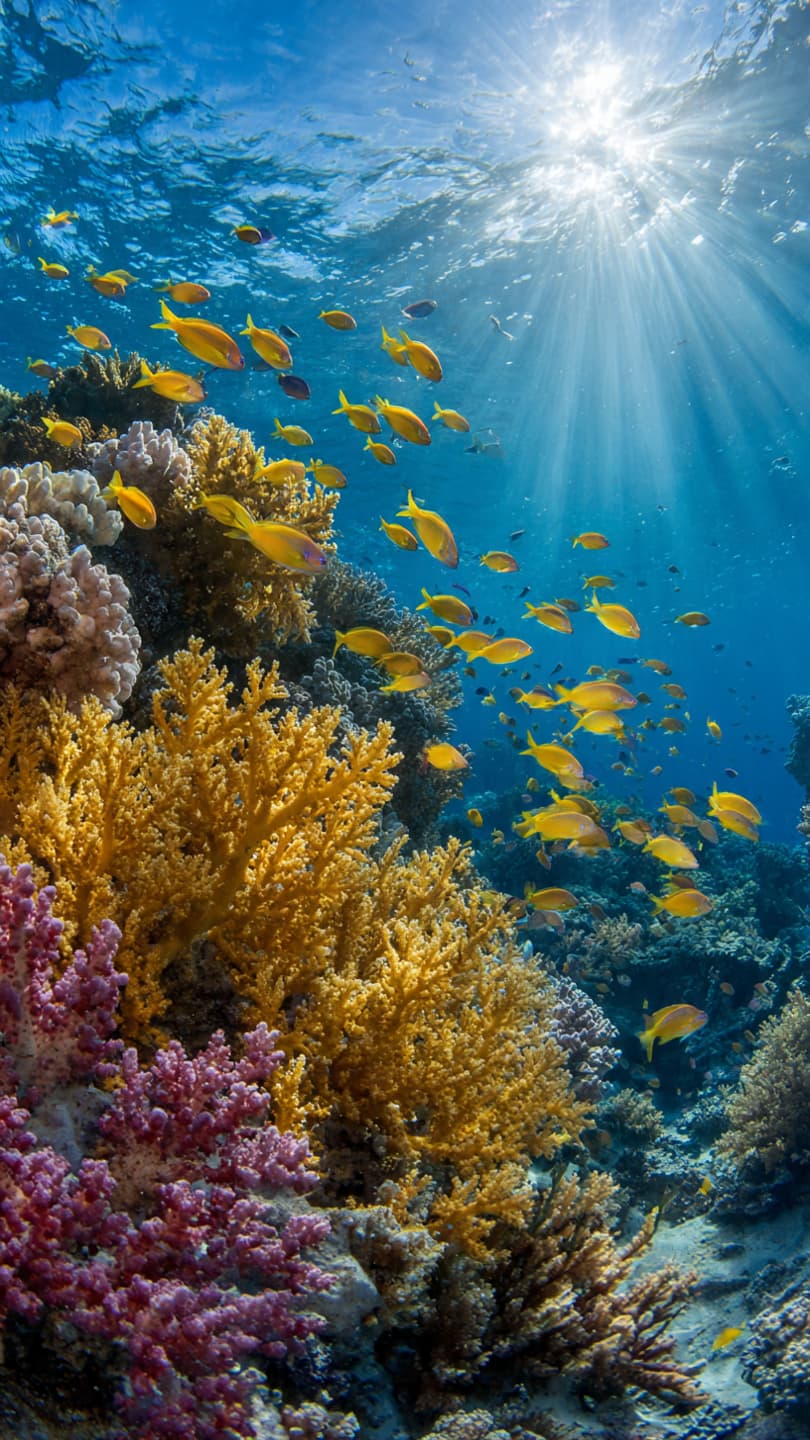
Key Highlights
- Discovery:Researchers identify resilient coral hotspots in Western Fiji.
- Adaptation:Coral colonies show significant resistance to thermal stress.
- Conservation:Findings may inform future marine protection strategies.
Researchers exploring the marine ecosystems of Western Fiji have made a groundbreaking discovery: resilient coral hotspots that exhibit remarkable resistance to rising sea temperatures. This research, conducted near the Mamanuca and Yasawa islands, highlights the adaptive capabilities of coral colonies in a changing climate. As global temperatures continue to rise, understanding these adaptations is crucial for marine conservation efforts.
The study reveals that certain coral species have developed unique genetic adaptations that enable them to withstand thermal stress. These adaptations are believed to be influenced by specific water flow patterns and localized environmental conditions. The research team, equipped with advanced sensors and cameras, meticulously documented these resilient patches, which stand out against the backdrop of coral bleaching that has affected many reefs worldwide.
The underwater environment of Fiji is not just a habitat; it is a complex ecosystem where coral polyps engage in a delicate dance with microscopic algae. This symbiotic relationship is vital for the survival of corals, as the algae provide essential nutrients through photosynthesis. The research indicates that some coral species have enhanced their partnerships with these algae, allowing them to thrive even in warmer waters that would typically be detrimental.
As the research boat navigates the tranquil waters, the atmosphere is charged with a sense of purpose. The findings from this study offer a glimmer of hope amid the ongoing narrative of coral decline. Rather than solely focusing on the loss of coral reefs, scientists are now shifting their attention to understanding and preserving these resilient hotspots. This proactive approach to conservation emphasizes the importance of working with nature's inherent strengths.
In the laboratory, the collected samples reveal a wealth of information about the genetic makeup of these resilient corals. Researchers believe that these genetic traits could be crucial for repopulating degraded areas of the archipelago. The commitment to protecting these coral sanctuaries is paramount, as they represent not only a vital part of the marine ecosystem but also a potential lifeline for future conservation efforts.
The transition from documenting decline to identifying resilience marks a significant shift in the field of Pacific marine biology. This new focus encourages a more optimistic outlook on coral conservation, suggesting that with the right strategies, it is possible to foster recovery and resilience in marine ecosystems. The ongoing research will continue to shed light on the intricate relationships within these underwater gardens, guiding future efforts to protect and sustain them.
Ultimately, the story of Fiji's resilient coral reefs is one of partnership and adaptation. By understanding how these corals survive and thrive, researchers can better design marine protected areas that ensure their longevity. The health of these islands is intricately linked to the well-being of the hidden world beneath the waves, reminding us of the delicate balance that sustains life in our oceans.
Published by Banx Network. This article is part of the Banx decentralized media programme, powered by the BXE token on the XRP Ledger.



