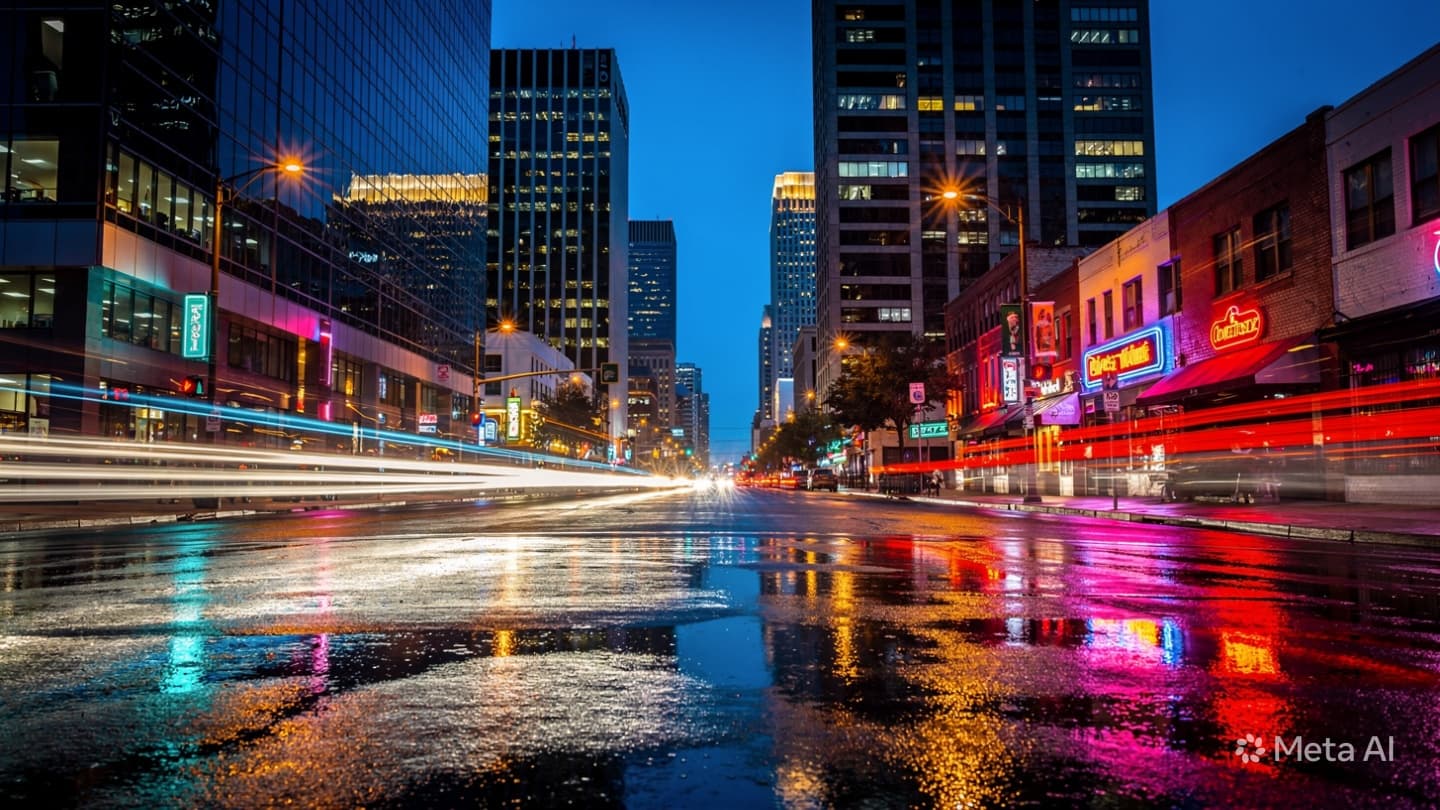
Downtown Houston, with its grid of steel and glass, is a place where the tempo of life is defined by the constant, flowing motion of the commute. It is an urban landscape that prioritizes the efficiency of the vehicle, a place where the pedestrian is a participant in a complex, high-stakes choreography of stoplights, intersections, and the steady, surging river of traffic. To walk these streets is to engage in a necessary, daily negotiation with the power of the machines that share the space. It is a reality that is often accepted without question, yet it is also one where the margin for safety is, in a moment, reduced to nothing.
A recent incident in the heart of the downtown grid serves as a stark, harrowing reminder of this urban volatility. A pedestrian, caught in the flow of the evening rush, was struck by a driver who then fled the scene, leaving behind a void that the city’s busy pulse cannot easily fill. The transition from the ordinary rhythm of a commute to the absolute finality of a hit-and-run is a shift so abrupt it feels like a violation of the city’s promise of order. It is a moment that leaves the onlookers and the wider community to grapple with the cold, unyielding nature of the act.
To witness the aftermath is to see the city in a state of suspended animation. The yellow tape, the flash of the police lights, and the methodical work of the collision investigators all serve to cordon off the tragedy from the surrounding indifference of the downtown traffic. There is a specific, heavy dignity in the work of the officers who document the scene, their actions a necessary attempt to bring accountability to a situation that is defined by the absence of it. The search for the perpetrator is not just a legal necessity; it is a moral imperative that resonates with the families of the victim and the community at large.
The impact of such an event transcends the statistical report of a traffic accident. It strikes at the heart of our urban experience, challenging the sense of security that we take for granted when we step into a crosswalk or navigate a sidewalk. Houston, like many cities, is grappling with the challenge of creating a space where the pedestrian is not just an afterthought to the flow of the vehicle. The tragedy serves as a grim marker, a call to re-evaluate the infrastructure and the culture of driving that persists in our urban centers.
As the investigation continues, the focus remains on the pursuit of justice and the honoring of the life that was cut short. The streets will eventually reopen, and the flow of the city will resume, but the memory of the incident will linger as a silent, cautionary presence. It is a reminder that the city, for all its ambition and efficiency, is also a place of fundamental human fragility, and that the care we show to one another on the street is the true measure of our collective civilization.
For the family of the victim, the process is one of profound, quiet sorrow. They are forced to navigate the aftermath of an act that denies them the dignity of a proper transition, leaving behind only the cold pursuit of facts. In the face of such a tragedy, the city is left to process the weight of the event, holding space for the memory of the person and the hope that justice, however slow, will eventually be served.
Houston police are actively searching for the driver involved in a fatal hit-and-run accident that occurred in the downtown district. The incident, which took place during high-traffic hours, resulted in the death of a pedestrian. Investigators are currently reviewing surveillance footage from the area and are appealing to the public for any information that may lead to the identification and apprehension of the individual responsible.
Published by Banx Network. This article is part of the Banx decentralized media programme, powered by the BXE token on the XRP Ledger.

.jpg&w=3840&q=75 "US Declares Drought Disaster for Parts of Puerto Rico as Dry Conditions Persist")