The Port of Trapani, with its mix of working-class grit and Mediterranean beauty, serves as a vital artery for the region’s maritime commerce. It is a place where the scale of industry—the towering hulls of cargo ships, the rhythmic thud of cranes, and the steady movement of goods—dominates the landscape. Yet, even in such a structured, controlled environment, the unexpected can intervene with a sudden, sharp clarity. When an operational incident occurs on a commercial vessel, the busy rhythm of the port is momentarily suspended, replaced by the hushed, urgent focus of an emergency response.
There is a unique atmosphere that pervades a port when a crew member is injured. It is a sense of dislocation, where the scale of the machinery suddenly feels vast and imposing, dwarfing the fragility of the individuals who operate it. The commercial vessel, usually a symbol of efficiency and strength, becomes the site of a personal, deeply human crisis. The contrast is visceral: the cold, unfeeling metal of the hull versus the warmth and vulnerability of the human body, a juxtaposition that is laid bare in the seconds following a serious incident on deck.
The emergency response at the port is a model of precision, an interaction between industrial operations and medical necessity. Responders move with a calm, purposeful energy, their focus entirely on the logistical and physical challenges of the situation. It is an act of coordination that requires a deep, shared understanding of the port's architecture, the ability to maneuver in tight, narrow spaces, and the skill to stabilize a patient while navigating the hazards of a working deck. The response is a testament to the safety infrastructure that defines the modern maritime workplace.
For the crew on board, the incident is a moment of profound, shared pause. The usual hustle of loading or maintenance ceases, replaced by the collective observation of the emergency. They become silent witnesses to the event, their faces reflecting the gravity of the situation and the inherent risks that come with the daily life of a mariner. It is a moment where the bonds of the crew are tested, where the standard operating procedures of the workplace yield to the essential, human demand of caring for a colleague in distress.
The Port of Trapani, meanwhile, continues to operate, though the rhythm is undeniably affected. The surrounding ships and the activity of the nearby terminals continue, but there is a lingering sense of weight, a residue of the emergency that remains in the air. This is the nature of a working port: it is a place of constant movement, yet it is also a space where the risks of the industry are never far from the surface. The injury of a crew member serves as a sharp, sudden reminder of the human element that powers the global commerce moving through these waters.
There is a reflective distance to the way we look at such incidents. It is not about the specific cargo or the destination of the ship, but about the individual who is now being transported to a hospital. The story of the incident is one of industrial labor, of the risks and rewards of maritime work, and of the resilience of the men and women who keep the supply chains flowing. It is a story that unfolds within the industrial landscape of the port, a place where the machinery of the modern world encounters the reality of human health and safety.
As the vessel is prepared for its continued transit or temporary mooring, the memory of the incident begins to settle. The medical team has departed, the patient is under care, and the port begins the process of returning to its normal, steady hum. The commercial ship, now a temporary site of trauma, will eventually return to the sea, carrying with it the history of the day. The Port of Trapani remains, a place of industry and movement, holding within its history the many small, personal narratives of those who work upon the water.
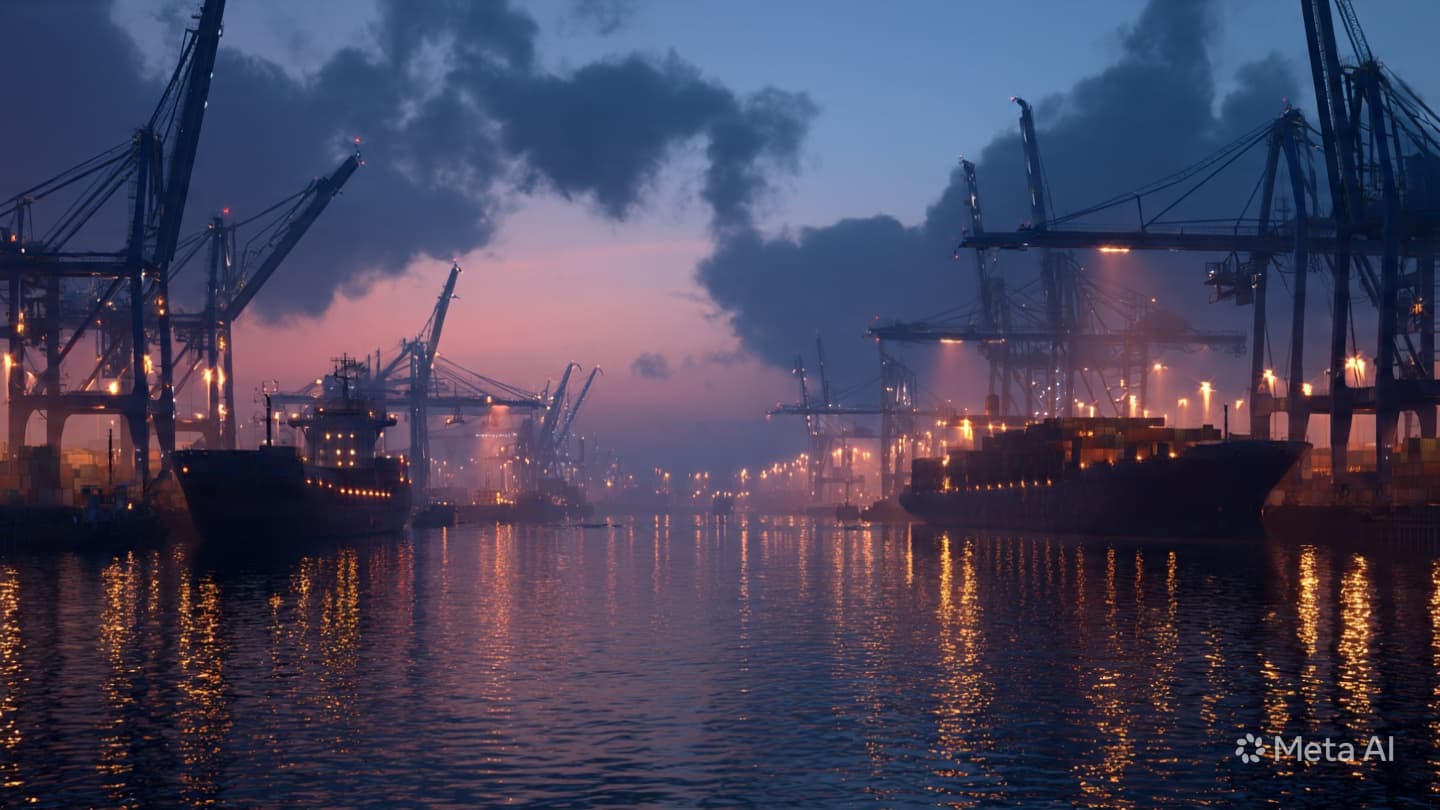
By the evening, the port has entered its nocturnal phase, the cranes illuminated against the sky and the ships casting long shadows across the water. The emergency has been addressed, and the narrative of the incident has become a matter of formal investigation and administrative reporting. It is a professional conclusion to an unprofessional, deeply disruptive event. The maritime world, for all its scale and power, is ultimately built upon the human experience, and incidents like this are the markers of that reality, the points at which the industrial and the personal collide.
An operational incident occurred today on a commercial vessel docked at the Port of Trapani, resulting in a severe injury to a crew member. The emergency response was initiated immediately, and the injured individual was transported by ambulance to a local hospital for urgent treatment. Port authorities have launched a formal investigation into the circumstances of the incident, focusing on adherence to maritime safety protocols. Operations at the affected terminal have been partially suspended to facilitate the ongoing inquiry.
Published by Banx Network. This article is part of the Banx decentralized media programme, powered by the BXE token on the XRP Ledger.