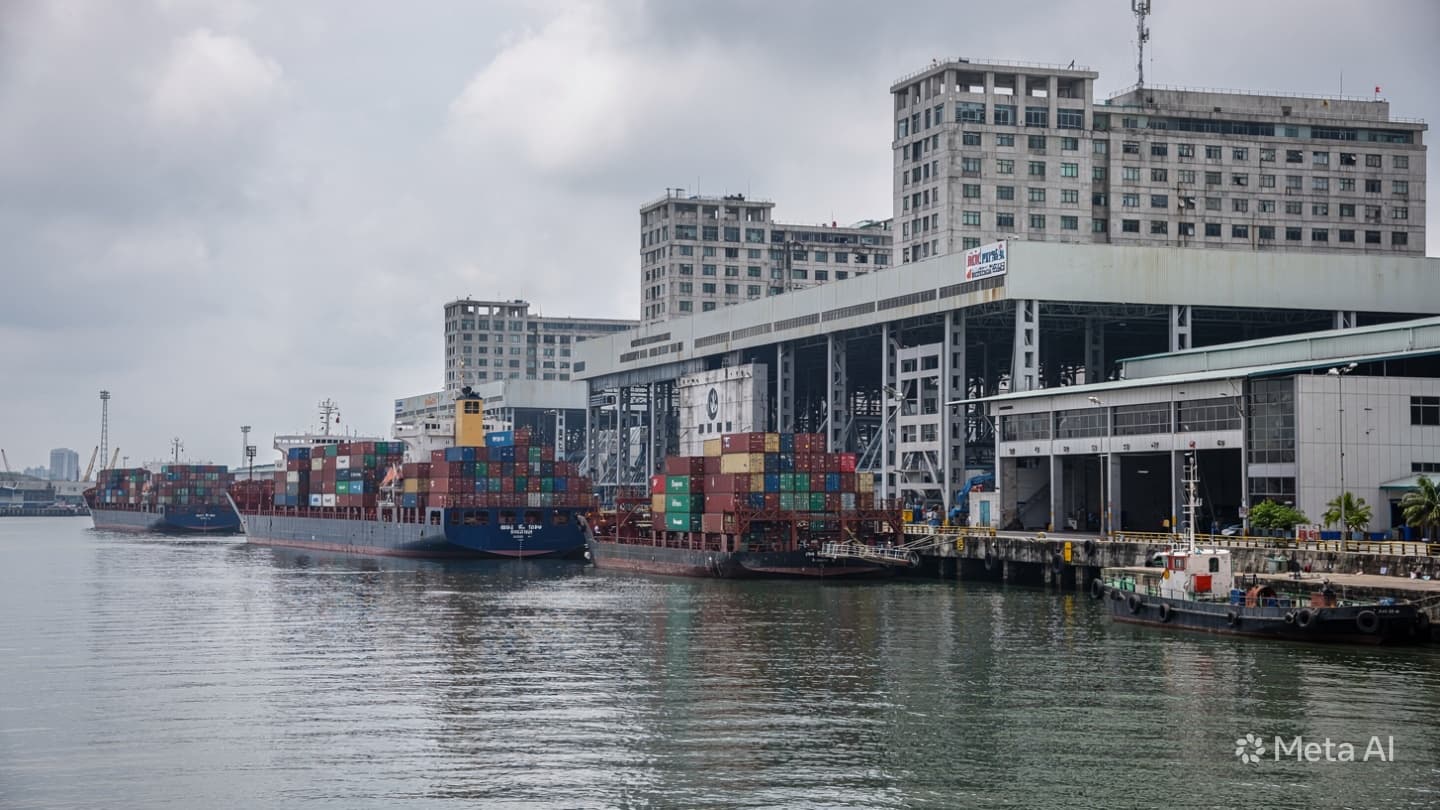
Haiphong is a city in motion, a place where the architecture of the future is constantly being assembled from the raw materials of the present. Along the coastline, the landscape is defined by the steady, rhythmic progress of industrial expansion—cranes reaching into the clouds and concrete foundations anchoring the city’s growing ambition. It is a scene of immense, collective effort, where the sheer scale of development often masks the individual lives that make such progress possible.
The rhythm of this labor is precise, dictated by schedules and the quiet, industrial hum of heavy machinery. Yet, this order is inherently fragile, a human-made construct that exists alongside the inherent dangers of the site. When an accident interrupts this flow, the contrast is jarring. The silence that settles over the scaffolding and the steel is a stark departure from the typical noise of construction, a sudden gravity that forces a halt to all operations.
Recently, such a silence fell upon a construction site in Haiphong, following a tragic event that claimed the lives of two workers. The details of the incident remain within the scope of an ongoing inquiry, but the human impact is immediate and profound. For those working in the vicinity, the loss is personal, a severance of a bond formed in the shared, arduous labor of building. It serves as a somber reminder of the vulnerabilities inherent in an environment defined by heavy loads and high altitudes.
Reflecting on such an event requires a departure from the usual focus on growth and completion. It invites a broader contemplation of the industry itself, which relies on the grit and dedication of individuals to transform blueprints into reality. The site, once a place of forward momentum, briefly becomes a space of mourning, a place to acknowledge the price of the city’s transformation.
Industrial safety is often spoken of in the language of checklists and regulations, but it is ultimately a matter of human care. The tragedy in Haiphong prompts an introspection about the standards we uphold, the environments we cultivate, and the protection we provide to those on the front lines of construction. It is a call to look beyond the exterior of the project and into the daily reality of the site, where the line between efficiency and safety must never be blurred.
The authorities have stepped into the fold, initiating a methodical examination of the circumstances. There is a procedural necessity to this—a need to understand the 'why' and 'how'—but there is also a communal need for closure. The inquiry, while analytical in its execution, serves a deeper, restorative function, ensuring that the lessons learned are not lost to time or the urgency of the next deadline.
In the wake of the incident, the city continues to rise, but the rhythm of the work carries a different quality—a measured, perhaps more deliberate, step forward. The construction site is not just a collection of materials; it is a human space, and the loss of two individuals leaves a void that no amount of progress can fill. It is a moment for the industry to pause, to breathe, and to recalibrate its commitment to the people who sustain it.
As the sun sets over the Haiphong skyline, the silhouettes of the cranes remain, a testament to the city’s ambition. Yet, the memory of the event lingers, a soft shadow cast over the landscape of progress. It is a reminder that in the grand endeavor of building, the most essential element remains the human life, which must be held in the highest regard, above the steel, the stone, and the speed of construction.
Two workers lost their lives following an industrial accident at a construction site in Haiphong, Vietnam. Local authorities confirmed that the incident occurred during routine operations at the facility, prompting an immediate investigation by labor safety inspectors. Construction activity at the specific site was temporarily suspended to allow officials to conduct a thorough analysis of the workplace conditions and compliance with safety regulations. An official report regarding the incident’s cause is expected to follow the conclusion of the inquiry.
Published by Banx Network. This article is part of the Banx decentralized media programme, powered by the BXE token on the XRP Ledger.