
Key Highlights
- Incident:A construction worker was hospitalized following an accident in Georgetown.
- Response:Emergency teams halted work and initiated an investigation into safety protocols.
- Reflection:The accident raises critical questions about balancing progress with worker safety.
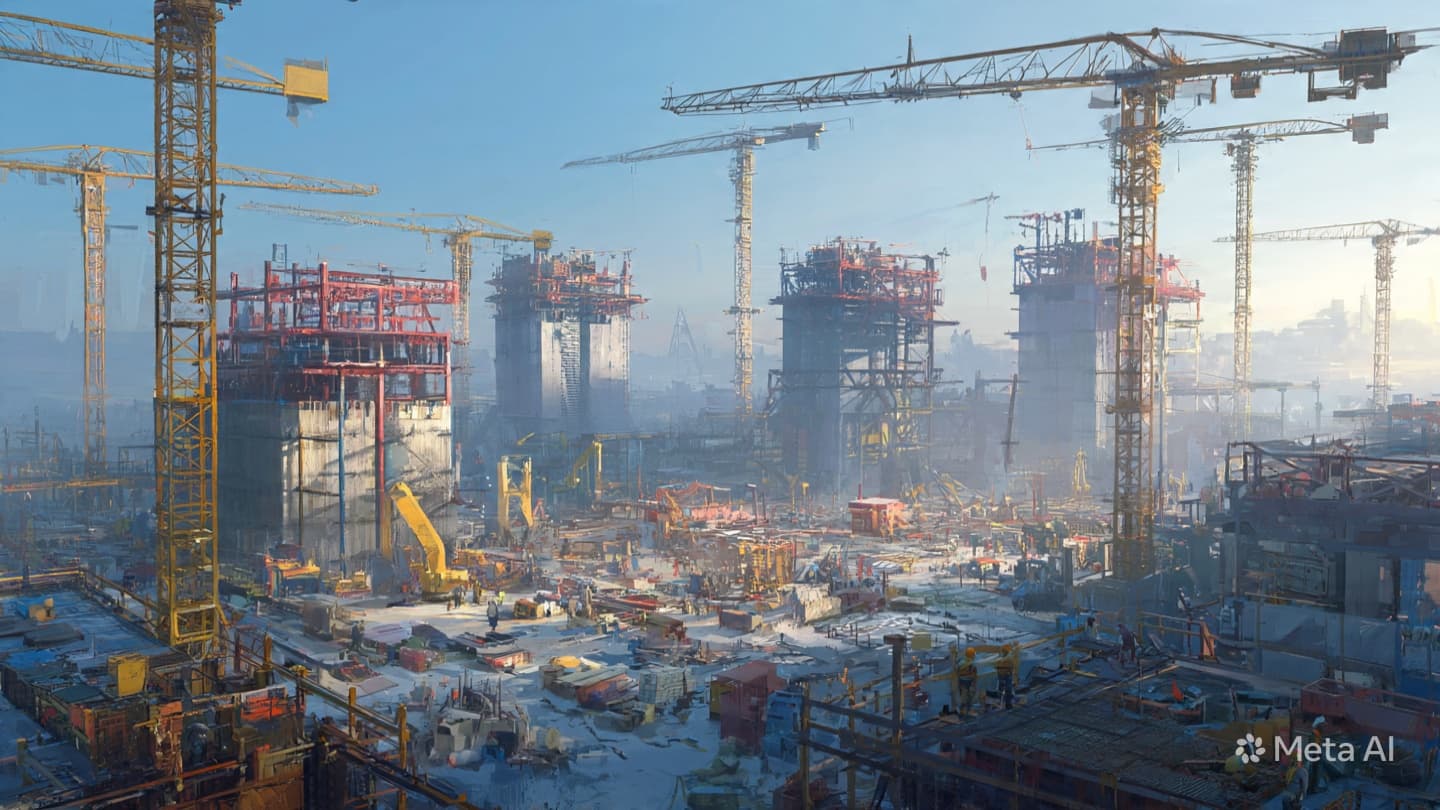
The construction site in Georgetown is a dynamic environment, where the skeletal forms of steel and concrete are gradually assembled into the buildings that will define the city’s future. It is a world filled with noise, motion, and heavy machinery, where the rhythm of progress is dictated by the expertise of those who work there. However, when an industrial accident occurs, it disrupts this mechanical symphony, introducing a devastating human cost. Recently, a worker was hospitalized due to an incident on site, halting the project and transforming the atmosphere from one of creation to uncertainty and concern.
This incident serves as a stark reminder of the inherent risks associated with construction work. Each steel beam lifted, every weld made, and every foundation poured requires not only skill but also a constant, unwavering attention to safety protocols. In the professional environment of a construction site, an accident signifies a failure of the safety system, a breach in the careful arrangement of risks and rewards. The hospitalization of the worker is a deeply personal reality that contrasts sharply with the abstract, project-oriented goals of the industry.
In the wake of the accident, a flurry of activity ensued: work was immediately halted, emergency teams arrived, and safety authorities began a meticulous investigation. This stage is crucial for the community as it seeks to map the failure, identify the sequence of events leading to the injury, and ensure that such incidents do not recur. This process of accountability is essential for maintaining the integrity of the site and the safety of the workforce. For the coworkers left behind, the site is now forever marked by the memory of this event.
Georgetown, a city characterized by development and change, is inherently tied to the success of its construction projects. Yet, this accident prompts a necessary pause for reflection. It raises a critical question for the industry: how do we balance the imperative of progress with the absolute necessity of human safety? The answer lies in the relentless application of safety standards and the cultivation of a culture that prioritizes the well-being of workers above all else. Achieving this goal requires the active commitment of every individual on the site.
As the injured worker begins their recovery and the site slowly resumes activity, the atmosphere remains dampened for a time. The cranes continue to turn, and the structure rises, but the memory of the accident lingers as a cautionary note in the ongoing narrative of the city’s development. It serves as a reminder that our modern environment is not merely an assembly of materials but a testament to the labor and lives of those who build it. Safety is not a luxury; it is the fundamental condition upon which all progress is built.
Ultimately, the industrial accident in Georgetown is a meditation on the human cost of our ambition. We build for the future, reach for the sky, and transform our world, but we must do so with profound respect for the fragility of life that makes it possible. The hospitalized worker is a reminder of this duty, prompting a continued focus on the essential, often invisible work of safety management. As we build and progress, we must remain mindful of the sacrifices made in the pursuit of a better, more developed future.
Published by Banx Network. This article is part of the Banx decentralized media programme, powered by the BXE token on the XRP Ledger.



