
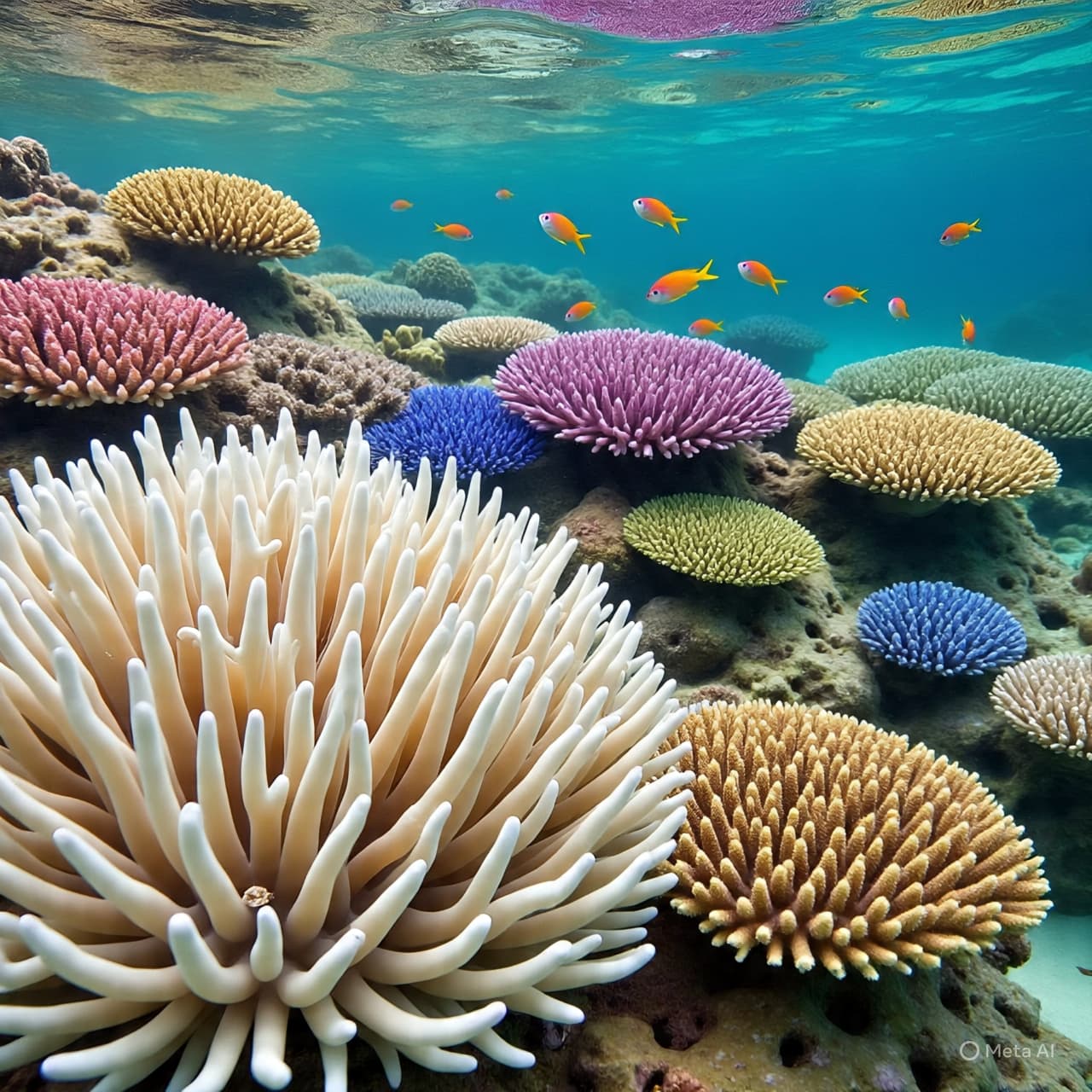
Key Highlights
- Current Status:The Great Barrier Reef is undergoing severe coral bleaching due to elevated sea temperatures.
- Scientific Monitoring:Researchers are deploying thermal monitoring equipment to assess recovery potential.
- Community Impact:Local communities express concern as their livelihoods depend on the health of the reef.
The Great Barrier Reef, one of the most iconic natural wonders of the world, is currently facing a significant crisis as rising sea temperatures lead to widespread coral bleaching. This phenomenon, characterized by the loss of color in corals, is a direct response to environmental stressors, particularly elevated water temperatures. Recent reports indicate that sea surface temperatures in the region have remained two degrees Celsius above the seasonal average for several consecutive weeks, prompting scientists and conservationists to raise alarms about the reef's health.
As divers and researchers explore the underwater landscape, they are met with stark contrasts. Once vibrant coral gardens, teeming with life and color, are now ghostly white, resembling a forest of bones. This bleaching event is not merely a visual tragedy; it signifies a breakdown in the symbiotic relationship between corals and the algae that provide them with essential nutrients. The loss of this relationship can lead to coral death if temperatures do not return to normal levels in time.
Marine scientists have been closely monitoring the situation, utilizing aerial surveys and deploying thermal monitoring equipment to track the extent of the bleaching and the potential for recovery. While some corals exhibit resilience and can regain their color if conditions improve, the overall outlook remains precarious. The Great Barrier Reef Marine Park Authority has officially raised the alert level, indicating the severity of the situation and the urgent need for action.
The implications of this crisis extend beyond the ecological realm; they resonate deeply with local communities that rely on the reef for their livelihoods. Fishing, tourism, and cultural practices are all intertwined with the health of the coral ecosystems. For these communities, the bleaching event is not just a scientific concern but a direct threat to their way of life. As they watch the changes unfold, there is a palpable mix of anxiety and hope, as they cling to the possibility of recovery.
The Great Barrier Reef serves as a critical indicator of the health of our oceans and the broader impacts of climate change. Its plight reflects the urgent need for global action to address the underlying causes of rising temperatures and environmental degradation. As the world turns its attention to this natural wonder, the story of the reef is a reminder of the delicate balance that sustains life on Earth and the collective responsibility to protect it.
As the season progresses, scientists and conservationists remain vigilant, hoping for a reprieve from the heat and a chance for the reef to heal. The narrative of the Great Barrier Reef is far from over; it is a testament to resilience and a call to action for all who cherish the beauty of our planet.
Published by Banx Network. This article is part of the Banx decentralized media programme, powered by the BXE token on the XRP Ledger.



