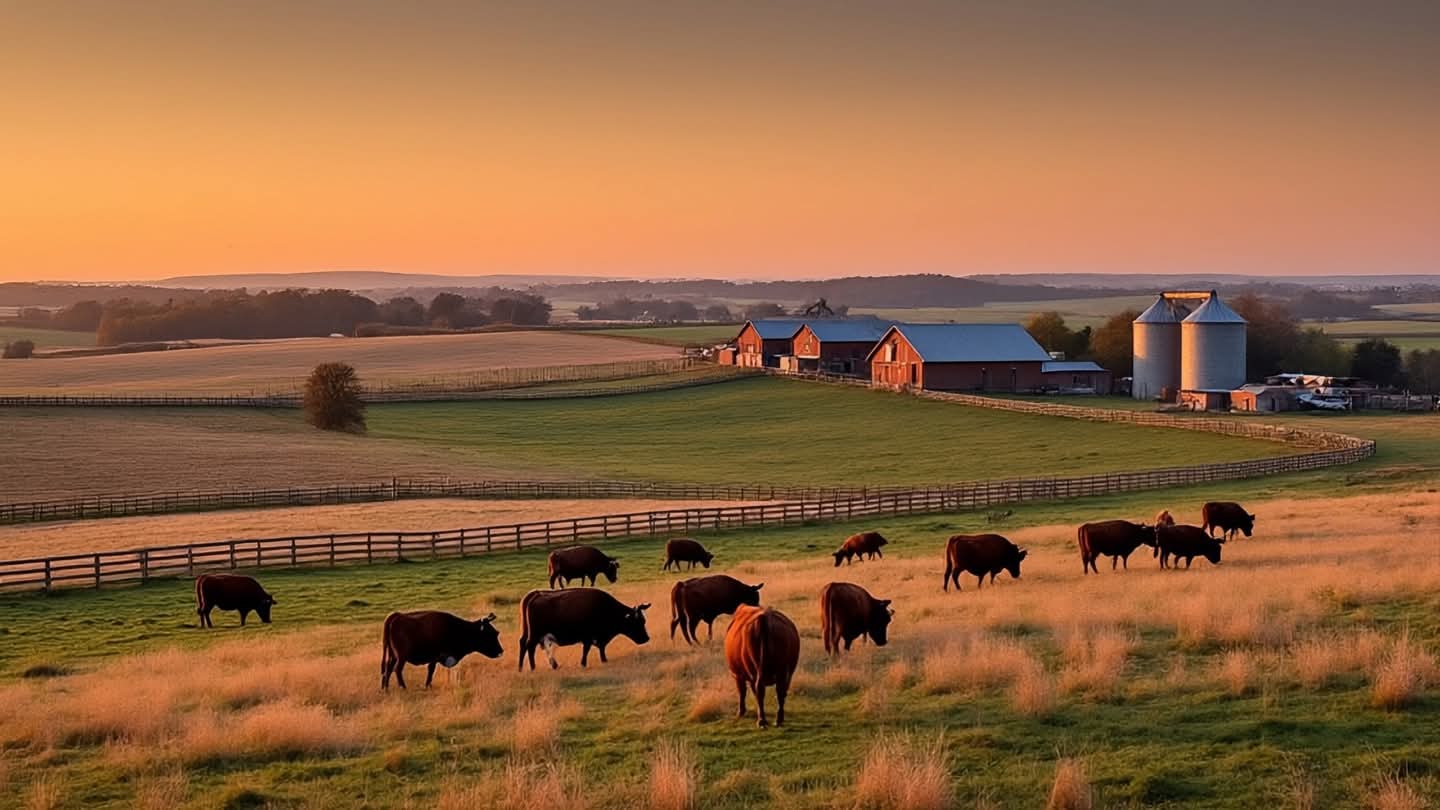
In the complex tapestry of American agriculture and politics, few threads are as tightly woven as the relationship between domestic ranchers and national policy. President Trump’s recent announcement to lower beef prices through increased imports has sent ripples through this delicate fabric, challenging traditional alliances and sparking a debate that extends beyond economics into the heart of rural identity. The proposal, aimed at alleviating consumer costs, finds itself at odds with the protective instincts of the very party that often champions agricultural independence.
The plan involves allowing up to 300,000 metric tons of ground beef to be imported into the United States over the next 90 days without triggering higher tariffs. This temporary measure is designed to address record-high prices that have strained household budgets across the nation. For consumers facing steep grocery bills, the promise of relief is welcome news, offering a glimpse of affordability in an era of persistent inflation.
However, for American cattle ranchers, the move feels like a betrayal of long-standing support. Many within the agricultural community argue that flooding the market with foreign beef undermines local producers who have already navigated challenges ranging from drought to rising feed costs. The sentiment is one of vulnerability, as farmers worry that short-term price fixes may lead to long-term structural damage to the domestic industry.
Republican lawmakers in key electoral races are finding themselves in a precarious position. While they align with the administration’s goal of economic relief, they are acutely aware of the political weight carried by rural voters. Warned by constituents and industry groups, these politicians are voicing concerns that the plan goes too far, potentially alienating a crucial base that values self-reliance and protection of local markets.
The tension highlights a broader philosophical divide within the party between free-market principles and nationalist protectionism. On one hand, lowering prices appeals to the general electorate’s desire for economic ease. On the other, supporting domestic agriculture resonates with the core values of sovereignty and local resilience. Balancing these competing interests requires a nuanced approach that many fear is missing in the current proposal.
Industry experts suggest that while imports may offer immediate relief, they do not address the underlying issues driving up production costs. Factors such as labor shortages, regulatory burdens, and climate variability continue to challenge the sector. Without comprehensive reforms, the import strategy may serve as a band-aid rather than a cure, leaving ranchers exposed to future volatility.
As the debate unfolds, the administration maintains that the measure is temporary and necessary. Officials argue that the priority is to ensure food affordability for all Americans, a goal that transcends partisan lines. Yet, the backlash from within its own ranks suggests that the path to consensus is fraught with complexity, requiring careful negotiation and perhaps a reevaluation of the strategy’s scope.
The controversy over beef imports underscores the delicate balance between consumer needs and producer protection. As Republicans navigate this political landscape, the outcome will likely shape not only agricultural policy but also the broader dynamics of party loyalty and economic strategy in the coming election cycle.
AI Image Disclaimer: Please note that any accompanying illustrations for this piece are AI-generated representations intended to evoke the mood of the described events.
Sources: Fox News, NBC News, Scripps News, Yahoo News
Published by Banx Network. This article is part of the Banx decentralized media programme, powered by the BXE token on the XRP Ledger.