
Key Highlights
- Flash flooding occurred in several Auckland suburbs due to heavy rainfall.
- Emergency services received over 50 calls for assistance during the storm.
- Residents reported significant water intrusion into homes and impassable roads.
Heavy rainfall triggered flash flooding across several Auckland suburbs yesterday, prompting emergency services to respond to more than 50 calls for assistance. Residents reported water entering homes and several roads becoming impassable during the peak of the storm. Weather officials noted that the intensity of the downpour exceeded standard drainage capacities in the affected local areas.
The suddenness of the storm transformed familiar streets into waterways, beginning with a persistent drumming on rooftops and culminating in a chaotic scene where urban landscapes surrendered to the overwhelming force of nature. In the suburbs of Auckland, the sky opened up, unleashing a torrent that overwhelmed the careful geometry of drains and gutters, leaving behind a murky reflection of the world.
As the rain intensified, the sound shifted from a gentle patter to a deafening roar, demanding attention from residents who typically find comfort in the background noise of rain. Water pooled in low-lying areas, creeping over curbs and lawns, erasing the boundaries between private gardens and public thoroughfares. For those watching from their windows, the sight of a neighbor’s driveway transforming into a stream was disorienting, as everyday objects floated away on currents that had not existed just an hour prior.
Emergency services, their sirens muted by the heavy curtain of rain, navigated the flooded streets with focused urgency. Their interventions included helping stranded drivers, checking on vulnerable residents, and clearing blocked passages to allow water to escape. Each call represented a life interrupted by the sudden deluge, highlighting the human impact of the storm.
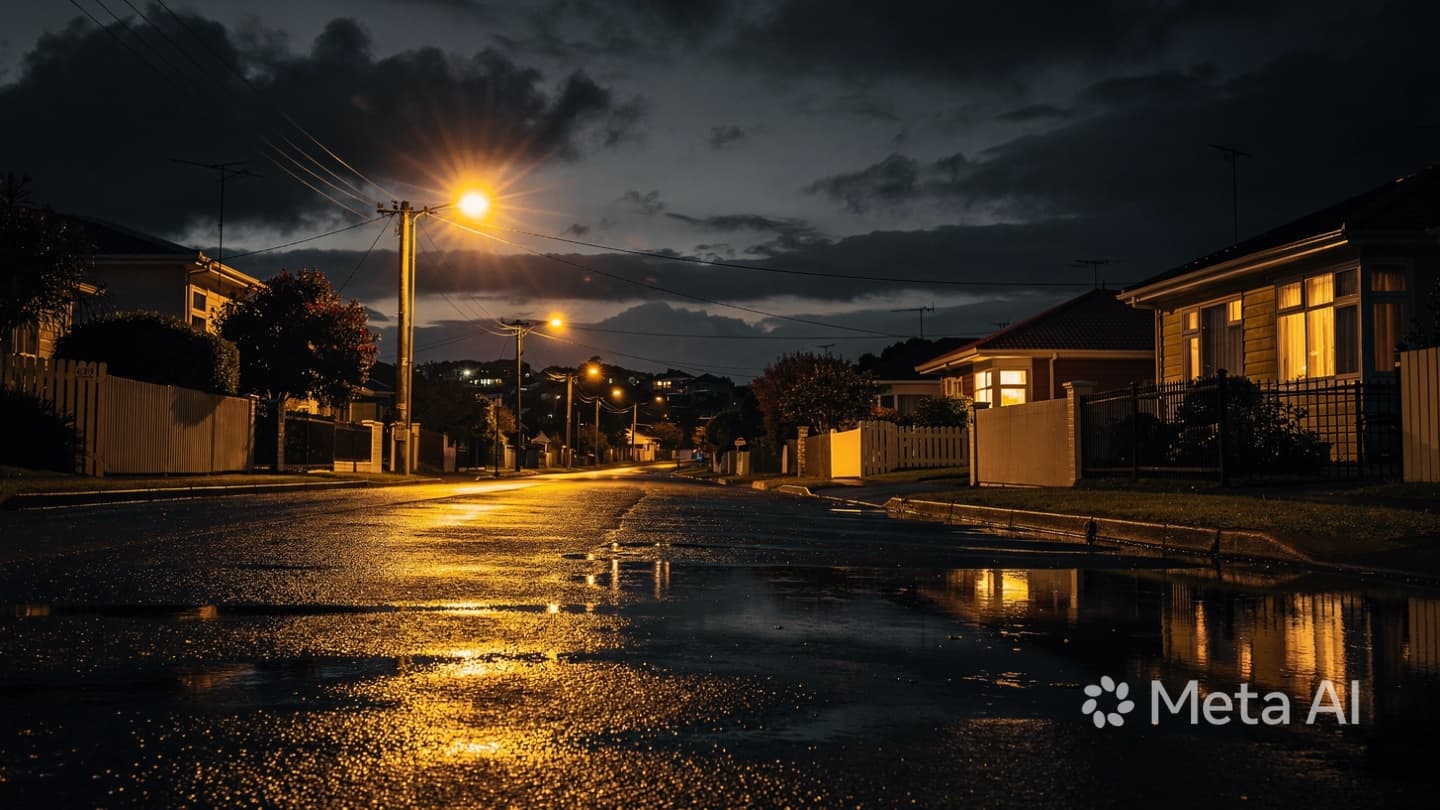
The atmosphere in the flooded suburbs was marked by a damp, reflective beauty, coexisting with the inconvenience and disruption caused by the flooding. Streetlights cast shimmering reflections across the water, creating a surreal landscape where the city felt hushed, its usual frantic energy subdued by the weight of the rain. This moment of forced stillness allowed the water to take center stage, reshaping the urban environment in a matter of hours.
As the flash flooding peaked, the city’s infrastructure faced a significant test. The ground, already saturated from previous rains, could absorb no more, leading runoff to carve its own path through the valleys and hollows of the suburban sprawl. This event served as a stark reminder of nature’s power to reshape our surroundings in an instant.
When the rain finally subsided to a drizzle, the cleanup began, marked by a collective effort from residents. The water retreated, leaving behind a fine silt and a high-water mark on fences and brickwork. Streets returned to their intended use, yet they felt altered—scrubbed clean by the storm but still carrying the chill of the flood.
In the aftermath, the city began to breathe again, the air filled with the scent of wet earth and distant sea salt. This event reminded residents of their reliance on built systems and the grace required when those systems are overwhelmed. Though the flood was a temporary visitor, its impact lingered in the quiet conversations of neighbors as they worked to dry their homes and restore normalcy.
Published by Banx Network. This article is part of the Banx decentralized media programme, powered by the BXE token on the XRP Ledger.



