
Key Highlights
- Incident:A pedestrian was struck and killed in a multi-vehicle collision on the Pan Island Expressway.
- Emergency Response:Emergency responders were dispatched, leading to significant traffic disruptions.
- Investigation:Authorities are reviewing the circumstances surrounding the incident and the pedestrian's presence on the expressway.
The Pan Island Expressway serves as a crucial artery in Singapore, facilitating the daily commute for thousands. This vital roadway, characterized by its constant flow of vehicles, is not just a means of transportation but a reflection of the city's pulse. However, this rhythm can be abruptly interrupted, as evidenced by a recent tragic incident that left a pedestrian dead following a multi-vehicle collision.
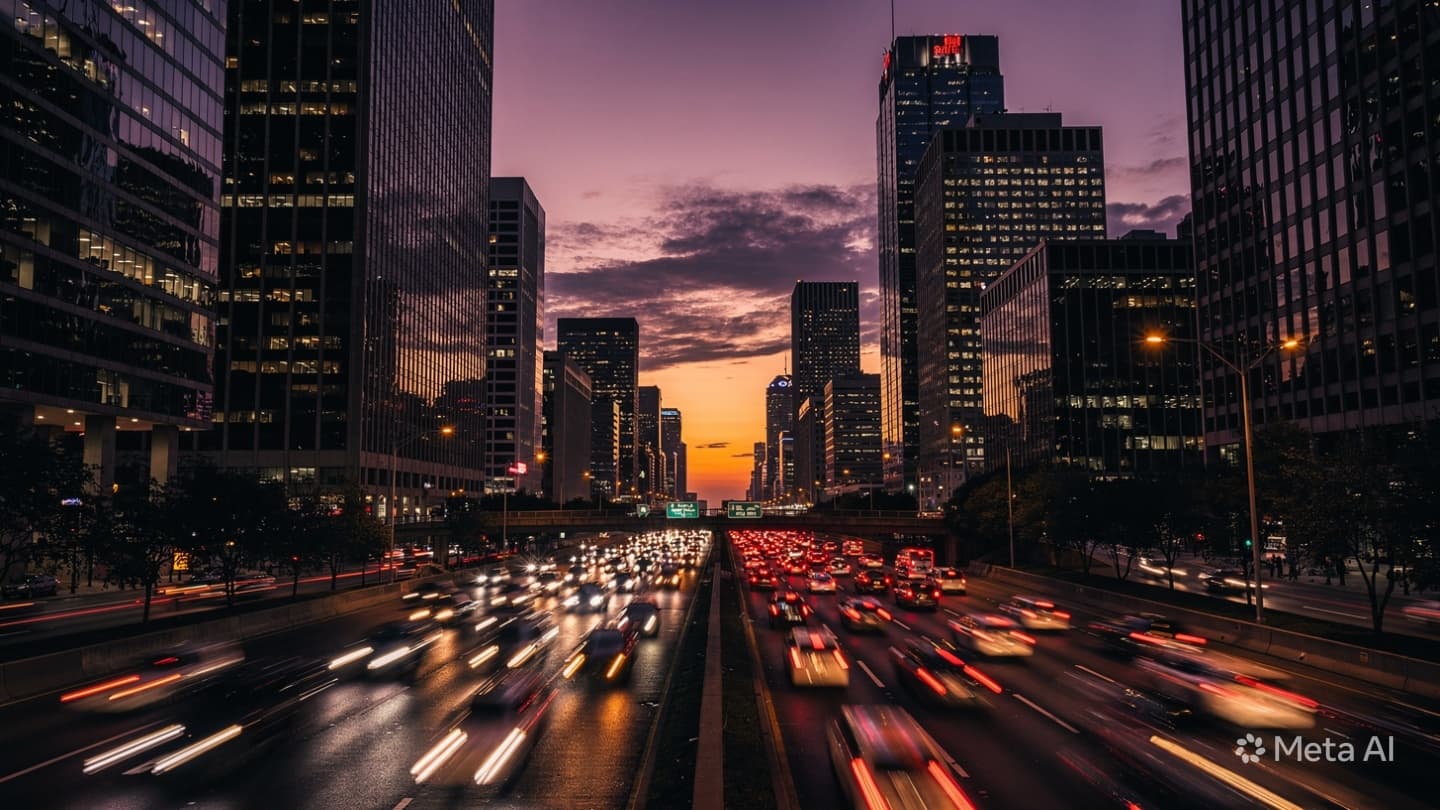
On the day of the incident, the expressway was bustling with commuters when chaos erupted. The collision involved multiple vehicles, leading to a scene filled with flashing lights and halted traffic. Emergency responders quickly arrived, but the damage was done. The loss of life in such a setting starkly highlights the vulnerabilities faced by pedestrians in a city designed for vehicular movement. It serves as a poignant reminder of the fragility of life amidst the hustle and bustle of urban transit.
In the aftermath of the collision, investigators began their work, meticulously piecing together the events that led to this tragedy. The investigation aims to clarify the circumstances surrounding the incident, including how the pedestrian came to be on the expressway. This process is not merely a technical exercise; it is a necessary step in understanding the human impact of such events. Each life lost on our roads represents a story interrupted, a family affected, and a community shaken.
The conversation surrounding safety on expressways is ongoing and multifaceted. It encompasses the responsibilities of drivers, the design of roadways, and the need for heightened awareness among all road users. The recent incident has reignited discussions about how to better protect vulnerable pedestrians, particularly in high-traffic areas. As cities evolve, so too must our approaches to urban safety, ensuring that infrastructure accommodates all users, not just those in vehicles.
Reflecting on this tragedy, it becomes clear that there is a somber duty to remember and learn from such incidents. The expressway will continue to serve as a conduit for commuters, but the memory of this event should inspire a renewed commitment to safety. It is a call to action for all stakeholders—drivers, city planners, and pedestrians alike—to foster a culture of respect and caution on our roads.
As normalcy returns and traffic resumes its flow, the lessons from this incident linger. The authorities will conclude their investigations, but the impact of the tragedy will resonate within the community. It is a reminder that every journey carries with it the responsibility to prioritize safety and empathy for others sharing the road. The silence that follows such events is not merely an absence of sound; it is filled with the resolve to improve and ensure that the city’s pulse remains steady and safe for all.
In the end, the tragedy serves as a sobering chapter in the ongoing narrative of urban transit. It emphasizes the need for continuous dialogue about safety and the importance of individual responsibility in maintaining the collective well-being of our communities.
Published by Banx Network. This article is part of the Banx decentralized media programme, powered by the BXE token on the XRP Ledger.



