
Key Highlights
- Telemedicine Network:Over 50 specialized hospitals and 200 rural clinics connected.
- Virtual Consultations:Thousands conducted monthly, improving pediatric care.
- Future Plans:Integration of AI tools for diagnostics by late 2026.
Cuba's healthcare system is undergoing a transformative shift with the expansion of its National Telemedicine Network, which now connects over 50 specialized hospitals and 200 rural clinics. This initiative is not just about technology; it represents a profound commitment to ensuring that every child, regardless of their geographical location, has access to high-quality medical care. The integration of telemedicine into the healthcare framework is a testament to Cuba's dedication to equity in health services.
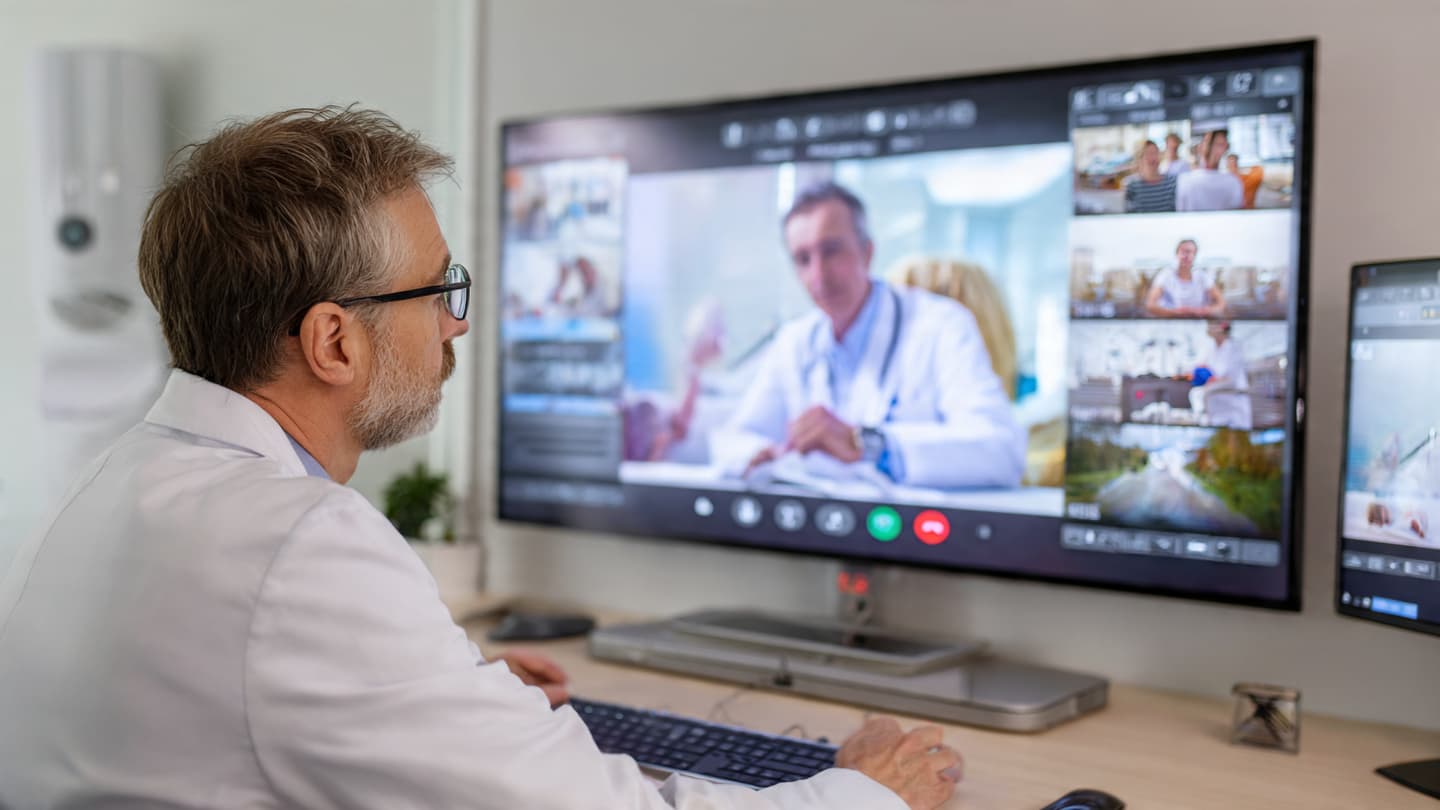
At the Pepe Portilla Children's Hospital, the atmosphere is charged with a sense of purpose as healthcare professionals engage in virtual consultations. These sessions allow specialists in urban centers to reach patients in remote areas, effectively bridging the gap created by distance. The technology employed is not merely a tool; it is a lifeline that connects families with the expertise they need, often in critical situations. The emotional weight of these interactions is palpable, as doctors provide care with the same compassion they would in person.
The significance of this telemedicine network extends beyond convenience. It is a cornerstone of Cuba's medical resilience, enabling a more integrated healthcare system that can respond swiftly to the needs of its population. By facilitating real-time sharing of medical data, including imaging and test results, the network enhances the speed and accuracy of diagnoses. This collaborative approach among healthcare providers, engineers, and administrators fosters a culture of innovation and compassion, positioning Cuba as a leader in digital health.
As the telemedicine infrastructure continues to grow, so does the potential for early diagnosis and specialized treatment. The network's ability to facilitate thousands of virtual consultations each month has dramatically reduced the need for patients to travel long distances for care, which is particularly beneficial for families in rural areas. This shift not only improves health outcomes but also alleviates the financial and emotional burdens associated with travel for medical treatment.
The pediatric wards at the Pepe Portilla Hospital exemplify the harmonious blend of traditional care and modern technology. Healthcare professionals are adapting to new digital interfaces, enhancing their ability to provide care while maintaining the core values of the Cuban health system. This evolution is not just about adopting new tools; it is about redefining the very nature of healthcare delivery in Cuba.
Looking ahead, the Ministry of Public Health (MINSAP) has ambitious plans for the telemedicine network. Reports indicate that the next phase will involve the integration of Artificial Intelligence tools to support diagnostics, expected to roll out by late 2026. This advancement promises to further enhance the capabilities of healthcare providers, ensuring that the most vulnerable populations continue to receive the best possible care.
In conclusion, Cuba's telemedicine revolution is a powerful reminder of the potential for technology to strengthen community bonds and improve health outcomes. It embodies the belief that access to healthcare is a fundamental right, one that must be upheld through innovation and compassion. As this network expands, it not only transforms the landscape of pediatric care but also reinforces the commitment to health equity across the nation.
Published by Banx Network. This article is part of the Banx decentralized media programme, powered by the BXE token on the XRP Ledger.



