
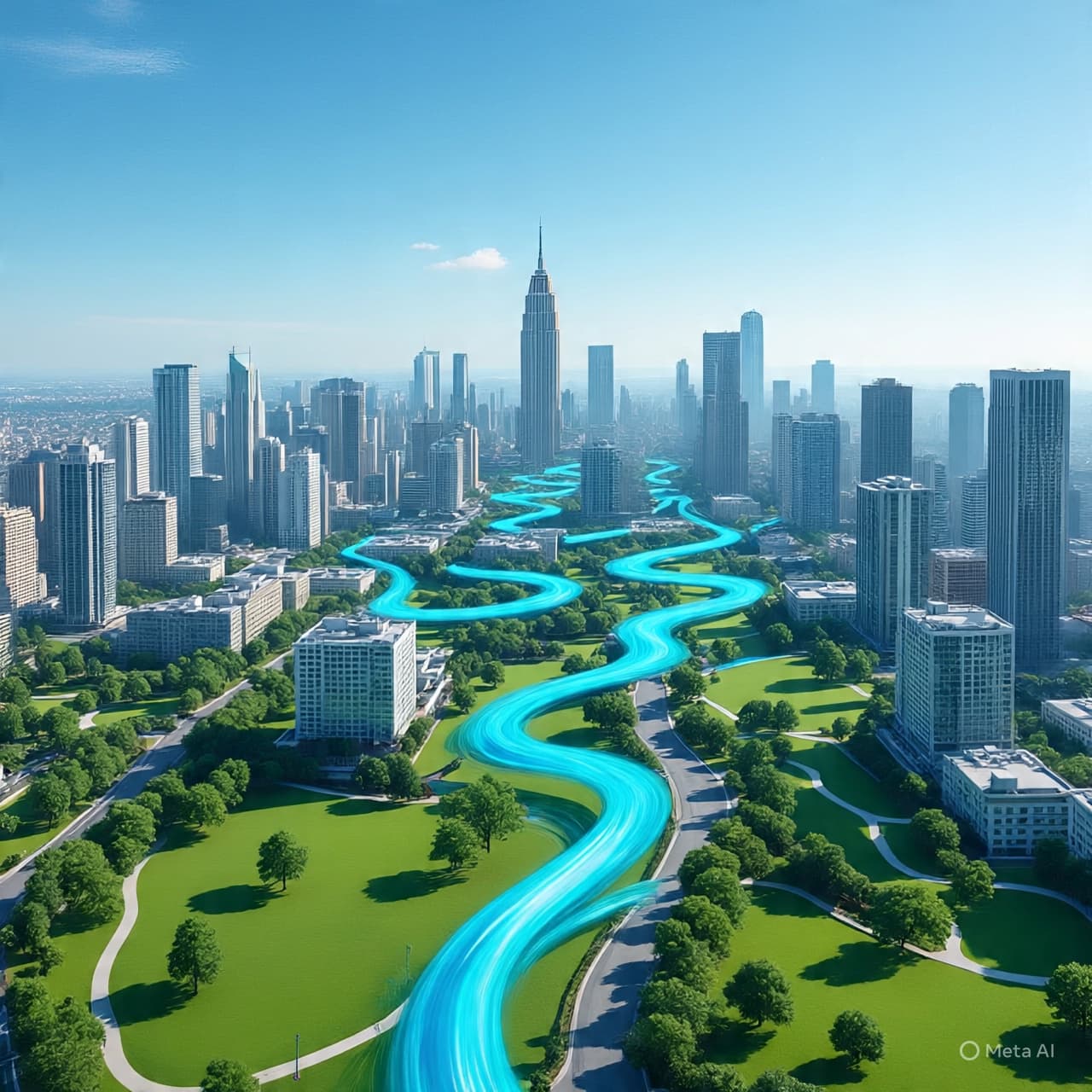
Key Highlights
- New Study:Australian urban planners and atmospheric scientists reveal complexities in urban air quality.
- Urban Design Impact:The relationship between city structures and air pollution is under scrutiny.
- Health Implications:Poor air quality is linked to respiratory and cardiovascular issues, emphasizing social equity.
[Understanding Urban Air Quality]
The air in modern cities is a complex and dynamic entity, influenced by both human activity and natural processes. In Australia, urban areas like Sydney and Melbourne are facing increasing scrutiny regarding their air quality. A recent study led by urban planners and atmospheric scientists highlights the intricate relationship between urban design, vehicle emissions, and the natural environment. This research suggests that merely reducing emissions is not enough; a comprehensive understanding of how urban landscapes interact with atmospheric conditions is essential for improving air quality.
As residents navigate through these cities, they encounter varying air quality levels, often dictated by the materials and structures surrounding them. The heat generated by asphalt and concrete creates micro-climates that can trap pollutants close to the ground. This phenomenon complicates efforts to achieve cleaner air, as the legacy of past urban planning decisions continues to impact air quality today. The study emphasizes that addressing air pollution requires a holistic approach that considers the city as a living organism, rather than just a collection of buildings and roads.
[The Role of Urban Greenery]
Urban forests and green spaces play a crucial role in mitigating air pollution. Often referred to as the lungs of the city, trees contribute to air quality by influencing wind patterns and cooling the atmosphere. However, as temperatures rise, even these natural filters face challenges. The metabolic processes of trees can slow down under extreme heat, limiting their ability to absorb pollutants. This delicate balance underscores the need for sustainable urban planning that integrates green spaces into the fabric of city life, allowing for a more resilient urban ecosystem.
[The Broader Environmental Context]
The complexity of urban air quality extends beyond human-made emissions. Natural elements such as dust, salt, and pollen contribute to the atmospheric mix, creating a unique cocktail of pollutants that can affect health. By focusing solely on anthropogenic sources, we risk overlooking the broader environmental interactions that shape our air quality. The study advocates for a more interconnected view of urban air quality, recognizing that human activities and natural systems are inextricably linked.
[Health Implications and Social Equity]
The implications of poor air quality are profound, particularly concerning public health and social equity. Research indicates that exposure to pollutants can lead to respiratory and cardiovascular diseases, disproportionately affecting vulnerable populations. The narrative surrounding air quality is not just about environmental concerns; it is also a matter of social justice. Ensuring that all communities have access to clean air is a critical aspect of urban planning and public health policy.
[Future Considerations]
As cities continue to grow and evolve, understanding the natural patterns that influence air quality will be essential for creating livable urban environments. Coastal cities benefit from sea breezes that help cleanse the air, while inland areas may experience stagnation. Recognizing these dynamics can inform future urban design strategies that prioritize health and sustainability. The choices made today regarding urban development will have lasting impacts on air quality and public health for generations to come.
In conclusion, the findings from this study serve as a reminder of our shared responsibility to foster healthier urban environments. By embracing a holistic approach to urban planning that respects the natural flow of air and integrates green spaces, we can work towards a future where every breath taken in our cities is a gift rather than a risk. The journey toward cleaner air is a collective effort, requiring collaboration among urban planners, scientists, and communities alike.
Published by Banx Network. This article is part of the Banx decentralized media programme, powered by the BXE token on the XRP Ledger.



