To observe the growth of an economy is to watch a forest mature—it is a process that occurs slowly, often invisibly, through a thousand small changes in the soil and the air. In Jordan, the landscape of business and trade is undergoing such a maturation, characterized by a quiet determination to build something lasting amidst the swirling dust of regional uncertainty. It is an architecture of the invisible, where policies and reforms serve as the steel beams of a new national identity.
There is a certain gravity in the forecasts of international institutions, which speak of steady progress and structural resilience. These numbers are more than mere statistics; they are the measured pulse of a society that is choosing to invest in itself. The growth is not a sudden eruption, but a carefully managed expansion, a testament to a strategic patience that looks past the immediate crisis toward the long-term horizon.
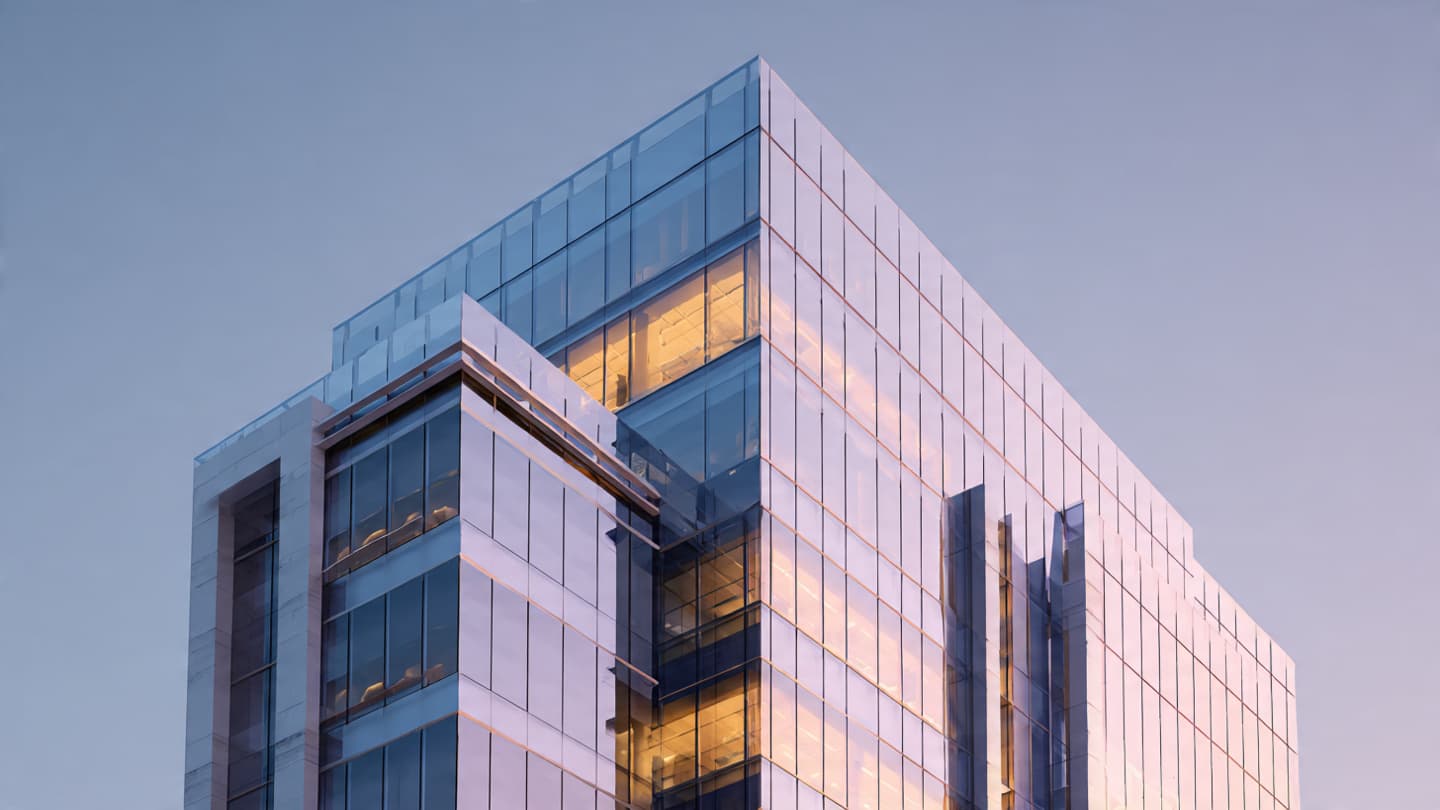
As one walks through the business districts of Amman, the sense of purpose is palpable. New headquarters rise with a clean, modern aesthetic, representing the confidence of a corporate sector that has learned to navigate the complexities of the Middle Eastern market. It is a moment of professionalization, where the traditional merchant’s intuition is being supplemented by the data-driven precision of the modern executive.
The focus on structural reform—the streamlining of bureaucracy and the opening of new trade corridors—is the work of the architect who knows that the beauty of the building depends on the strength of the foundation. These changes are often unheralded, occurring in the quiet halls of government and the boardrooms of industry, yet they provide the stability that allows the rest of the nation to flourish.
Reflecting on this period, one sees a Jordan that is increasingly comfortable with its role as a regional hub of stability. By fostering an environment where innovation and investment can take root, the kingdom is creating a sanctuary for economic activity that benefits not only its own citizens but the region as a whole. The steady climb of the growth indicators is a sign of a healthy, functioning system.
The movement of capital and the creation of jobs are the lifeblood of this new architecture. Each new venture and every expanded factory is a stone laid in the wall of national prosperity. There is a sense of collective effort, a recognition that the prosperity of the future depends on the hard work and clear-sightedness of the present. The vision is broad, encompassing everything from green energy to high-tech manufacturing.
As the day ends and the city quietens, the work of building the future continues in the minds of the planners and the entrepreneurs. The growth of the economy is a narrative of persistence, a story of a people who refuse to be defined by the limitations of their geography. It is a journey toward a more diverse and resilient market, one that can withstand the shocks of the global stage.
In the coming years, the challenge will be to ensure that the benefits of this growth reach every corner of the kingdom, from the bustling streets of the capital to the quiet villages of the south. The foundation is strong, and the blueprint is clear; now comes the long, rewarding work of construction. The architecture of the future is being built today, one steady brick at a time.
The World Bank’s latest economic update for Jordan projects a real GDP growth of 2.7% for the current fiscal year. This stability is attributed to strong performances in the manufacturing and mining sectors, as well as ongoing fiscal reforms implemented by the government. Experts note that while regional risks remain, Jordan’s structural resilience continues to provide a buffer against external shocks.
Published by Banx Network. This article is part of the Banx decentralized media programme, powered by the BXE token on the XRP Ledger.