There is a particular kind of tension that exists when the lifeblood of a state is suddenly measured and managed by the hand of authority. To hear the declaration of a "fuel state of emergency" in Western Australia is to witness a moment of profound logistical sobriety, a realization that the vast distances of the desert are tethered to the volatile movements of distant seas. It is a scene of quiet preparation, where the machinery of government turns its gaze toward the storage tanks and the shipping lanes.
The movement of fuel across the state is the silent pulse that allows the lights to stay on and the trucks to run. When that pulse is threatened by events thousands of miles away, the landscape itself seems to hold its breath. The emergency measures are not a sign of panic, but a strategy of restraint—a way of ensuring that the essential remains available while the world waits for the storm in the Middle East to pass.
In the regional centers, where the road is the only connection to the outside world, the news is met with a weary, practiced pragmatism. People have learned to read the signs of the times in the price at the pump and the frequency of the deliveries. There is a sense of shared responsibility, a quiet understanding that the community must find a way to move together through a season of scarcity and high cost.
The regulatory framework that has been activated allows for a degree of transparency that is rarely seen in the private world of energy logistics. It is as if a curtain has been pulled back to reveal the intricate web of supply that keeps the modern world in motion. The focus on information sharing and ministerial oversight is a poetic way of discussing the collective survival of the industry, ensuring that no part of the state is left in the dark.
Investors and market observers watch these developments with a detached, scholarly interest, noting how the state of emergency influences the rhythm of the resources sector. For the mines and the processing plants, the certainty of fuel is the certainty of production. The managed flow of energy is a stabilizing force, a way of protecting the foundations of the economy from the unpredictable waves of global conflict.
There is a human story in this management—the story of the small business owner who must recalibrate their margins and the driver who must plan their route with a new kind of care. The state of emergency is a reminder of our shared vulnerability, but also of our capacity for organized resilience. It is a moment to consider the true value of the energy we often take for granted, and to find ways to use it with greater wisdom.
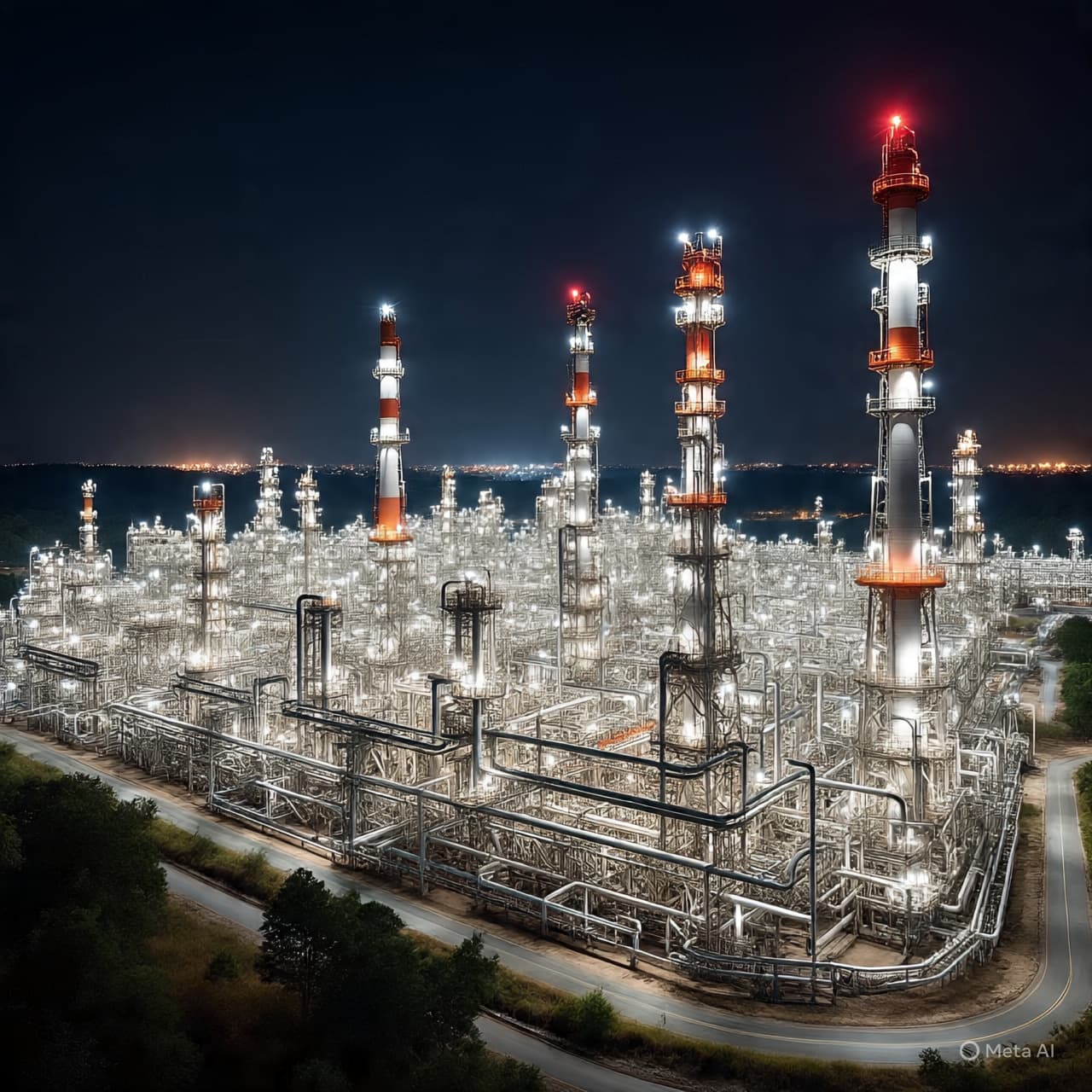
As the sun sets over the refineries, casting a long, golden shadow across the industrial skyline, there is a sense of watchful waiting. The emergency orders provide a framework for stability, but the true resolution lies in the quieting of the waters in far-off straits. Until then, the state moves with a measured caution, its leaders acting as the custodians of a precious and thinning flame.
The Western Australian Government has declared a fuel state of emergency effective through September 2026, granting the Minister for Energy expanded powers to manage supply chains and compel data sharing among industry players. The move follows significant disruptions to shipping in the Middle East, which have impacted the arrival of fuel shipments to the state’s primary ports. While no immediate rationing has been imposed, the regulations aim to ensure equitable distribution and prevent price gouging as the global energy crisis continues to unfold.
AI Image Disclaimer Visuals are AI-generated and serve as conceptual representations.
Published by Banx Network. This article is part of the Banx decentralized media programme, powered by the BXE token on the XRP Ledger.