
Key Highlights
- 12% increase in youth participation in Lenten traditions in Serbia.
- Cultural analysts link this trend to a search for identity and community.
- Regional markets adapt to the growing demand for traditional fasting foods.
The streets of Belgrade transform during the holy season, enveloped in a profound silence that invites reflection. This stillness marks a departure from the frenetic pace of modern life, as the city embraces a time of ritual and tradition. The observance of fasting and feast days serves as a reminder of the sacred amidst a predominantly secular world, allowing individuals to reconnect with their cultural roots.
In Serbian kitchens, the preparation of traditional Lenten meals becomes a meditative practice, echoing the culinary traditions of ancestors. This ritualistic approach to food preparation fosters a sense of community and continuity, as families gather to share meals that have been passed down through generations. The act of cooking during Lent is not merely about sustenance; it is a celebration of heritage and a way to honor the past.
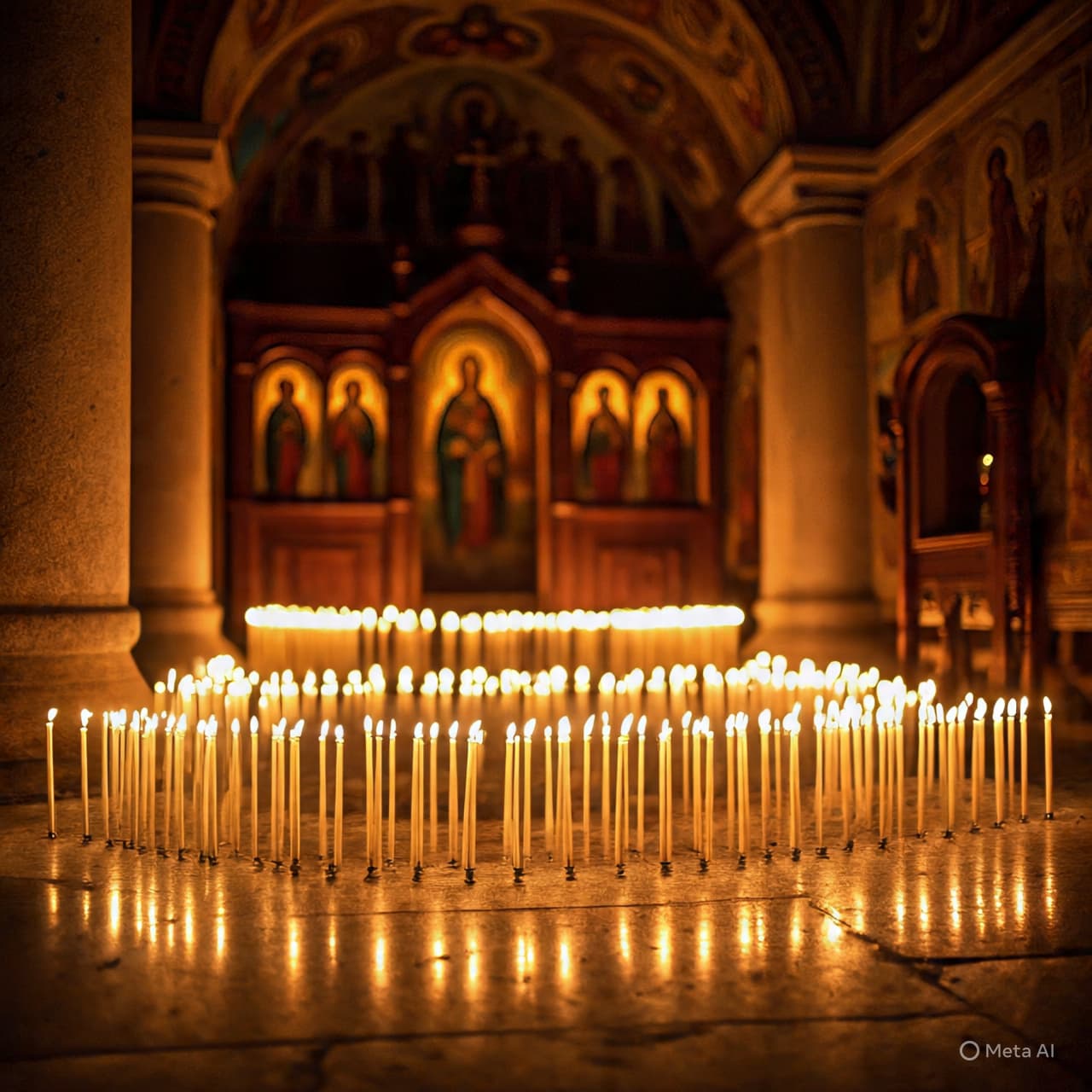
As candles flicker in the dim light of churches, the prayers resonate with a timeless quality, linking the present to a rich history of faith. The rituals observed during this season are steeped in tradition, providing a sense of belonging that many modern citizens find elusive in today's digital landscape. The resurgence of interest in these practices among youth signifies a collective yearning for connection and meaning beyond the superficiality of social media.
The solemnity of fasting carries a weight of reflection, acknowledging the struggles inherent in the human experience. Yet, this period of restraint is balanced by the anticipation of celebration, illustrating the cyclical nature of growth and renewal. The rituals serve as a reminder that stillness can lead to profound transformation, a lesson that resonates deeply in a world often characterized by haste.
The impact of these traditions extends beyond personal observance; they shape the very fabric of community life. Markets adjust their offerings to meet the increased demand for traditional fasting foods, such as fish and plant-based staples, reflecting a cultural shift towards valuing heritage. This adaptation highlights the interconnectedness of cultural practices and economic activity, as local businesses respond to the community's needs.
Recent sociological reports indicate a 12% increase in youth participation in traditional religious festivals and fasting observances over the last three years. Analysts suggest that this trend is driven by a desire for historical identity and a community-based antidote to digital isolation. As the bells toll at dawn, signaling the end of the fast, the city awakens with renewed energy, carrying the lessons of the sacred day into everyday life. This cycle of renewal not only keeps the spirit of the people alive but also reinforces the importance of shared cultural experiences in an increasingly fragmented world.
In the quiet hours of the holy night, Belgrade becomes a tapestry of flickering flames and communal purpose. The rituals observed during this season foster a sense of unity, reminding individuals that they are part of a larger narrative. As the seasons turn, the lessons learned during this sacred time continue to resonate, nurturing the spirit of the community and ensuring that the essence of tradition endures.
Published by Banx Network. This article is part of the Banx decentralized media programme, powered by the BXE token on the XRP Ledger.



