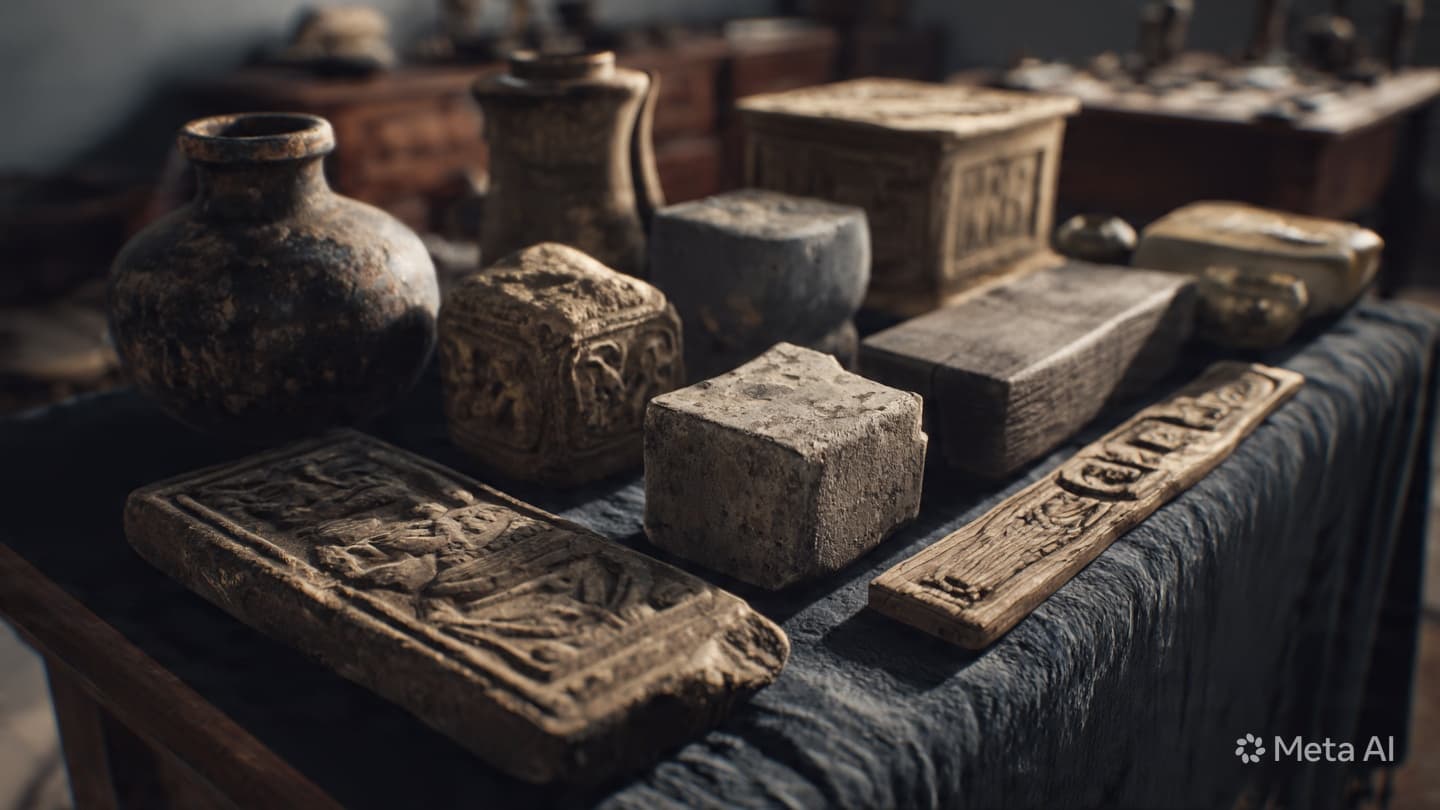
The lush, forested hills around Kpalimé exist in a delicate, timeless embrace with history and nature, the green canopy of the cocoa plantations giving way to waterfalls and ancient settlements that have guarded the region's cultural heritage for centuries. In this vibrant landscape, the physical remnants of the past—from ancestral terracotta figures to traditional ceremonial tools—form the tangible memory of the communities that shaped the valley. Alongside this historic wealth, the montane forests hold unique biodiversity, acting as a sanctuary for rare wildlife specimens that are found nowhere else in the sub-continent. When this dual heritage is quietly extracted by predatory networks, the loss is felt as a profound depletion of both ecological and cultural identity.
To intercept an organized smuggling operation carrying historic artifacts and rare wildlife specimens out of the country is to confront a specialized form of illicit trade that treats a nation's soul as a mere volume commodity. These items, stolen from regional sanctuaries or harvested from protected habitats, carry an immense moral and scientific weight, representing a direct theft from future generations for private enrichment. When they are packed into unmarked crates and hidden within standard transit vehicles, they lose their living context, transformed into contraband navigating the backroads in absolute silence. The discovery introduces a cold gravity into the enforcement stations, where the material reality of heritage exploitation is laid bare.
The recent apprehension of three suspects by a coordinated law enforcement patrol marks a crucial intervention against this pattern of cultural and ecological predation, bringing a long-awaited resolution to the local conservation community. Moving on precise data gathered from forest rangers and community intelligence networks, security forces blocked the escape vehicle at a strategic transit node near Kpalimé before the cargo could vanish across the international border. The operation was handled with a disciplined, quiet efficiency, the securement of the suspects and the fragile antiquities accomplished without public alarm.
There is a profound systemic damage inflicted upon a developing society when its primary historical and natural treasures are allowed to be systematically liquidated through illegal channels. The loss of historic artifacts deprives local museums of the material evidence needed to educate the public, while the extraction of rare wildlife destabilizes the local ecosystems, accelerating the threat of extinction for vulnerable species. This parallel trade enriches international collectors at the expense of the communities that have protected these hills for generations, turning their heritage into a luxury asset for foreign markets.
As the recovered terracotta figures, antique woodcarvings, and preserved wildlife specimens are cataloged in the regional administrative office, the scale of the syndicate's technical network becomes undeniable to analysts. This operation required local guides, specialized brokers with connections to international art markets, and a method to bypass traditional customs checks at the frontier. The current arrests are felt as a necessary reassertion of sovereign responsibility over the nation’s heritage, proving that the wealth of the land and the memory of the ancestors remain under the strict protection of the law.
Published by Banx Network. This article is part of the Banx decentralized media programme, powered by the BXE token on the XRP Ledger.