
Key Highlights
- Mudslide Impact:A devastating mudslide in Bududa District has destroyed several homes and displaced families.
- Emergency Response:The Uganda Red Cross and local officials are coordinating rescue operations for affected residents.
- Environmental Concerns:Experts warn of ongoing risks due to unstable volcanic slopes in the region.
The high alpine slopes of the eastern ridge in Uganda are known for their breathtaking verticality, where generations of resilient farming communities have carved deep green volcanic soils into intricate agricultural terraces. These misty highlands are dotted with traditional thatched and iron-roofed huts, precariously clinging to the mountain's contours, surrounded by small plots of bananas, coffee, and maize that sustain the local population. The relationship between the mountain people and their land is deeply intimate, built on a shared history of cultivation and an implicit reliance on the stability of the towering slopes above.
However, this volcanic soil possesses a deceptive, fragile nature when subjected to the unrelenting pressure of prolonged highland downpours. As days of heavy rain saturate the deep clay layers, moisture penetrates to the bedrock, transforming the solid foundations of the mountain into a heavy, fluid mass of mud and stone. Living on these slopes during severe weather is fraught with anxiety, as the very earth that provides life can lose its structural integrity in an instant.
The recent mudslide in Bududa District descended with a terrifying roar, a wall of liquefied topsoil and uprooted trees sweeping down the vertical channels with unstoppable momentum. In its path, the fragile huts of the mountainside were instantly destabilized, their timber frames crushed and buried beneath tons of dense, dark earth before the occupants could escape to safety. Witnessing the aftermath of such a slide reveals the absolute erasure of human domesticity, as entire clusters of homesteads are replaced by raw, brown scars cutting across the green valley.
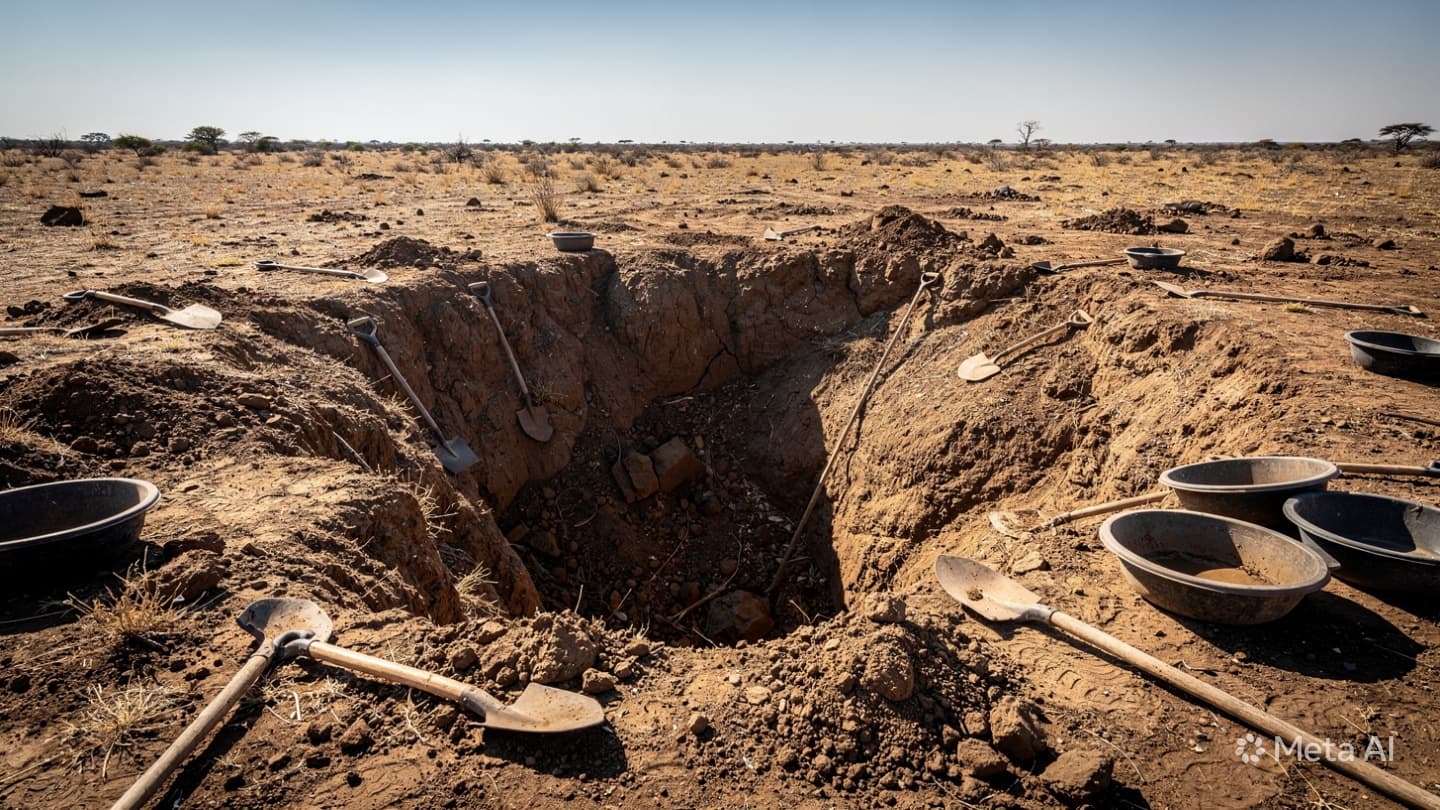
As the primary slide subsided, the atmosphere over the destabilized slopes was heavy with rain and profound grief, uniting the surviving community. Neighbors gathered at the edge of the displaced earth, armed with simple hand tools, hoes, and wooden poles, desperately searching for missing family members. The sheer scale of the landscape made their efforts appear small and fragile, a testament to human devotion working against the immense, indifferent mass of a collapsed mountain ridge.
In response to the disaster, the Bududa District Disaster Management Committee, in coordination with the Uganda Red Cross Society, deployed emergency rescue teams to the affected mountainous sub-counties. Local administrative officials confirmed that several residential huts were completely destroyed by the mudslide, leaving multiple families displaced and necessitating immediate relocation to safer lowlands. Environmental scientists from the National Environment Management Authority have renewed calls for structured resettlement programs away from the high-risk volcanic slopes, warning that continued saturation poses an ongoing threat of secondary slope failures.
The community's resilience will be tested in the coming weeks as they navigate the challenges of recovery and rebuilding in the wake of this devastating event. The collaboration between local authorities and humanitarian organizations will be crucial in ensuring the safety and well-being of those affected.
Published by Banx Network. This article is part of the Banx decentralized media programme, powered by the BXE token on the XRP Ledger.



