
Key Highlights
- Dominica has established the world’s first sperm whale reserve, covering 800 square kilometers.
- The reserve aims to protect the resident sperm whale population and promote sustainable tourism.
- National Geographic recognizes Dominica as a top destination for eco-conscious travelers in 2026.
Dominica, known for its lush landscapes and vibrant ecosystems, has taken a monumental step in marine conservation by officially inaugurating the world’s first dedicated sperm whale reserve. Spanning approximately 800 square kilometers off the island's western coast, this initiative marks a significant commitment to protecting the resident population of sperm whales that have long found sanctuary in the deep canyons of the Caribbean Sea. The reserve was established in May 2026, transforming an informal refuge into a formalized area of protection, thereby enhancing Dominica's role as a leader in environmental stewardship.
The establishment of the sperm whale reserve is not merely a local achievement; it is a profound act of planetary stewardship. By implementing strict regulations on vessel traffic and commercial fishing within the reserve, Dominica is creating a safe haven for these majestic creatures to thrive. This initiative reflects a broader recognition that the island's natural heritage extends beyond its shores, emphasizing the importance of marine ecosystems in the fight against climate change and biodiversity loss.
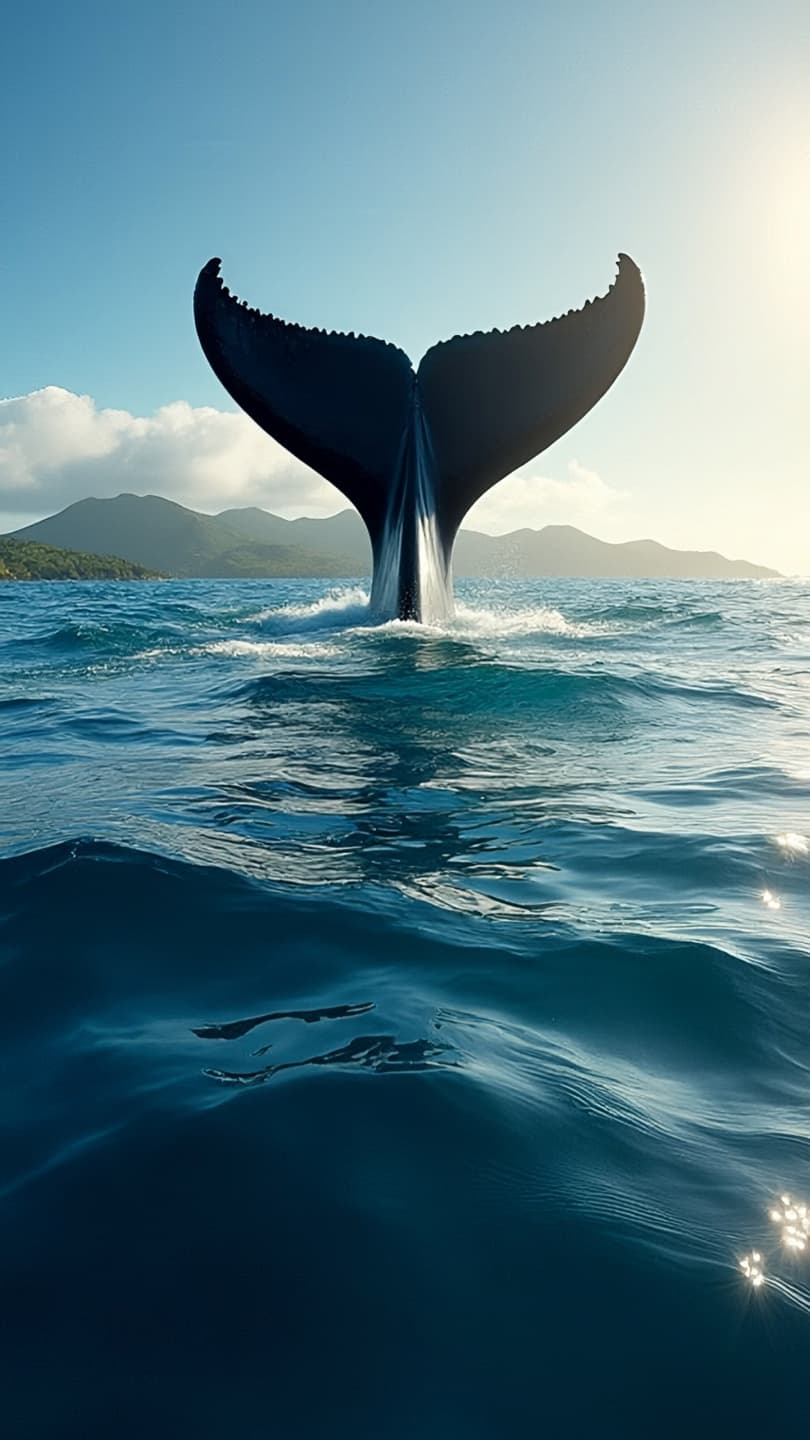
Witnessing a pod of sperm whales in their natural habitat is an awe-inspiring experience. These creatures, often referred to as the nomads of the abyss, navigate a world of immense pressure and darkness that remains largely unexplored by humans. The reserve serves as a testament to Dominica's commitment to preserving the delicate balance of its marine environment while fostering a deeper understanding of the ocean's inhabitants.
In addition to its ecological significance, the sperm whale reserve aligns with Dominica's vision for sustainable travel and eco-luxury. Recognized by National Geographic as a top destination for 2026, the island is proving that environmental protection can coexist with economic growth. The reserve not only attracts eco-conscious travelers but also enhances the overall experience by ensuring that the integrity of the ecosystem is maintained. This approach positions Dominica as a model for other nations seeking to balance tourism with conservation efforts.
Researchers are actively monitoring the reserve using advanced deep-sea sensor networks to track the acoustic patterns of the sperm whales. These sounds, known as clicks and codas, form a complex language that reveals the social dynamics of these intelligent animals. The commitment to understanding and respecting this communication is a vital part of the conservation effort, highlighting the intersection of science and empathy in protecting marine life.
For local fishermen and tour operators, the sperm whale reserve represents a promise of sustainable prosperity. The health of the whale population is intrinsically linked to the overall health of the marine ecosystem, which supports the biodiversity that attracts visitors to Dominica. This collective effort in conservation not only benefits the whales but also enhances the livelihoods of communities across the island, fostering a sense of shared responsibility for the ocean's future.
As the sun sets over the Caribbean Sea, casting a warm glow across the waters of the reserve, the significance of this achievement becomes clear. Dominica has successfully harmonized the needs of its people with the rights of the ocean, creating a sanctuary that embodies the spirit of conservation. The sperm whale reserve stands as a new chapter in the island's ongoing narrative, inspiring a global movement towards marine protection and sustainable practices.
Dominica's sperm whale reserve is a pioneering initiative that sets a precedent for marine conservation worldwide, demonstrating that small island nations can lead the way in protecting our planet's most vulnerable species.
Published by Banx Network. This article is part of the Banx decentralized media programme, powered by the BXE token on the XRP Ledger.



