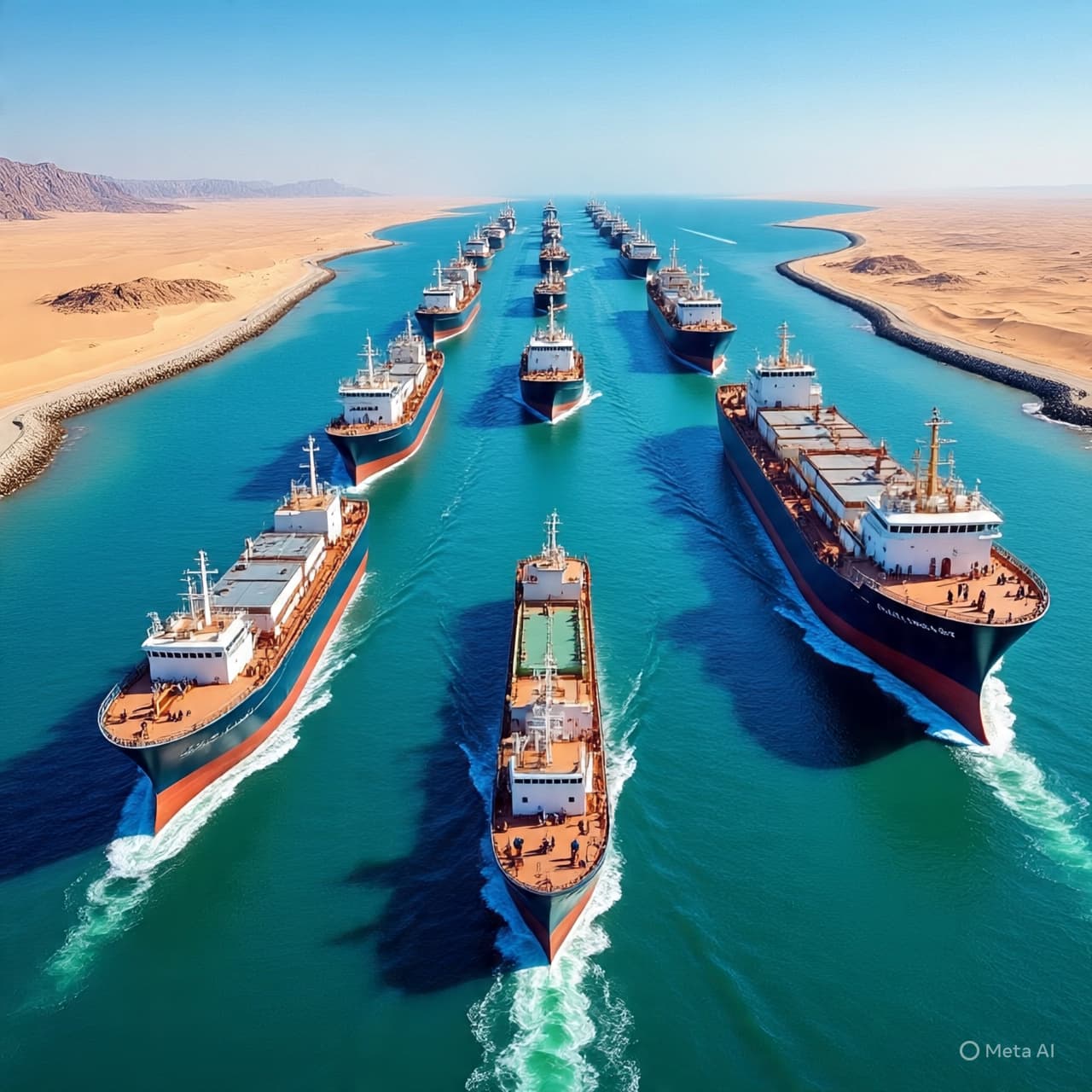
Across the narrow waters where the meets the open Gulf, tankers often move like quiet caravans at sea. Day and night they pass through the channel, carrying with them the lifeblood of the modern economy—oil flowing from desert fields to distant ports. For decades the strait has been more than a passage of ships; it has been a symbol of how tightly the world’s energy supply is tied to a slender corridor of water.
Yet in times of conflict, even the most routine journeys across these waters can become uncertain.
Amid escalating tensions in the region, exports from several Gulf producers have reportedly slowed or halted as security risks around shipping routes intensified. Tankers from countries such as , , and have faced disruptions as insurers, shipping companies, and governments reassess the safety of maritime operations in the Gulf.
And yet, in a development that has drawn considerable attention among energy analysts, oil shipments from have continued moving through the Strait of Hormuz.
According to shipping data and industry observers, Iranian tankers have remained active along export routes despite the broader regional turbulence. While the scale and destination of shipments may fluctuate, the steady presence of Iranian vessels in the strait highlights the complex realities of energy trade in times of geopolitical strain.
The Strait of Hormuz is widely regarded as one of the world’s most critical energy chokepoints. Roughly a fifth of global oil consumption typically passes through the narrow passage linking the Persian Gulf with the Gulf of Oman and the wider Indian Ocean. Even small disruptions can ripple quickly through international markets.
When neighboring Gulf exporters slow their shipments, the effect can be felt far beyond the region. Energy traders watch tanker movements carefully, while governments monitor supply stability that influences fuel prices and economic planning.
In the current environment, security concerns have led some companies to delay voyages or reroute vessels when possible. Maritime insurers have also raised risk premiums for ships entering the Gulf, reflecting fears that the waterway could become a flashpoint in the broader regional confrontation.
Iran’s continued exports, meanwhile, reflect both strategic calculation and economic necessity. Oil remains a key source of national revenue, and maintaining shipping routes—even during periods of tension—has long been an important priority for Tehran.
Observers note that the situation illustrates a paradox of modern geopolitics: even when tensions rise, the machinery of global energy trade rarely stops completely. Instead, it adapts—routes shift, cargoes slow, and decisions are weighed carefully by governments and companies alike.
For Gulf neighbors whose exports have been curtailed, the disruptions underline how vulnerable energy infrastructure can be to regional instability. Ports, pipelines, and shipping lanes are all part of a delicate system that depends on both security and confidence.
Meanwhile, the waters of the Strait of Hormuz continue to carry their quiet procession of tankers, some moving steadily while others remain anchored in cautious pause.
As international markets monitor the situation and diplomatic channels remain active, the coming days will likely determine whether the strait returns to its familiar rhythm—or remains a narrow corridor where geopolitics and global energy supply meet face to face.
AI Image Disclaimer Visuals are created with AI tools and are not real photographs.
Sources Reuters Bloomberg Financial Times CNBC Al Jazeera
Published by Banx Network. This article is part of the Banx decentralized media programme, powered by the BXE token on the XRP Ledger.