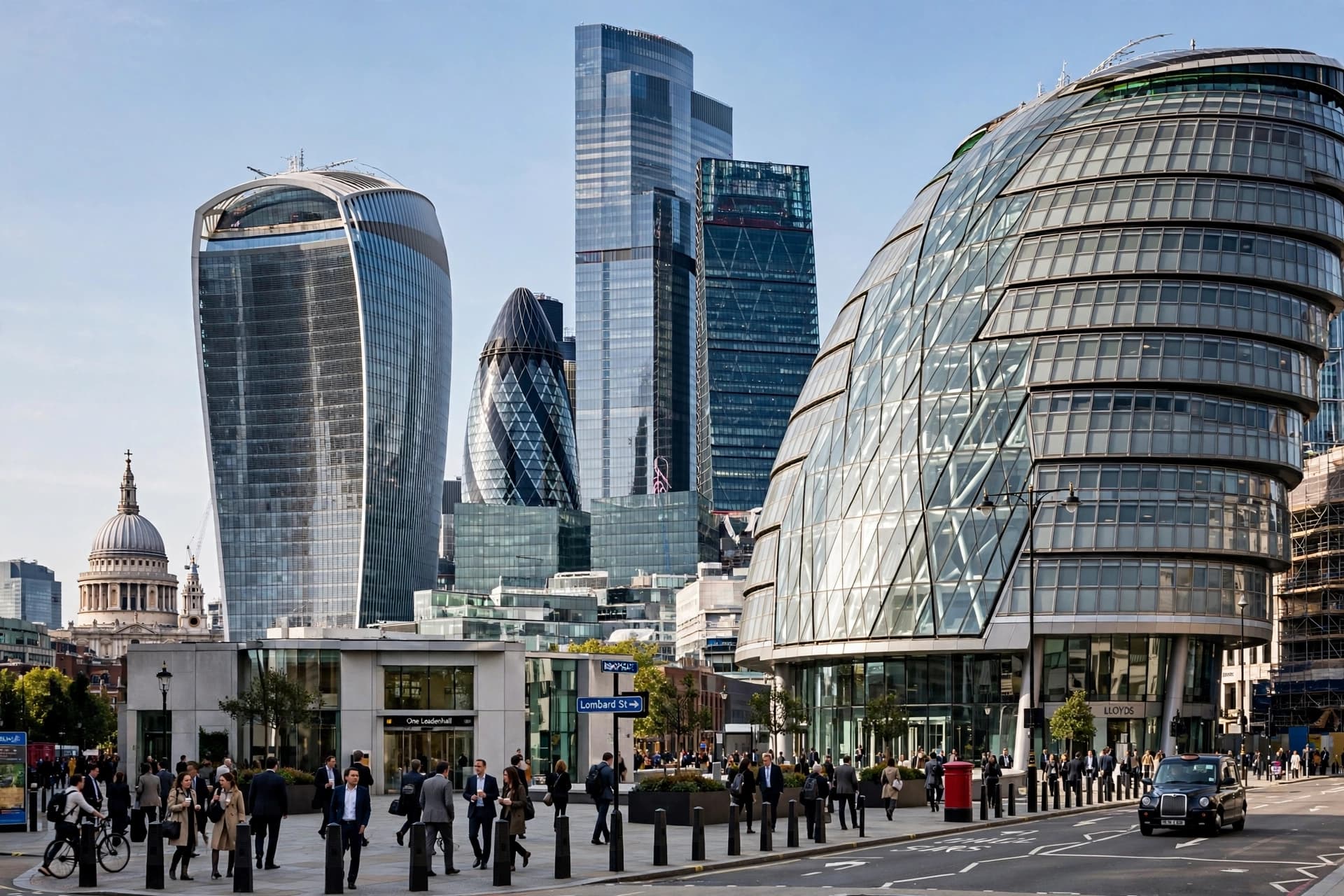
Like a river whose bends are shaped by unseen forces, global markets often flow in patterns that feel almost poetic to the patient observer. On a quiet winter morning in Asia, stock markets traced gentle arcs upward, lifted not by a single dramatic gust but by a confluence of quieter breezes — a steadier yen, central bank decisions, and a U.S. dollar that seems to have lost some of its usual weight. In tandem, gold — that ancient refuge of value — inched closer to the near-mythical threshold of $5,000 an ounce, as if whispering tales of old to modern investors.
In financial districts from Tokyo to Sydney and Shanghai, share prices found modest footing this week. Markets reacted to measured policy stances from the Bank of Japan, which chose to keep its key interest rate unchanged, a move that comforted some investors while nudging currency dynamics in new directions. The MSCI Asia-Pacific index outside Japan rose quietly, with benchmarks such as the Nikkei, Hang Seng and Kospi all inching higher. This collective advance reflected a mood that was neither euphoric nor fearful, but rather contemplative — a sense that markets were adjusting to evolving economic rhythms rather than reacting to sudden shocks.
Amid this backdrop, gold — the metal that has long symbolized solidity in uncertain times — continued its slow ascent. Prices hovered near $4,943 per ounce, just shy of the symbolic $5,000 mark, buoyed by a softer U.S. dollar that made bullion more accessible to buyers worldwide. The dollar’s retreat has given precious metals a touch of fresh winds at their back, making safe-haven assets more appealing as investors weigh questions about global economic momentum and future interest-rate paths.
The factors behind the metal’s rise extend beyond mere currency movements. Broader concerns about fiscal stability, geopolitical tensions and shifting monetary policy expectations have lent a quiet intensity to demand. Some analysts suggest that when confidence in traditional assets wavers — even slightly — many market participants look to gold as a form of balance. Yet this isn’t a dramatic rush or alarm-driven exodus; it’s more like a subtle repositioning of portfolios, a way of harmonizing risk and reassurance in uncertain economic waters.
Investors in equities, for their part, have also found reasons for measured optimism. Regional markets have shown resilience, benefitting from easing global tensions and supportive domestic indicators. The movements are not uniform — some sectors and countries outperform others — but the overall tone carries a sense of cautious progress. For many portfolio watchers, this suggests that while uncertainty persists, confidence has not eroded.
Seen together, these shifts — in stocks, currencies and commodities — feel less like capricious swings and more like the slow adjustments of a finely tuned ecosystem. Each market tells its own part of a larger story, one that doesn’t rush to a conclusion but unfolds in the quiet interplay of global forces.
And if gold should finally cross that near-historic threshold, it may be remembered not as an isolated headline, but as a reflection of how markets balance optimism, caution and the timeless search for stability.
Asian stock markets rose on Friday after the Bank of Japan maintained its key interest rate, with major regional indices posting modest gains. Gold prices continued climbing, nearing $5,000 an ounce as the U.S. dollar weakened, boosting demand for precious metals. The dollar’s recent softness and expectations around future monetary policy helped underpin the gold rally and supported broader market sentiment.
AI Image Disclaimer
“Graphics are AI-generated and intended for representation, not reality.”
Source check
1. Reuters 2. AP News 3. News.az 4. The Economic Times
Published by Banx Network. This article is part of the Banx decentralized media programme, powered by the BXE token on the XRP Ledger.