Across Iran’s expansive landscapes, sunlight reaches deserts and open plains for much of the year. These natural conditions have created interest in renewable energy as part of future energy discussions.
The country’s energy system has historically relied heavily on traditional resources. However, changing global conditions have encouraged exploration of alternative sources.
Solar energy has received growing attention because of Iran’s geographic advantages. Researchers and developers continue studying ways to expand renewable capacity.
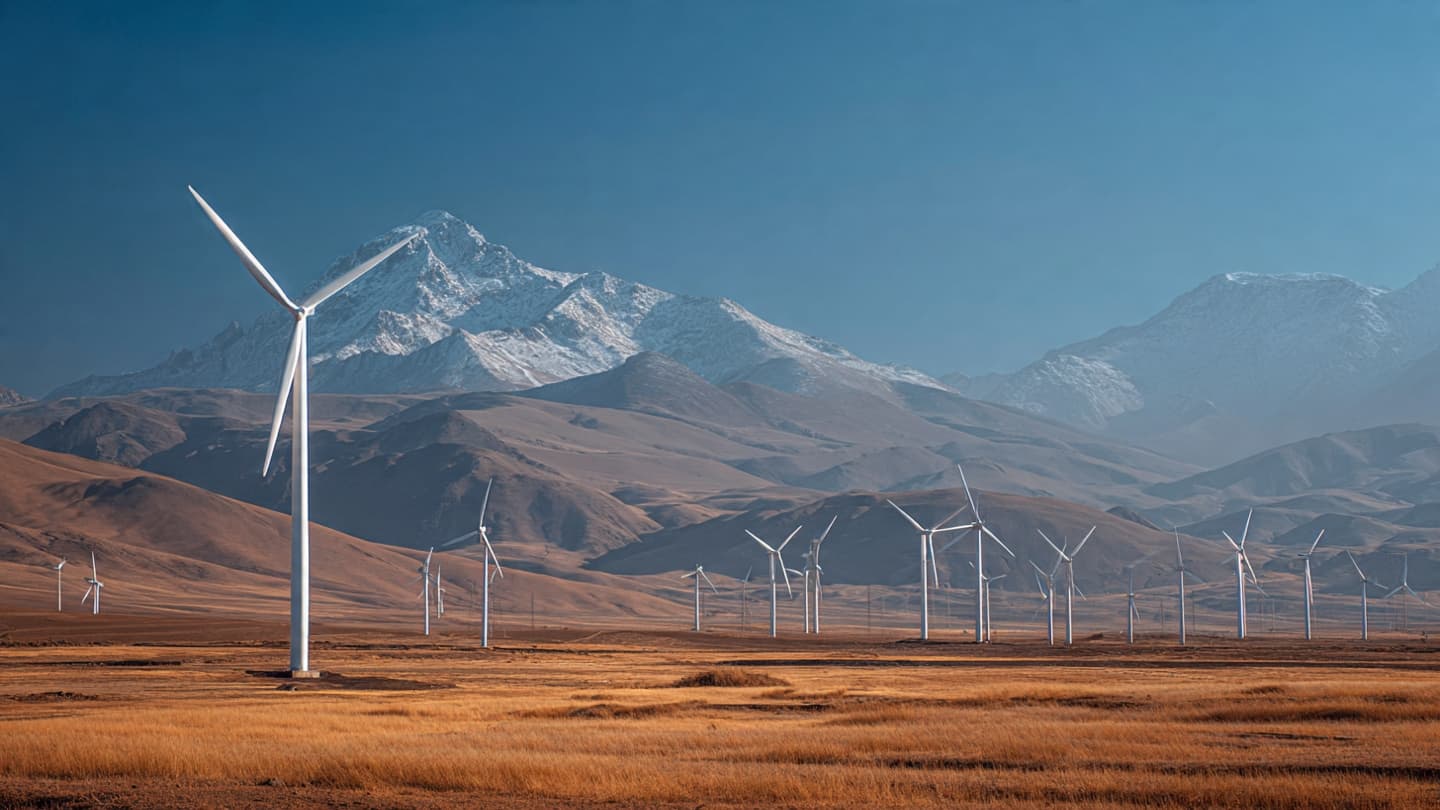
Wind energy and other renewable technologies are also part of broader discussions about diversification.
The development of clean energy involves more than technology alone. Infrastructure, investment, and long-term planning remain important elements.
Renewable energy is becoming a global conversation, with countries seeking different paths toward energy security and sustainability.
Iran’s landscape provides both opportunities and challenges. Geographic conditions can support renewable projects, while technical and economic factors influence their development.
Scientific research continues contributing to improvements in renewable systems and energy efficiency.
The transition toward alternative energy is a gradual process shaped by innovation and changing priorities.
As Iran explores new energy possibilities, renewable resources represent another chapter in the relationship between natural landscapes and human progress.
AI Image Disclaimer These visuals are AI-generated illustrations created for conceptual purposes and are not actual photographs.
Sources
International Energy Agency International Renewable Energy Agency World Bank Energy research publications
Published by Banx Network. This article is part of the Banx decentralized media programme, powered by the BXE token on the XRP Ledger.