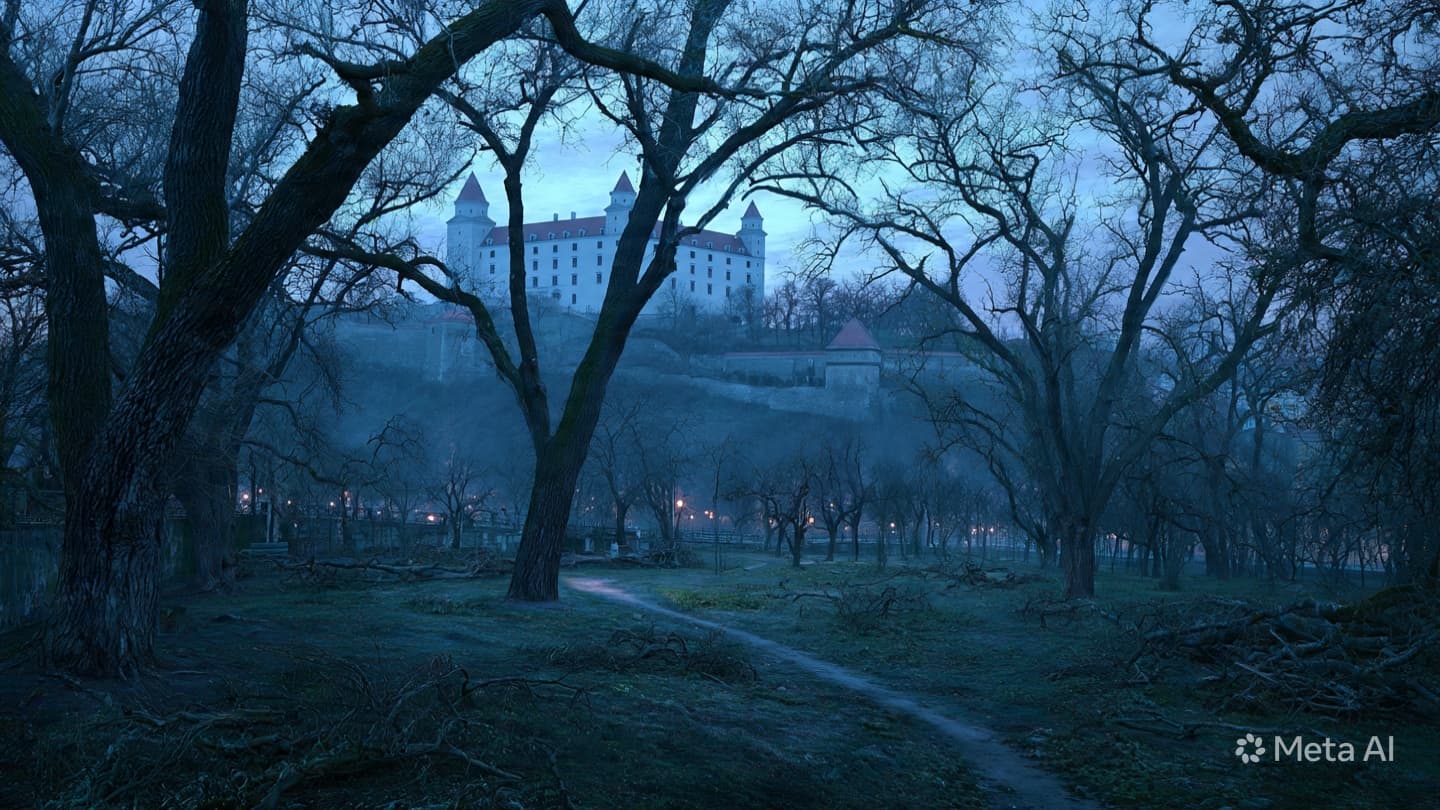
The Bratislava Castle, a sweeping tapestry of stone and elevated memory, has stood for centuries as a testament to the endurance of the city’s identity. There is a distinct, heavy atmosphere that descends when such a site—a repository of collective history and profound silence—is suddenly threatened by the intrusion of an elemental force like a severe summer storm. It is a moment that disrupts the continuity of the past, transforming a familiar, revered sanctuary into a landscape of broken branches, scattered debris, and the sudden, uneasy reality of structural vulnerability.
As the storm subsides, the architecture that usually basks in the golden warmth of tradition takes on a stark, skeletal appearance under the cleaning crews' floodlights. The wind, which once surged through the grounds, has been quelled, yet the air remains charged with the reminder of the fragility inherent in our preserved heritage. These old structures, while seemingly eternal in their stone geometry, are vulnerable to the rapid, consuming nature of powerful weather, serving as a solemn bridge between what was and what remains.
The citizens and the visitors, who have long found solace within these grounds, now find themselves standing at the edge of the clean-up zone, observing the transition of their shared sanctuary into a site of repair. There is a profound silence in their presence, a reflection of the disturbance that occurs when a cultural icon is violated by the mechanics of the elements. This is not merely the loss of property, but the fragmentation of a cultural narrative and the sudden erasure of a comfortable, historical permanence.
Clean-up crews operate with a disciplined, rhythmic efficiency that stands in stark contrast to the unpredictability of the storm they have just weathered. Their movements are deliberate and steady, a testament to the training required to protect both the visitors and the legacies of the past. As they navigate the debris-strewn remnants, they act as guardians of the castle's soul, carefully assessing what can be recovered and what must be surrendered to the ruins of the event.
Watching the aftermath, one is struck by the resilience of the community. Even as the physical grounds bear the scars of the night, the workers begin the slow, methodical process of gathering the fragments of their routines. It is a quiet, collective endeavor, marked not by grand gestures, but by the small, necessary acts of checking the integrity of the walls and ensuring that the safety of the visitors is restored.
The urban landscape will eventually be restored, as this site has survived challenges throughout its long life. Yet, the memory of the storm remains etched into the collective experience, a chapter added to the ongoing biography of the landmark. It serves as a reminder that even the most enduring structures are merely stewards of time, requiring constant vigilance to protect them from the ephemeral, destructive nature of an uncontrolled, powerful storm.
As morning approaches, the light reveals the full extent of the damage, casting long shadows over the debris. The focus shifts toward recovery and the long-term work of maintenance, a task that will demand both patience and an appreciation for the history that has been touched by the wind. It is a sobering conclusion to a night of chaos, leaving a city to find its way forward from the fallen branches of their heritage.
On June 21, 2026, a severe, powerful storm swept through Bratislava, causing significant damage within the grounds of the Bratislava Castle and the surrounding parliamentary properties. National Council of the Slovak Republic chair Richard Raši confirmed that clean-up and damage assessment operations have been underway since early Monday morning to ensure visitor safety. The Fire and Rescue Service responded to dozens of weather-related incidents across the Bratislava region, as heavy winds uprooted trees and impacted historical masonry. Authorities have since secured the affected areas while workers continue the methodical inspection and restoration of the castle’s historic grounds.
Published by Banx Network. This article is part of the Banx decentralized media programme, powered by the BXE token on the XRP Ledger.