The rain had already passed in some districts by dawn, but the city still carried its aftermath like a lingering ache. Water clung to broken sidewalks, traffic lights reflected across flooded intersections, and the smell of wet concrete drifted through neighborhoods where sleep had been interrupted by sirens and hurried footsteps. Across several parts of Greece, morning arrived not with calm, but with the slow realization of how quickly ordinary streets had transformed overnight.
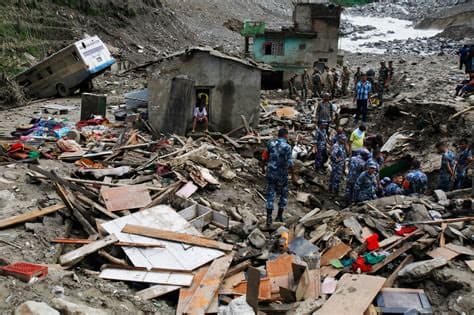
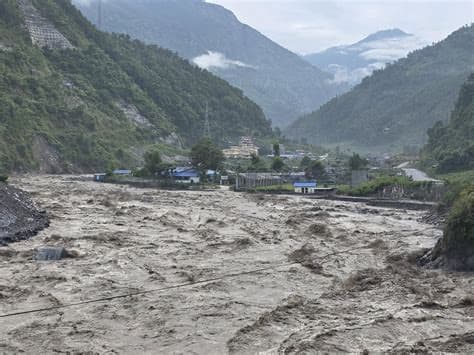
Emergency services across Greece responded to widespread flash flooding after severe weather swept through multiple districts, triggering transportation disruptions, infrastructure damage, and urgent rescue operations. Authorities deployed firefighting units, rescue crews, and civil protection teams as floodwaters surged through urban neighborhoods and low-lying communities affected by intense rainfall.
Officials reported numerous incidents involving stranded motorists, inundated homes, and blocked roadways as drainage systems struggled beneath the sudden volume of water. Rescue teams worked through dangerous conditions to evacuate residents trapped inside vehicles and ground-floor apartments while emergency hotlines received hundreds of calls linked to flooding-related emergencies.
In several districts, public transportation services were suspended after roads became impassable beneath rapidly rising water. Witnesses described vehicles drifting through flooded avenues while mud and debris swept across intersections normally crowded with commuters. Some schools and municipal facilities temporarily halted operations as authorities assessed safety risks tied to continuing weather instability.
The flooding arrived during a period of increasing environmental concern across southern Europe, where extreme rainfall events have intensified in frequency over recent years. Meteorologists monitoring the situation noted that warmer atmospheric conditions can contribute to concentrated storms capable of releasing enormous volumes of rainfall within short periods, overwhelming aging urban infrastructure in densely populated regions.
For residents, the disruption unfolded through familiar scenes repeated across flood-prone cities worldwide — neighbors carrying belongings upstairs, emergency lights reflecting against standing water, and families waiting anxiously for updates while rain hammered rooftops through the night. The chaos rarely appeared dramatic all at once. Instead, it spread gradually through blocked roads, darkened buildings, and the uncertainty surrounding what might come next.
Emergency personnel remained active across affected districts as weather agencies continued monitoring additional storm systems moving near coastal and inland regions. Civil protection officials warned residents to avoid travel through vulnerable areas while engineers inspected bridges, drainage corridors, and damaged infrastructure impacted by floodwaters and debris flow.
Observers noted that Greece has faced repeated climate-related disasters in recent years, including wildfires, heatwaves, and severe flooding events affecting both mainland and island communities. The combination of dense urban development, mountainous terrain, and volatile weather patterns has increased pressure upon emergency systems tasked with responding to increasingly unpredictable environmental conditions.
By evening, authorities confirmed that emergency operations would continue across affected districts while damage assessments and recovery planning moved forward. Weather monitoring agencies stated that localized flood risks could remain elevated as unstable conditions persist throughout portions of the region.
Published by Banx Network. This article is part of the Banx decentralized media programme, powered by the BXE token on the XRP Ledger.