
Key Highlights
- Ongoing recovery efforts in Caribbean communities affected by Hurricane Melissa.
- Significant damage to infrastructure, housing, and local economies.
- Climate experts warn of increasing storm intensity due to climate change.
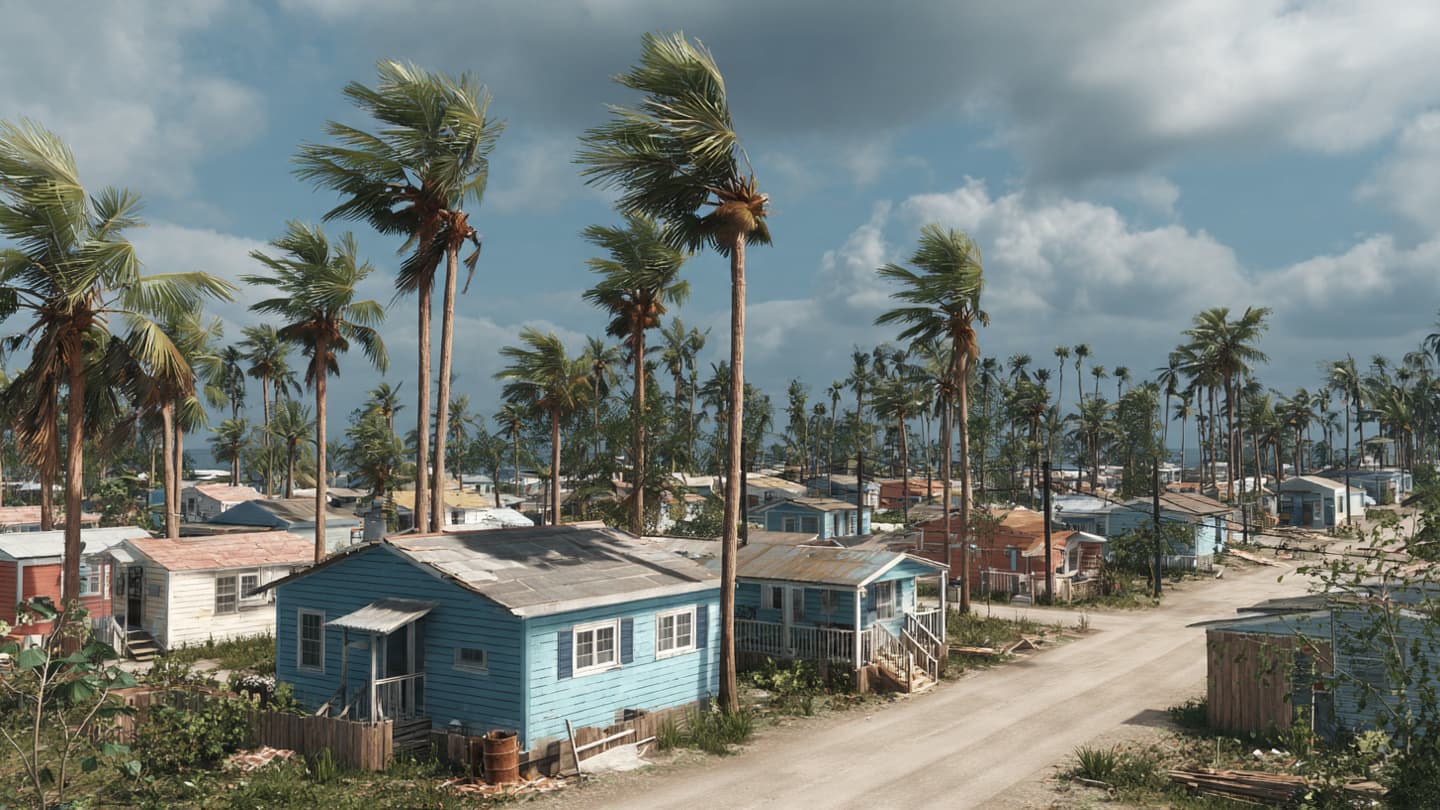
Months after Hurricane Melissa swept through the Caribbean, the region continues to grapple with the aftermath of one of its most destructive storms. While the ocean has calmed, the scars of the hurricane remain evident in the form of damaged homes, disrupted lives, and a slow, arduous recovery process. Emergency agencies report that many communities are still facing challenges related to housing displacement, utility restoration, and economic recovery.
The hurricane wreaked havoc across coastal areas, where powerful winds and storm surges caused extensive damage to homes, ports, roads, and public facilities. Although emergency rescue operations concluded weeks ago, reconstruction efforts are ongoing. Thousands of residents are still navigating unstable living conditions, with many relying on temporary shelters and aid distribution centers that remain operational in heavily affected areas.
Officials involved in recovery projects have indicated that efforts are primarily focused on restoring essential infrastructure, including transportation corridors, electricity systems, and water supply networks. However, progress has been uneven, particularly in smaller island communities where damaged ports and disrupted supply routes have complicated recovery logistics. The challenges of rebuilding are compounded by the region's vulnerability to future storms, as climate change continues to intensify weather patterns.
For many residents, the recovery process has been marked by small, incremental steps rather than dramatic transformations. Families are repairing their homes one section at a time, while fishing boats are gradually being returned to damaged docks. Schools are reopening, albeit partially, and neighborhoods are relying on generators as power grids remain unreliable. The lingering effects of the storm have settled into daily life, creating a new normal that is both challenging and resilient.
Environmental observers have raised alarms about the increasing frequency and intensity of Atlantic storms, which pose a growing threat to Caribbean nations. Climate experts warn that rising ocean temperatures are likely to contribute to more severe storms capable of inflicting catastrophic damage in a short time frame. This reality underscores the urgent need for comprehensive climate resilience planning as the region prepares for future hurricane seasons.
Aid organizations working throughout the Caribbean have highlighted the long-term economic challenges that accompany recovery efforts. The tourism sector, agricultural production, and local fisheries have all suffered significant setbacks, straining economies that are already vulnerable to the impacts of severe weather. Many communities are heavily reliant on international assistance and regional coordination programs aimed at supporting housing and infrastructure restoration.
Despite the myriad challenges, moments of resilience are emerging across the affected islands. Volunteers are distributing supplies, and construction crews are working diligently beside collapsed seawalls and damaged roads. Evening markets are slowly reopening in some towns, helping to restore a sense of normalcy in areas that were once overwhelmed by the storm's fury.
Authorities have confirmed that reconstruction and humanitarian support operations will persist across the impacted Caribbean regions. Recovery agencies are actively assessing remaining infrastructure and housing needs, while officials are also reviewing additional climate resilience measures to better prepare for future storms. The road to recovery may be long, but the determination of the Caribbean people remains steadfast as they rebuild their lives and communities.
Published by Banx Network. This article is part of the Banx decentralized media programme, powered by the BXE token on the XRP Ledger.



