
Key Highlights
- Recent Israeli strikes target areas around Tehran amid ongoing tensions.
- Donald Trump pauses potential actions against Iran's energy sector.
- The situation reflects a complex interplay of military and political dynamics.
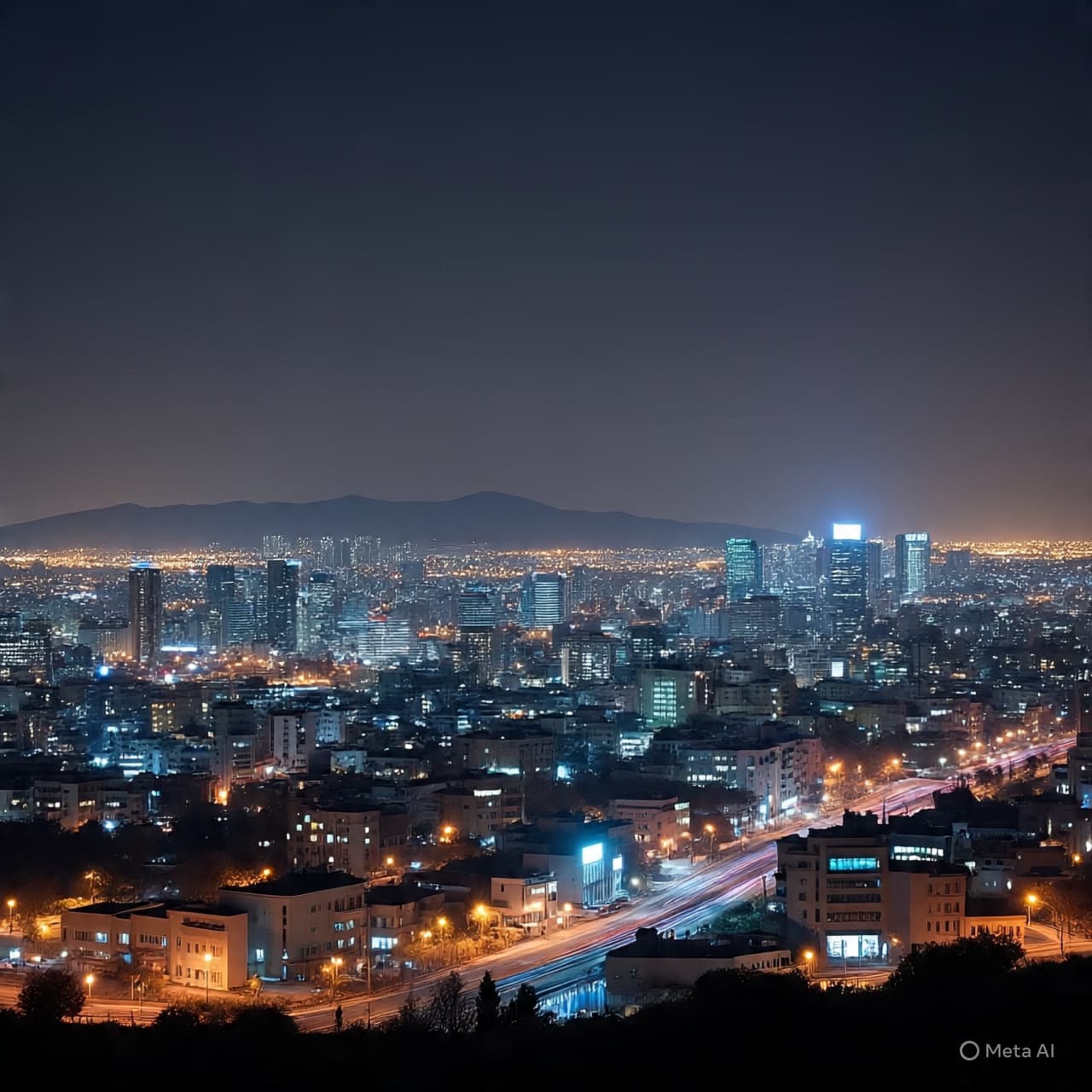
In the heart of Tehran, the night carries a unique stillness, punctuated by the distant hum of traffic and the glow of apartment windows. This tranquility, however, is overshadowed by a growing tension as recent events unfold. Israel has launched a series of strikes targeting locations in and around Tehran, actions that are part of a broader pattern of military engagement in the region. These strikes, while described cautiously by officials, signify a continuation of hostilities that often transpire away from the public eye, leaving behind a trail of uncertainty and fear.
Simultaneously, a significant political development has emerged from the United States. Former President Donald Trump has indicated a pause in potential military actions aimed at Iran's energy infrastructure. This decision introduces a moment of recalibration in U.S. policy, suggesting a shift towards restraint or a reassessment of the timing and implications of such actions. In a region where military actions can have immediate and far-reaching consequences, even a pause carries substantial weight.
The juxtaposition of these developments creates a landscape marked by contrasts. On one side, there is the movement of military strikes, executed with precision and intent. On the other, there is the stillness of announced restraint, leaving open the question of what may follow. This dynamic creates a rhythm that is neither fully escalating nor entirely calming, but rather exists in a state of tension and uncertainty.
For Iran, the recent strikes represent both immediate disruption and a continuation of a longer narrative of conflict and resilience. The country's strategic posture, shaped by years of regional engagement and internal priorities, absorbs these moments into a broader framework of response. Publicly, Iranian officials often respond with measured statements, balancing acknowledgment of the strikes with the need to maintain stability and public morale.
In Israel, the strikes align with a security strategy that emphasizes preemption and deterrence. While the logic behind these actions is not always articulated explicitly, it is understood within the context of ongoing regional tensions. Each strike becomes part of a larger dialogue conducted through military action rather than diplomatic discourse, reflecting a commitment to addressing perceived threats before they materialize.
The United States finds itself navigating a complex role between involvement and distance. Trump's pause on energy-related actions introduces ambiguity into U.S. policy, suggesting caution even as broader dynamics remain active. This situation serves as a reminder that policy in such contexts is rarely straightforward, often influenced by immediate events and longer-term strategic considerations.
Amid these geopolitical maneuvers, the human dimension persists quietly in Tehran. Daily life continues as markets open and conversations unfold, adapting to the new reality shaped by military actions. The presence of strikes alters the fabric of ordinary life, infusing it with a subtle awareness of the surrounding tensions. As the situation evolves, clarity remains elusive, shaped by statements, reports, and the careful interpretation of events that are not always fully visible.
As night gives way to morning, the city of Tehran awakens to a new day. The streets may appear unchanged, but the atmosphere is charged with the weight of recent events. Within this returning light, the region continues its quiet negotiation between movement and pause, between what has transpired and what may yet unfold.
Published by Banx Network. This article is part of the Banx decentralized media programme, powered by the BXE token on the XRP Ledger.



