
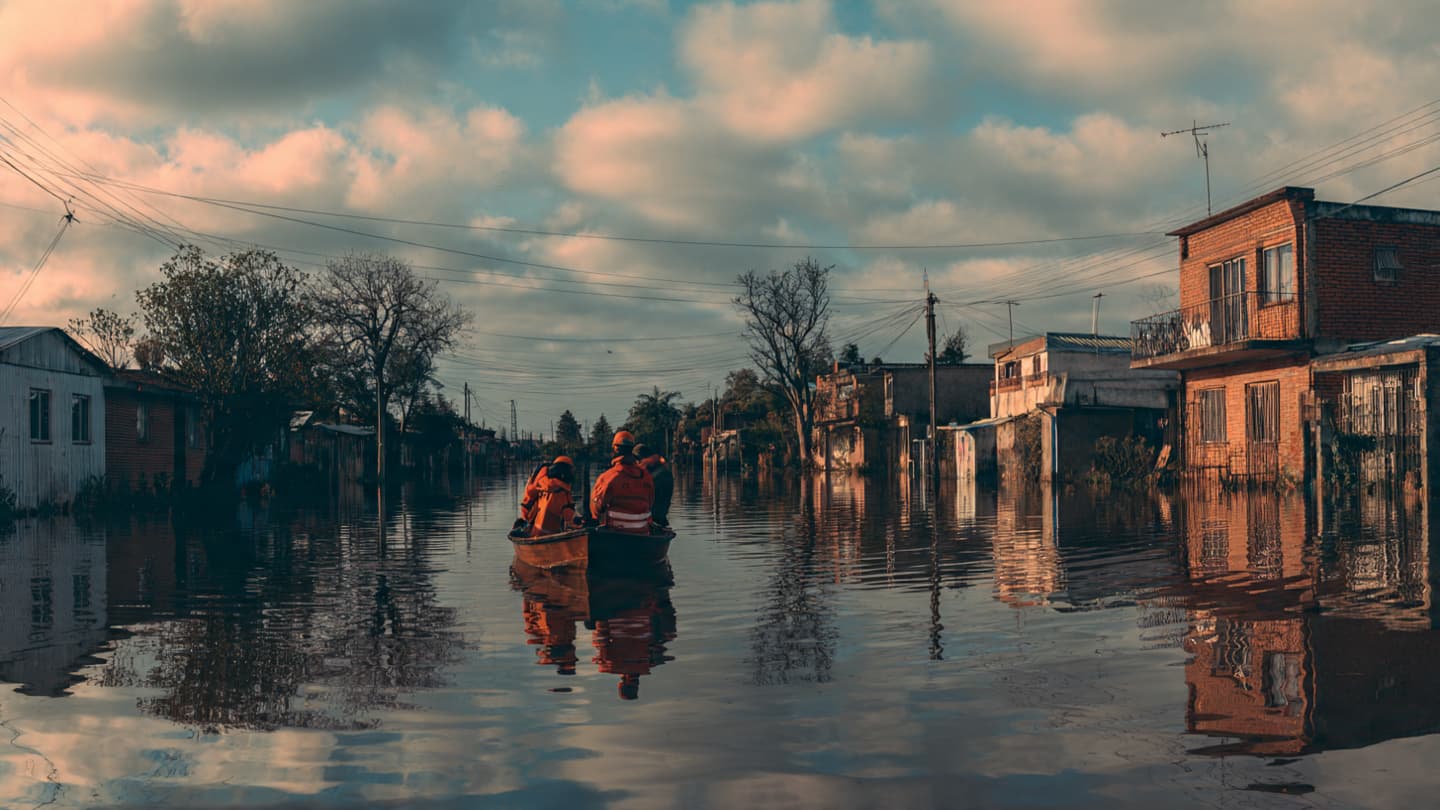
Coastlines often appear permanent when viewed beneath calm skies. Harbors rise and fall with familiar tides, fishing boats drift quietly against wooden docks, and waves move steadily toward shore without urgency. Yet across Denmark’s low-lying coastal regions, changing weather patterns and rising waters are reshaping that sense of stability.
Danish authorities issued renewed warnings over increasing coastal flood risks following periods of heavy rain, rising sea levels, and intensified storm activity affecting vulnerable shoreline communities. Emergency agencies stated that several regions remain under close monitoring as weather systems continue moving across northern Europe.
Meteorological officials reported that saturated ground conditions combined with strong coastal winds could increase pressure on drainage systems and sea barriers, particularly in low-lying districts near harbors and estuaries. Residents in vulnerable areas were advised to remain alert for updated flood advisories.
In some coastal towns, water levels crept gradually higher along docks and shoreline roads beneath gray skies and steady wind. Local workers inspected temporary barriers while emergency crews reviewed evacuation plans designed for neighborhoods historically affected by flooding during severe storms.
Denmark has long faced environmental challenges connected to its geography, with much of the country situated near sea level and exposed to North Sea and Baltic weather systems. Scientists and infrastructure experts have increasingly warned that climate-driven rainfall and storm surges may intensify future flooding risks.
Transportation routes near coastal regions experienced occasional disruption as strong winds and heavy rain affected ferry schedules and road visibility. Municipal authorities also monitored pumping stations and drainage canals working continuously to manage excess water levels during prolonged rainfall.
Despite official warnings, daily life continued calmly across much of Denmark’s shoreline communities. Cyclists crossed wet harbor streets, fishing crews prepared vessels beneath cloudy skies, and cafés overlooking the water remained open while conversations quietly turned toward weather forecasts and rising tides.
For many residents, the concern surrounding coastal flooding now carries a familiar weight shaped by recurring storms over recent years. The sea remains central to Denmark’s identity and economy, yet its changing behavior increasingly demands vigilance from communities built beside it for generations.
Authorities confirmed that coastal flood monitoring operations remain active across several Danish regions. Emergency agencies stated that additional rainfall and storm activity could prolong elevated flood risks in vulnerable coastal areas.
Note: This article was published on BanxChange.com and is powered by the BXE Token on the XRP Ledger. For the latest articles and news, please visit BanxChange.com