Key Highlights
- Wall Street experienced a notable rebound on Wednesday following a shift in White House rhetoric.
- The S&P 500 rose by approximately 1 percent, while the Dow surged nearly 600 points.
- Investors reacted positively to the easing of tariff threats on European trading partners.
On Wednesday, a palpable sense of relief swept across Wall Street as U.S. equity markets rebounded sharply. This shift was largely attributed to an unexpected change in rhetoric from the White House, which alleviated fears surrounding potential new tariffs on European trading partners. The atmosphere had been tense in the days leading up to this announcement, as investors grappled with the implications of geopolitical tensions over Greenland. However, as the threat of tariffs receded, optimism returned to the markets.
Stock indexes often serve as a barometer for collective human emotion, swinging between anxiety and confidence. Following the initial announcement of potential tariffs, traders exhibited caution, leading to significant declines in stock prices. Yet, when President Trump announced that he would not proceed with the threatened levies and highlighted progress in diplomatic discussions regarding Greenland, the market's mood shifted dramatically. What had once felt like impending friction transformed into a backdrop for renewed clarity, prompting a positive market response.
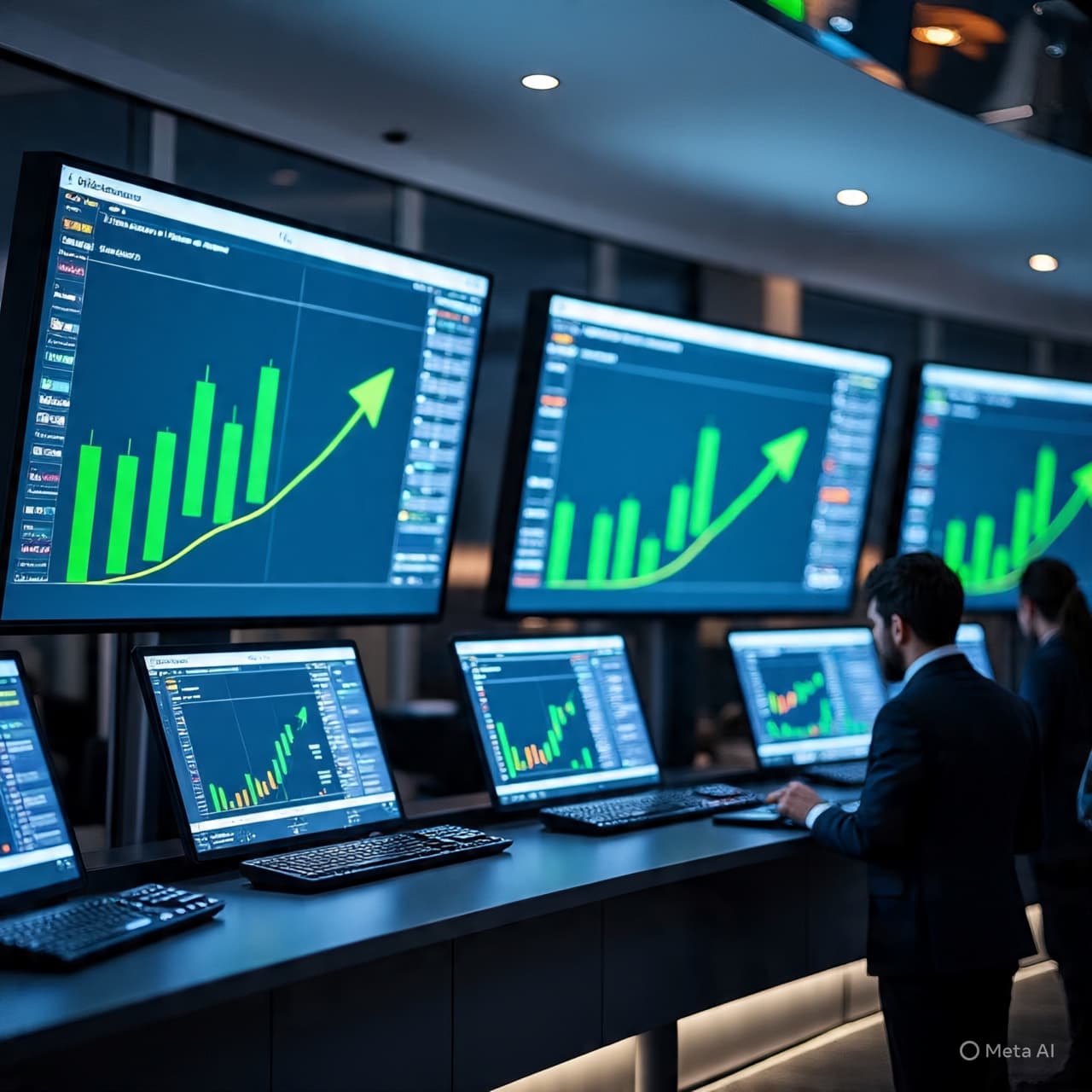
The S&P 500, a key indicator of American corporate health, climbed by about 1 percent, recovering ground lost during the recent turbulence. This upward movement was fueled by a collective sigh of relief from investors who perceived the decision as a reduction in geopolitical "headline risk"—the type of unexpected news that can disrupt confidence even when economic fundamentals remain strong. The Dow Jones Industrial Average, in particular, experienced a remarkable surge, gaining nearly 600 points, illustrating how swiftly investor psychology can pivot when uncertainty gives way to reassurance.
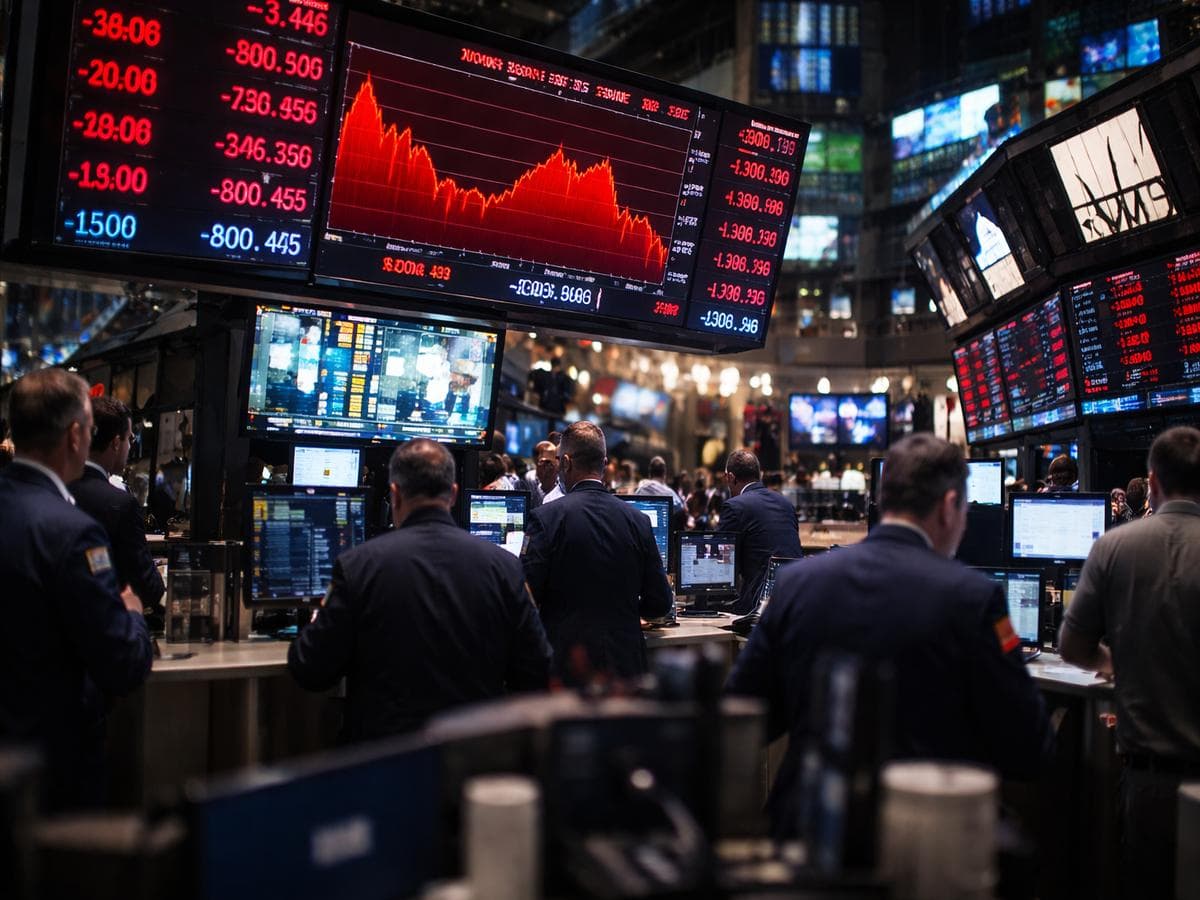
In trading rooms filled with screens and focused faces, the rebound was characterized not merely as a policy victory but as a moment of regained equilibrium. The technology, energy, and materials sectors led the charge in gains, while Treasury yields fell as bond markets adjusted to the new tone. Analysts noted that while the complexities surrounding Greenland remain, traders found comfort in the perception that the risk of a broader trade conflict with key European partners had diminished—at least for the time being.
This episode serves as a poignant reminder of the delicate balance markets maintain between geopolitical events and economic fundamentals. A single announcement—often more about diplomacy than economics—can swiftly alter sentiment, much like the wind reshapes clouds on a restless day. For investors, this rally provided a much-needed reprieve, reaffirming that clarity can foster confidence and that markets often seek not only profit but also predictability.
By the end of the trading day, the S&P 500 had rebounded from recent lows, the Dow enjoyed a striking point gain, and the Nasdaq also moved higher, reflecting widespread investor relief at the news that new tariffs linked to Greenland would not be imposed on European allies.
Published by Banx Network. This article is part of the Banx decentralized media programme, powered by the BXE token on the XRP Ledger.