
Key Highlights
- Wildfire ignites near Kotor cliffs, prompting emergency response.
- Firefighters face challenging terrain and high winds in containment efforts.
- Local businesses assist with water tankers to support firefighting efforts.
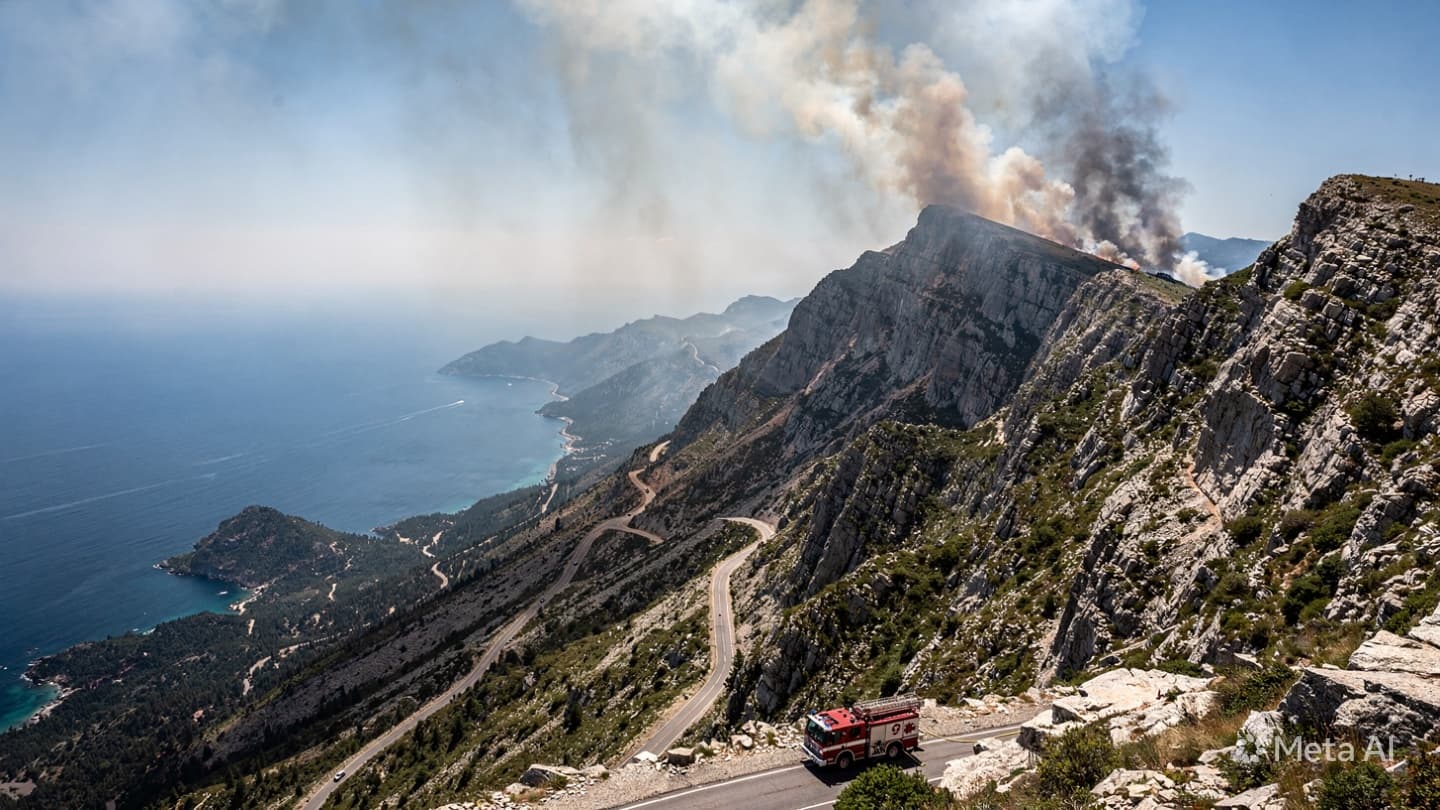
A wildfire has erupted in the rugged terrain of the Kotor cliffs, a region known for its stunning limestone formations and rich biodiversity. The fire, which began in the late summer heat, poses a significant threat to both the natural landscape and the historical sites nestled within the area. As flames began to rise from the slopes of Lovćen, local authorities quickly mobilized emergency services to combat the blaze.
Reports from the local news agency Vijesti highlighted the urgency of the situation as firefighters from the Cetinje and Kotor protection services rushed to the scene. The steep and rocky cliffs present a formidable challenge for firefighting efforts, as traditional methods of extinguishing flames are rendered ineffective in such inaccessible locations. Firefighters were forced to carry heavy equipment on foot, navigating treacherous paths while smoke obscured their visibility.
The battle against the wildfire is not just a test of physical endurance but also a strategic challenge. The wind, which funnels through the deep bays and canyons, has exacerbated the situation, reviving dying embers and spreading the fire further into the dry brush. Firefighters have focused their efforts on creating defensive perimeters around historical structures located on the lower slopes, aiming to protect these cultural landmarks from the advancing flames.
As night fell, the fire's intensity became more apparent, illuminating the cliffs with a stark orange glow. This sight has instilled a sense of anxiety among local residents, many of whom remember the devastating effects of past wildfires. In response, local businesses have stepped in to assist the official firefighting crews, deploying private water tankers to help replenish municipal trucks working tirelessly along the access roads.
The limitations of ground-based firefighting have become increasingly clear, leading to a reliance on aerial support. Emergency commanders have requested the deployment of specialized water-bombing planes and helicopters to tackle the flames from above. However, these aerial resources can only operate during daylight hours, creating a race against time as crews prepare for the next phase of the firefighting effort.
The ecological impact of the wildfire is significant, with the loss of vegetation raising concerns about soil erosion in the coming winter months. Without roots to anchor the soil, heavy rains could wash loose earth down onto coastal highways, posing additional risks to the community. The long-term recovery of the Mediterranean flora will take decades, highlighting the environmental debt incurred with each acre that burns.
The ongoing wildfire near Kotor serves as a stark reminder of the delicate balance between nature and human activity along the Adriatic coast. As firefighters continue their efforts to contain the blaze, the focus remains on protecting both the natural landscape and the historical sites that define the region's identity. The smoke will eventually clear, but the scars left by the fire will take much longer to heal.
The Cetinje and Kotor Protection and Rescue Services have deployed over twenty personnel and six specialized vehicles to combat the wildfire. Emergency commanders confirmed that while no residential structures are currently threatened, the fire remains uncontained due to challenging conditions, including high winds and the rugged terrain of the cliffs.
Published by Banx Network. This article is part of the Banx decentralized media programme, powered by the BXE token on the XRP Ledger.



