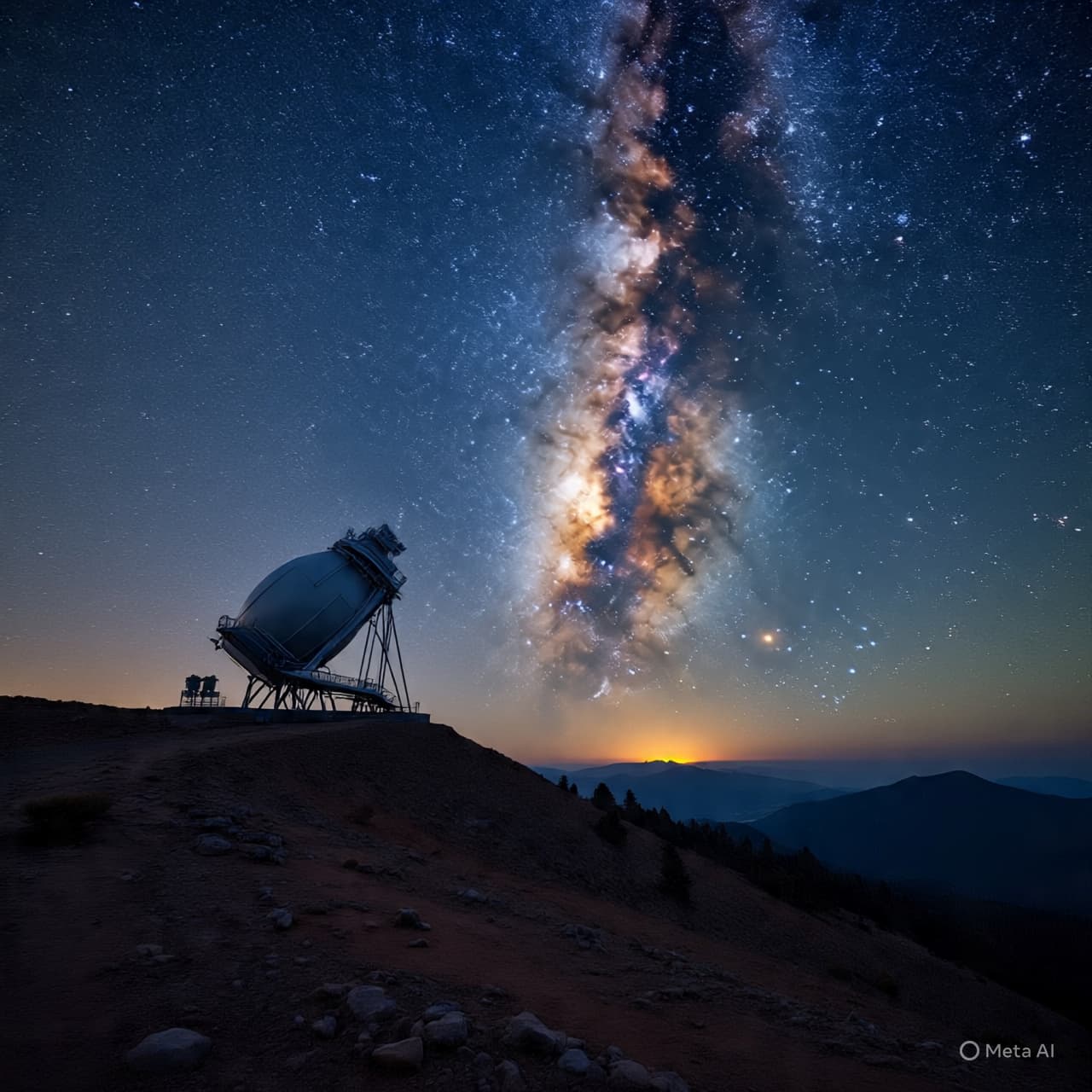
The night sky has long been a quiet companion to human wonder, a canvas where stars whisper secrets in light too faint for us to discern with a casual gaze. Soon, that hush will give way to a steady symphony of cosmic messages — not in sound, but in light, change, and motion. At the heart of this emerging dialogue is a remarkable new sentinel perched atop a Chilean peak: the Vera C. Rubin Observatory. Equipped with the largest digital camera ever constructed and an ingenious alert system, this observatory is poised to unveil the universe’s rhythms in a way humanity has never before experienced.
In recent weeks, the Rubin Observatory began sending out its first real-time astronomical alerts, generating hundreds of thousands of notifications to researchers worldwide. Each alert is a tiny beacon of change in the heavens — the sudden blaze of a distant star’s death, the subtle drift of an asteroid through space, or the flicker of a distant galaxy’s core. What feels like stillness to the casual observer is, in truth, a vibrant, ever-shifting tapestry of celestial events waiting to be noticed.
This new observational era rests on the forthcoming Legacy Survey of Space and Time (LSST), a ten-year mission that will choreograph nightly scans of the entire southern sky. As Rubin captures the heavens in a cadence of images, it will assemble an unprecedented time-lapse record of millions of changing objects, far beyond what prior observatories could achieve. Rubin’s vast detector will not only record faint, distant galaxies, but also transient phenomena — objects and events that appear and transform rapidly over hours, days, or months.
Already in its first scientific operations, the observatory’s alerts exceeded expectations, revealing a remarkable number of targets of interest in just one night. Tens of thousands of new galaxies, thousands of previously unknown asteroids, and other dynamic cosmic events have been identified, signaling the beginning of a data revolution in astronomy. In time, astronomers expect Rubin to detect millions of objects, including near-Earth asteroids, variable stars, supernovae, and clues about the universe’s mysterious dark matter and dark energy.
This flood of data will not overwhelm researchers, because advanced data processing systems and collaborative networks of observatories stand ready to interpret and follow up on these alerts. Just as a river nourishes its banks, Rubin’s stream of information will nourish scientific inquiry, enabling telescope teams around the world to focus quickly on rare and fleeting phenomena before they vanish.
In its quiet watch over the cosmos, Rubin reminds us that discovery often begins with attentive observation — the gentle act of seeing change where once we saw only constancy. Over the coming decade, as the observatory unfurls its tapestry of stellar motion and cosmic event, that steady vigilance promises insights not only about distant galaxies and wandering asteroids, but about the very nature of the universe itself.
In practical terms, Rubin’s operational milestones are more than scientific milestones; they are invitations to see the sky as interactive, not static. The legacy of the observatory will be measured in the dynamic stories it reveals — the birth and death of stars, the dance of distant worlds, and the ever-changing interplay of cosmic forces.
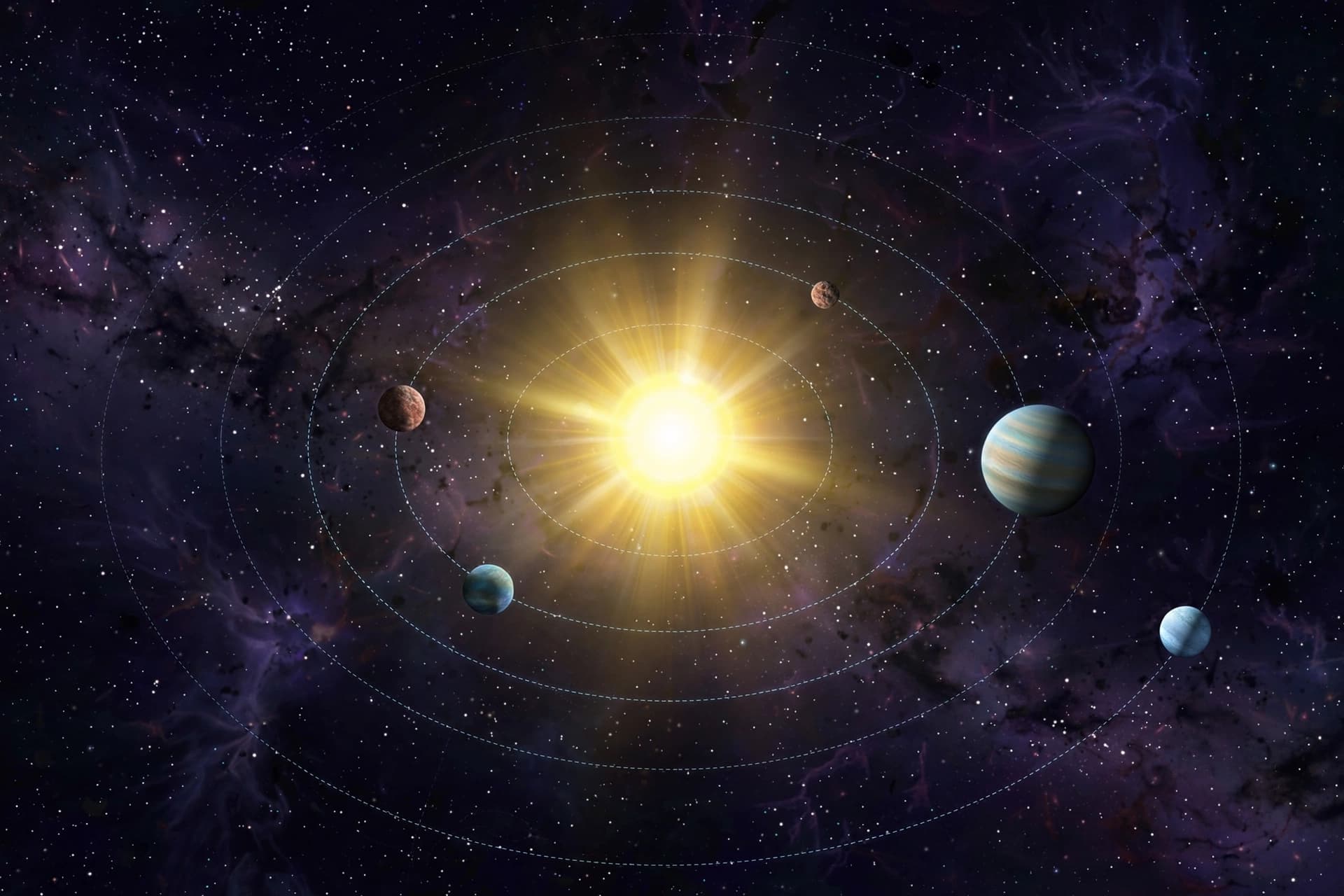
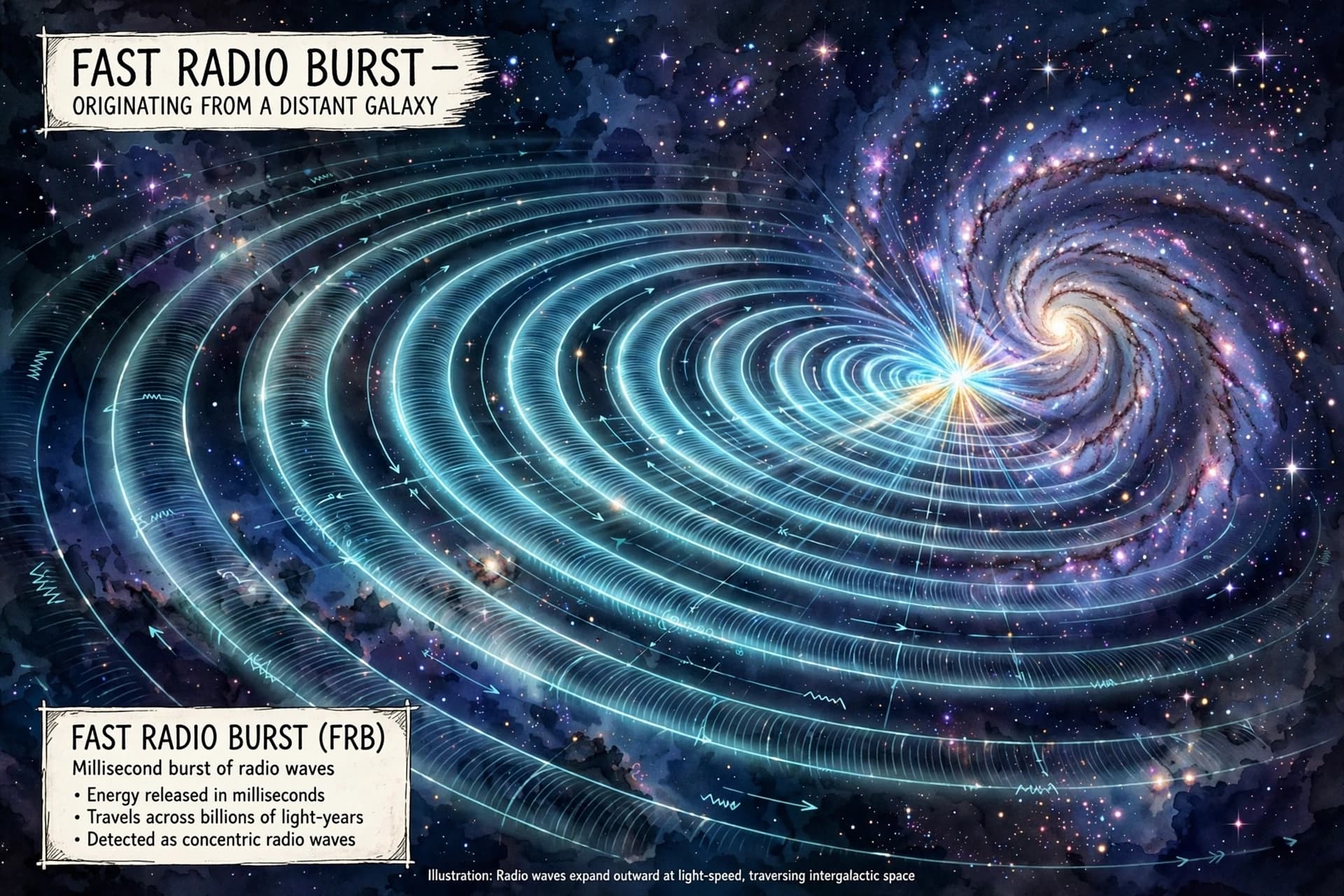
AI Image Disclaimer “Illustrations were produced with AI and serve as conceptual depictions.”
Source Check — Credible Mainstream/Niche Sources Exist Here are reliable sources reporting on the Vera C. Rubin Observatory and its expected flood of astronomical discoveries:
NSF (National Science Foundation) — official observatory launch and alerts details. LiveScience — in-depth reporting on observatory alerts and discovery potential. Modern Sciences — overview of Rubin’s survey scope and data expectations. National Geographic — article on Rubin’s wide-field survey and science goals. CNN — coverage of first images and asteroid discoveries.
Published by Banx Network. This article is part of the Banx decentralized media programme, powered by the BXE token on the XRP Ledger.