
Key Highlights
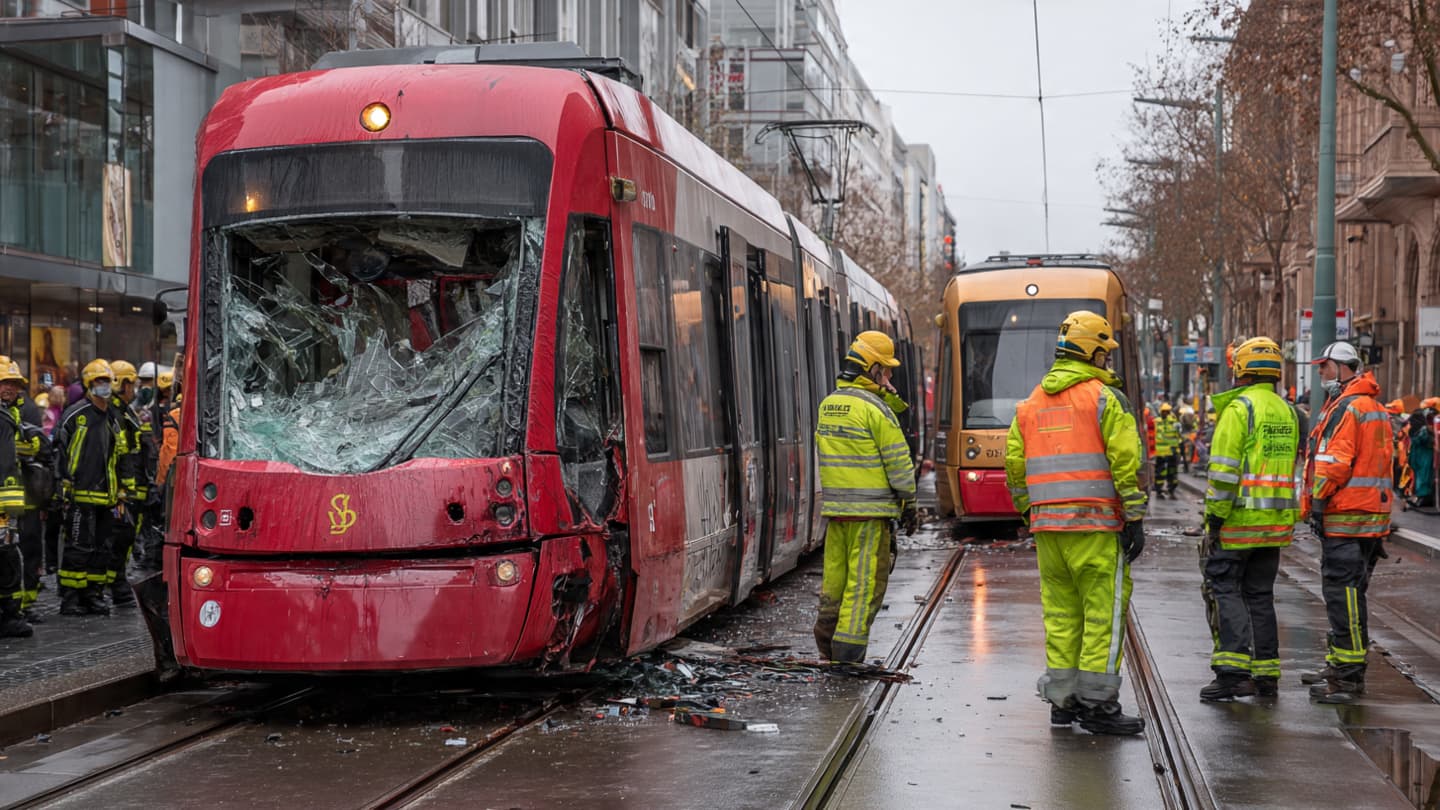
- Incident:A streetcar collision in Düsseldorf injured dozens of passengers.
- Response:Emergency crews quickly arrived to assist the injured and manage the scene.
- Investigation:Authorities are examining the cause of the crash, including technical failures.
The morning routine in Düsseldorf typically unfolds with a sense of order, as streetcars glide smoothly along their routes, and commuters gather at platforms ready to start their day. However, this week, that routine was shattered when a violent collision between streetcars left dozens injured and disrupted the city's public transportation system.
The crash occurred during the busy morning commute near a major transit corridor, where two streetcars collided, resulting in significant damage and chaos. Eyewitnesses reported a loud metallic crash that echoed through the area, followed by scenes of confusion as passengers attempted to escape the damaged vehicles. Emergency responders arrived promptly, navigating through the wreckage to assist those trapped inside.
Authorities confirmed that injuries ranged from minor to severe, with several individuals requiring hospitalization. Emergency services established triage zones at the crash site, where paramedics treated the injured and transported them to local hospitals. The incident led to the suspension of several transit lines, causing widespread disruption as commuters sought alternative routes during peak hours.
Düsseldorf's public transportation network is vital for the city's daily operations, serving thousands of residents and visitors. The collision not only affected those directly involved but also created a ripple effect throughout the city as people scrambled to adjust their travel plans. The incident raised concerns about the reliability of urban transit systems, which are generally regarded as safe and efficient in Germany.
In the aftermath of the collision, investigators began examining the circumstances surrounding the crash. Transport authorities are reviewing black box data and surveillance footage to determine if technical failures or operational errors contributed to the incident. The findings of this investigation will be crucial in understanding how such a serious accident could occur in a system known for its safety.
As cleanup operations progressed, sections of the affected area began to reopen, allowing businesses to resume operations and commuters to return to their routines. However, the memory of the collision lingered in the minds of those who witnessed the chaos unfold. Residents gathered behind emergency barriers, observing the recovery efforts while reflecting on the importance of safety in urban transit.
Officials have confirmed that investigations are ongoing, and they are committed to ensuring that such incidents are thoroughly examined to prevent future occurrences. The collision in Düsseldorf serves as a stark reminder of the potential dangers associated with public transportation, prompting discussions about safety measures and operational protocols in urban transit systems across Germany.
As the city moves forward, the focus will remain on supporting those affected by the accident and ensuring that the public transportation network continues to operate safely and efficiently.
Published by Banx Network. This article is part of the Banx decentralized media programme, powered by the BXE token on the XRP Ledger.



