The highways are already awake when markets begin to stir. Long before opening bells and blinking tickers, trucks slide through predawn light, their trailers catching the first hint of color on the horizon. It is a familiar rhythm—rubber, diesel, distance—one that has shaped the logistics industry for generations. This week, that rhythm was interrupted not on the road, but on screens.
Shares in several trucking and logistics firms slid after the launch of a new artificial intelligence–driven freight tool, a digital entrant promising to rethink how loads are priced, routed, and matched. Investors reacted quickly, as markets tend to do when old margins meet new math. The sell-off was less about immediate losses than about anticipation: what happens when algorithms begin to negotiate terrain once governed by relationships and experience?
The tool, unveiled by Uber Freight, aims to automate decisions that traditionally required layers of brokers, dispatchers, and phone calls. By using real-time data to predict demand and optimize pricing, it suggests a future where freight moves with fewer pauses and thinner spreads. For shippers, that efficiency is alluring. For established carriers and intermediaries, it raises quieter questions about bargaining power and relevance.
Markets, ever sensitive to the possibility of compression, registered that unease. Trucking stocks dipped as analysts weighed the prospect of increased competition and downward pressure on rates. Logistics firms, already navigating higher costs and cyclical demand, suddenly faced a narrative shift—from managing trucks and warehouses to competing with code that never sleeps.
Yet the reaction also revealed something familiar. The freight industry has weathered waves of innovation before, from containerization to GPS tracking to digital marketplaces. Each arrival promised disruption; most delivered adaptation instead. Human judgment did not vanish—it repositioned itself, learning to work alongside systems that could see farther, faster.
Inside dispatch offices and distribution centers, the response was more measured than the market’s initial jolt. Technology, after all, rarely replaces movement; it rearranges it. AI tools may accelerate matching and forecasting, but steel still rolls on asphalt, and delays still happen in weather and traffic. The physical world resists total abstraction.
As trading sessions closed and shares settled lower, the broader picture came into view. The plunge was a signal, not a verdict—a reminder that investors are recalibrating expectations as logistics edges closer to software. The roads remain full, the warehouses lit, the goods in motion. What has shifted is the lens through which that motion is valued, and the quiet understanding that the next turn in the industry may be written as much in lines of code as in miles traveled.
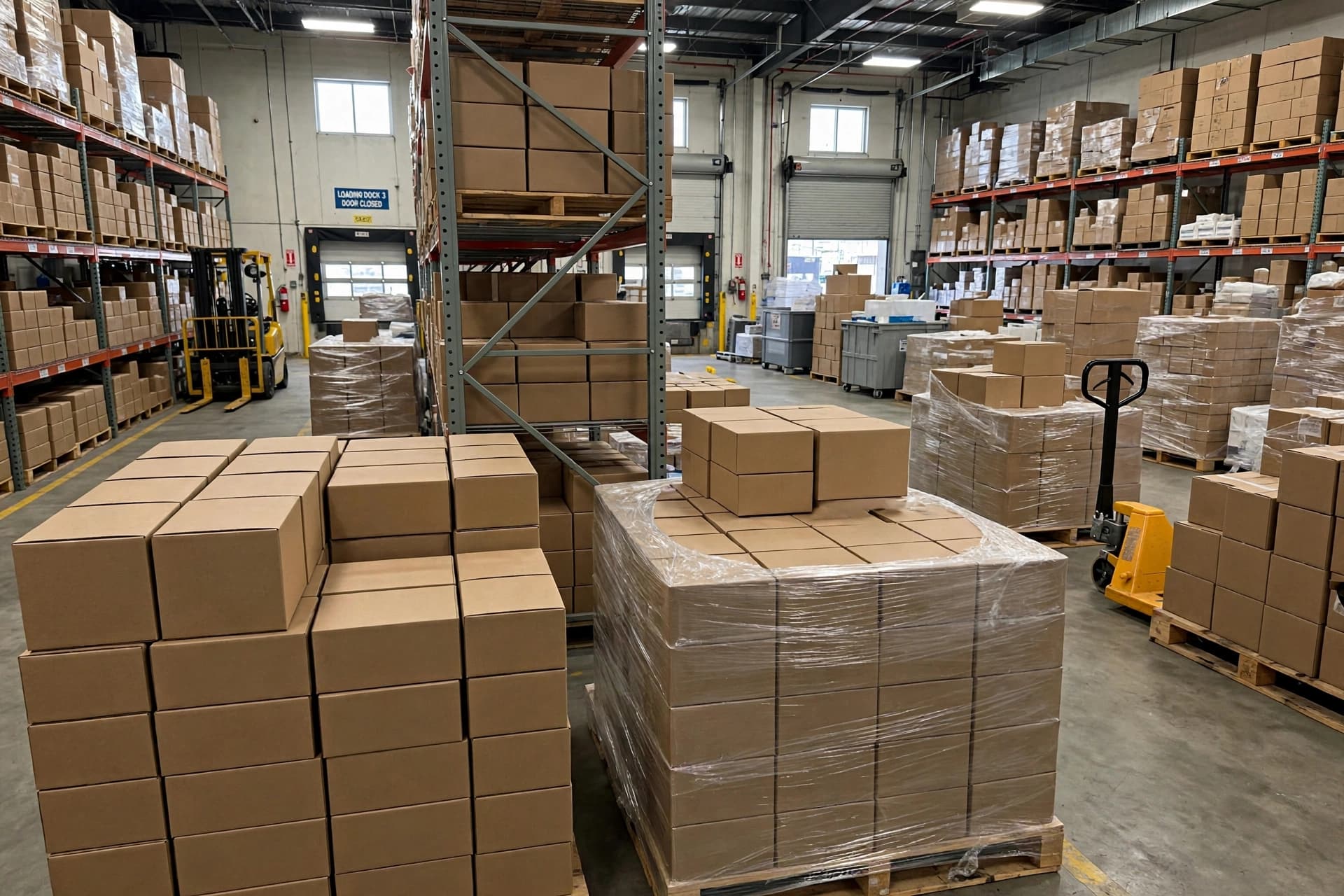
AI Image Disclaimer Visuals are AI-generated and serve as conceptual representations.
Sources Reuters; Bloomberg; The Wall Street Journal; Financial Times
Published by Banx Network. This article is part of the Banx decentralized media programme, powered by the BXE token on the XRP Ledger.