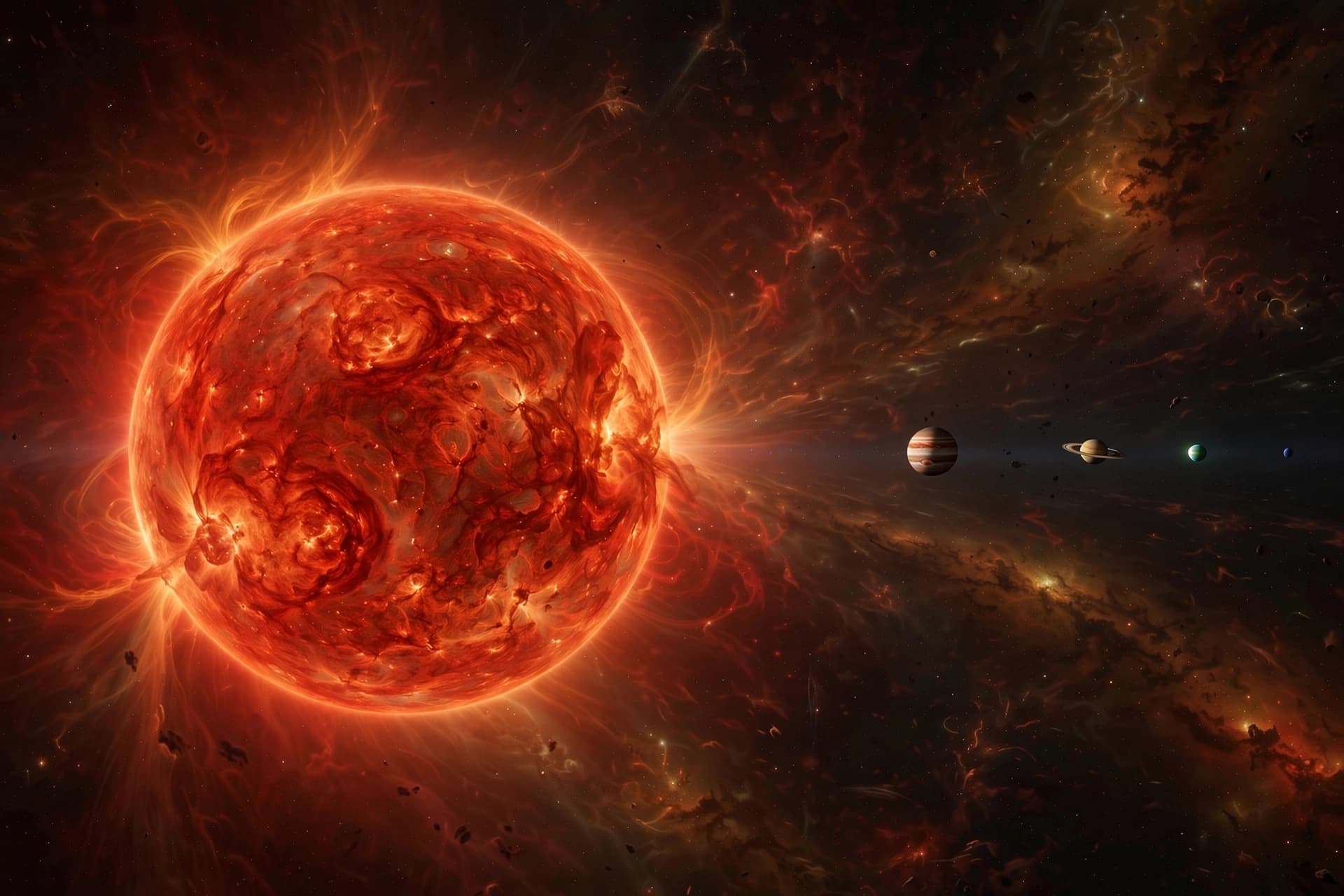
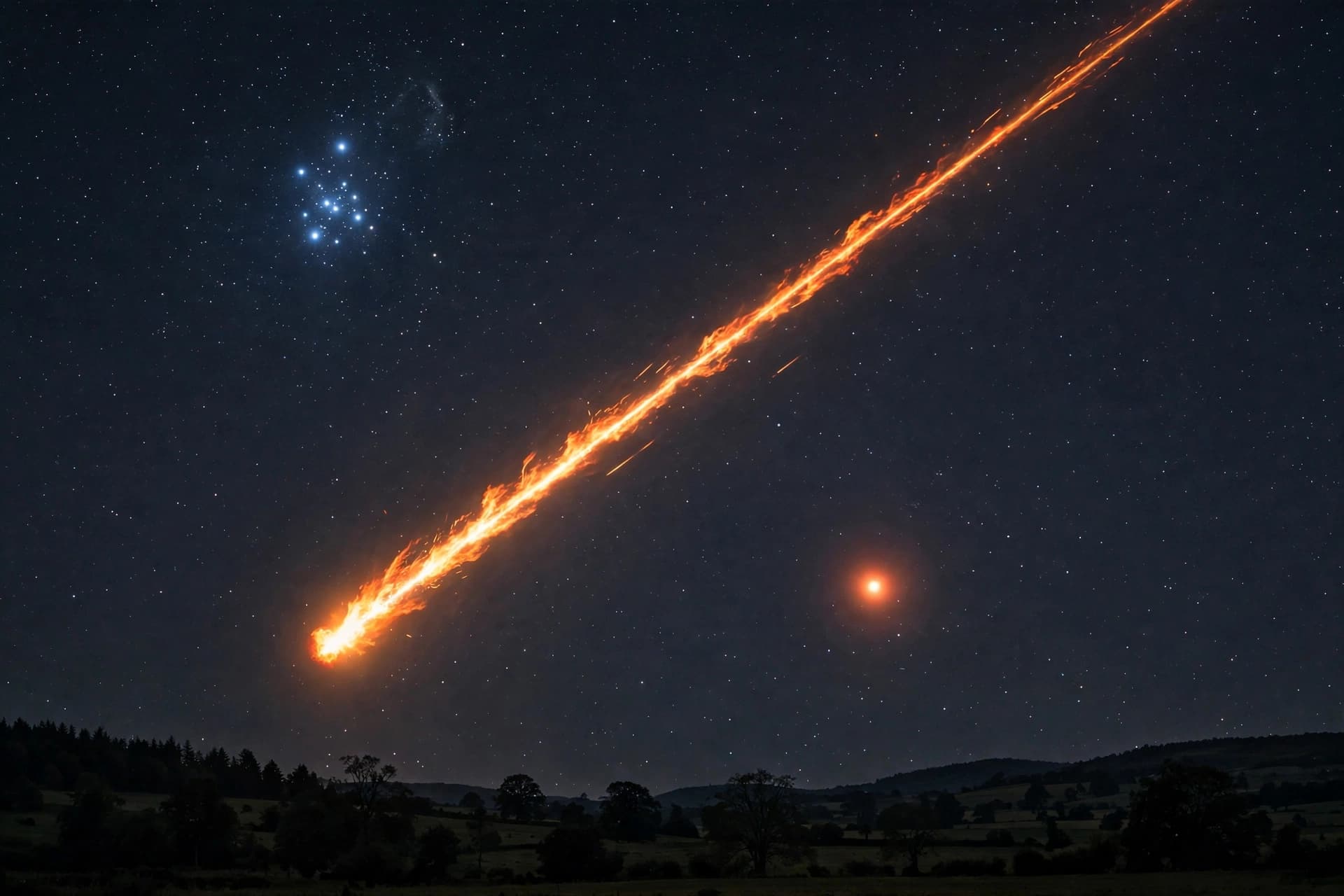
In the quiet hum of the universe, where starlight drifts for eons before brushing the lens of our instruments, an anomaly flickered—brief, tantalizing, and unconfirmed. A planet, Earth-like in its promise, seemed to wink at astronomers across the void, as if reminding us that somewhere, perhaps, another story unfolds under twin suns or unfamiliar skies. Yet, as quickly as it appeared, it vanished, leaving only the echo of possibility.
Scientists sifted through streams of data, charts and graphs forming patterns that teased at order in the cosmic noise. Instruments calibrated, algorithms rechecked, and still, the signal remained ephemeral—a reminder of how fragile our grasp of the heavens truly is. In the end, it might have been nothing but a quirk of sensors, a blip lost in the machinery of observation. Still, the imagination cannot help but wander: if it were real, what life might stir beneath alien clouds, and what songs of wind or waves might dance there?
The universe does not rush, and in its patient expanse, such glimpses are rare treasures. Whether another Earth waits in the darkness or the flicker is forever a ghost of data, humanity remains on its vigil, eyes wide, hearts racing at the possibility. Each scan, each telescope, is a quiet act of hope, a testament to our desire to find company in the stars, to know that our solitude might one day meet another.
For now, the mystery hangs between certainty and imagination, a delicate reminder that exploration is as much about wonder as it is about discovery.
AI Image Disclaimer: “Visuals are AI-generated and serve as conceptual representations.”
Sources (names only): NASA, European Space Agency, Kepler Mission Team, Space Telescope Science Institute, Astrophysical Journal
Published by Banx Network. This article is part of the Banx decentralized media programme, powered by the BXE token on the XRP Ledger.