Berlin often wears its power lightly. Its wide avenues and orderly façades give little away, even when the country beneath them is restless. Yet politics here has always moved with a particular gravity, as if each decision must justify itself not only to voters but to history. This week, that sense of weight returned to the foreground as Friedrich Merz activated what allies have described as his plan to fix Germany’s drifting center of gravity.
For months, Merz has argued that the country’s problems are no longer abstract. Slowing growth, strained infrastructure, energy insecurity, and public unease over migration have, in his telling, combined into a broader crisis of confidence. His response is a tightly framed agenda that emphasizes economic discipline, state capacity, and a reassertion of political clarity after years of incrementalism. Now, with key proposals set in motion, theory has given way to exposure.
The plan rests on a familiar conservative logic: that Germany’s prosperity depends on competitiveness restored through regulatory reform, incentives for investment, and firmer fiscal boundaries. Merz has signaled a willingness to revisit assumptions that once defined the post-crisis consensus, including the balance between social protection and market flexibility. Supporters see overdue realism. Critics see a narrowing of Germany’s social compact at a moment when cohesion is already under pressure.
What makes this moment distinctive is timing. Germany is navigating the aftershocks of energy disruption, demographic decline, and geopolitical uncertainty that has redrawn its economic map. Export certainty has weakened. Industrial confidence has frayed. Voters, meanwhile, are less patient with gradual explanations and more receptive to sharp alternatives. Merz’s move is not simply a policy gamble; it is a wager on whether decisiveness itself can restore trust.
Inside his own political camp, expectations are high but fragile. Activating a plan is easier than sustaining it through compromise, coalition arithmetic, and public scrutiny. Germany’s system rewards caution, consensus, and endurance. Any reform that moves too quickly risks resistance not just from opponents but from institutional inertia that has long shaped the republic’s stability.
Beyond party lines, the question is whether repair is still possible through adjustment alone. Germany’s postwar model was built to absorb shocks through moderation and balance. Today’s challenges test whether that model can still stretch without tearing. Merz is betting that clearer priorities and firmer choices can prevent deeper fractures later.
The success or failure of this effort will not be decided in speeches or strategy papers. It will emerge slowly, in budget negotiations, labor markets, energy prices, and voter sentiment that shifts almost imperceptibly before it hardens. For now, Germany is in the early days of an experiment conducted in full view.
Plans have a way of looking strongest at the moment they are launched. After that, reality intervenes. As Merz’s agenda moves from activation to consequence, Germany will learn whether repair can be engineered—or whether the country’s current unease demands something more than a fix.
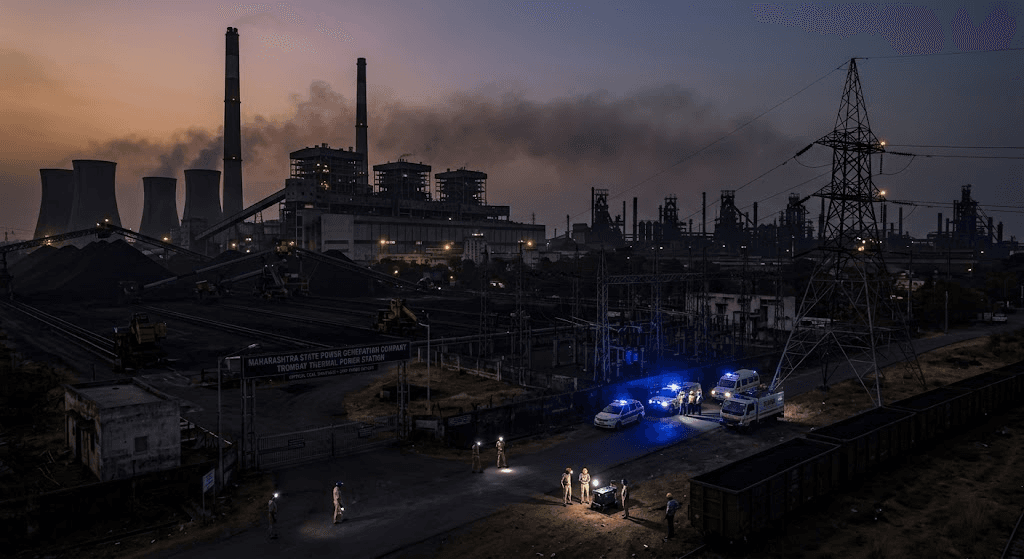
AI Image Disclaimer Visuals are AI-generated and serve as conceptual representations.
Sources Reuters Politico Europe Der Spiegel Financial Times
Published by Banx Network. This article is part of the Banx decentralized media programme, powered by the BXE token on the XRP Ledger.