
Key Highlights
- Climate Change Impact:Shifting weather patterns are affecting tourism in the Swiss Alps.
- Year-Round Options:Operators are expanding travel options beyond winter sports.
- Tourism Evolution:Switzerland's tourism identity is adapting to environmental changes.
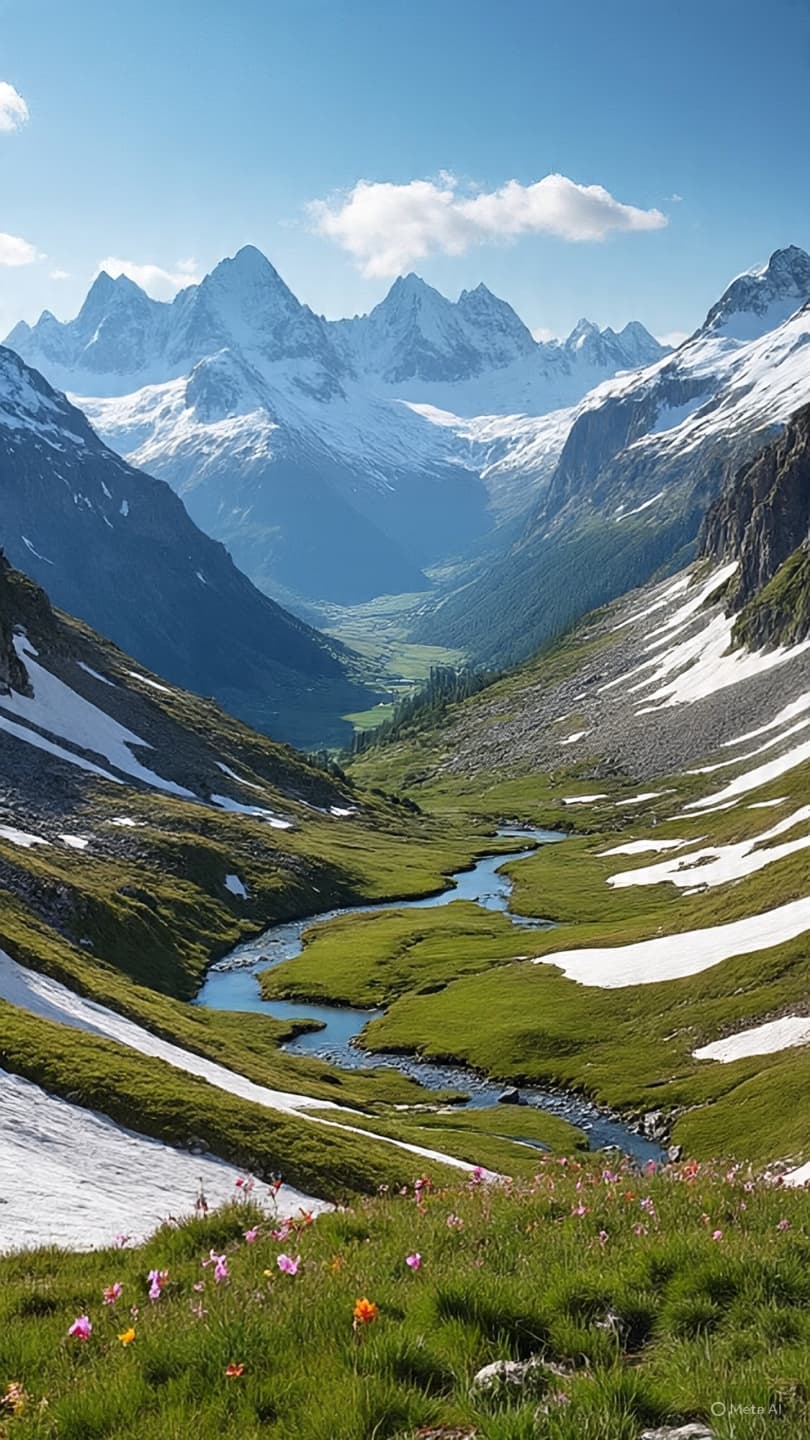
Switzerland’s alpine beauty has long been defined by its steady rhythm of snow, seasons, and carefully preserved landscapes. However, in recent years, subtle shifts in weather patterns have begun to influence how visitors and local communities experience these iconic destinations. Reports from international outlets such as Reuters and The Guardian indicate that changing temperature cycles and irregular snowfall patterns are affecting seasonal tourism flow in mountainous regions. These shifts do not diminish Switzerland’s appeal, but they introduce a new layer of unpredictability to planning outdoor activities.
Tourism operators have responded proactively to these changes by improving forecasting systems and expanding year-round travel options beyond traditional winter sports. Hiking trails, lakeside tourism, and cultural experiences in cities are increasingly promoted as alternatives when mountain conditions become less stable. This diversification not only caters to a broader audience but also mitigates the risks associated with climate variability.
Authorities emphasize that Switzerland remains a safe and highly organized destination, but adaptation is becoming a key theme in maintaining long-term tourism stability. The focus is not on disruption, but on evolution. As the climate continues to change, the Swiss tourism sector is learning to embrace flexibility and innovation to ensure that visitors can enjoy the breathtaking landscapes year-round.
In this way, Switzerland’s tourism identity continues to grow—balancing its timeless landscapes with the realities of a changing environment. The commitment to sustainability and adaptability is evident in the strategies being implemented by local businesses and government agencies alike. By fostering a resilient tourism model, Switzerland aims to preserve its natural beauty while accommodating the needs of modern travelers.
As the world becomes increasingly aware of climate change, the Swiss Alps stand as a case study in how destinations can adapt to new realities. The ongoing evolution of tourism in this region serves as a reminder that even the most iconic landscapes must evolve to meet the challenges of the future.
Published by Banx Network. This article is part of the Banx decentralized media programme, powered by the BXE token on the XRP Ledger.



