
Key Highlights
- Finland's fire safety system emphasizes prevention and rapid response.
- Decentralized coordination allows for quick action in emergencies.
- Modernization of older buildings is crucial for fire safety.
Finland's approach to fire safety is characterized by a robust framework that prioritizes prevention, regulation, and swift response capabilities. Although urban and industrial fire incidents are relatively infrequent, they are treated with utmost seriousness due to their potential consequences on communities and infrastructure. The Finnish fire safety model is designed to mitigate risks and enhance preparedness, ensuring that both urban and rural areas are equipped to handle emergencies effectively.
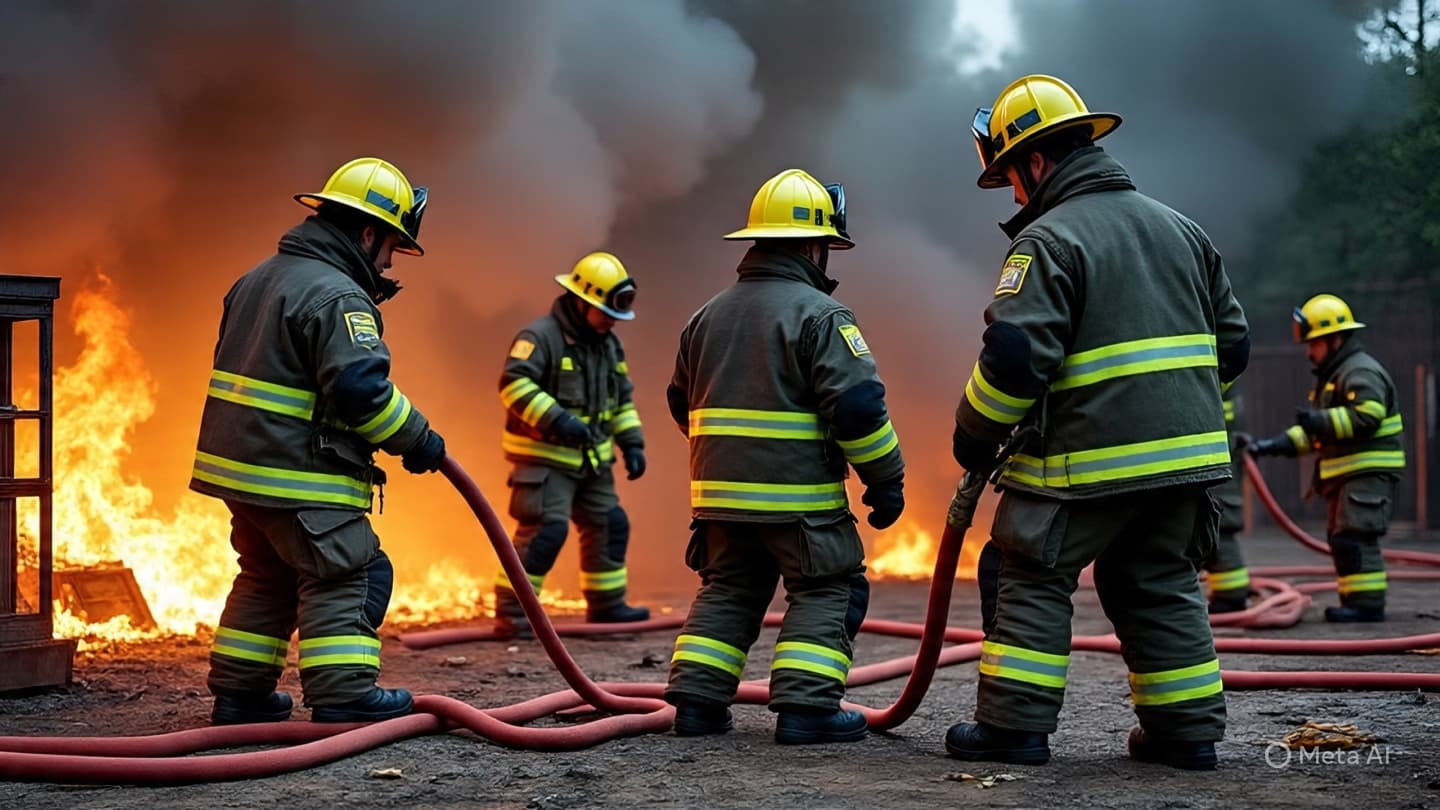
The Finnish rescue services operate through a decentralized yet highly coordinated system. This structure enables local units to respond quickly to incidents while maintaining a level of national coordination during larger emergencies. The ability to mobilize resources efficiently across different regions is a key strength of the Finnish fire response system, allowing for rapid action that can significantly reduce the impact of fires.
Recent discussions surrounding fire safety in Finland have highlighted the critical need to modernize older buildings. Many structures, particularly in urban areas, may not meet current safety standards, which can pose risks during fire incidents. Authorities are advocating for updated safety systems, including advanced fire detection and suppression mechanisms, as well as comprehensive evacuation protocols. These measures are essential to ensure that buildings can withstand potential fire threats and protect occupants effectively.
In urban settings, the complexity of mixed-use buildings adds another layer of challenge to fire safety. Continuous inspection and compliance monitoring are necessary to identify and mitigate risk factors associated with these structures. The integration of residential, commercial, and industrial spaces requires a collaborative approach to fire safety, ensuring that all stakeholders are engaged in maintaining safety standards.
Public awareness programs and safety education initiatives are also a focal point of Finland's fire safety strategy. Authorities emphasize that fire prevention is a shared responsibility, requiring active participation from both institutions and citizens. By fostering a culture of safety and preparedness, Finland aims to reduce the likelihood of fire incidents and enhance community resilience.
In summary, Finland's fire safety system embodies a comprehensive philosophy: prevention is not merely a reaction to incidents but a continuous process of readiness and improvement. This proactive approach ensures that the nation remains vigilant against fire risks, safeguarding lives and property across its diverse landscapes.
Published by Banx Network. This article is part of the Banx decentralized media programme, powered by the BXE token on the XRP Ledger.



