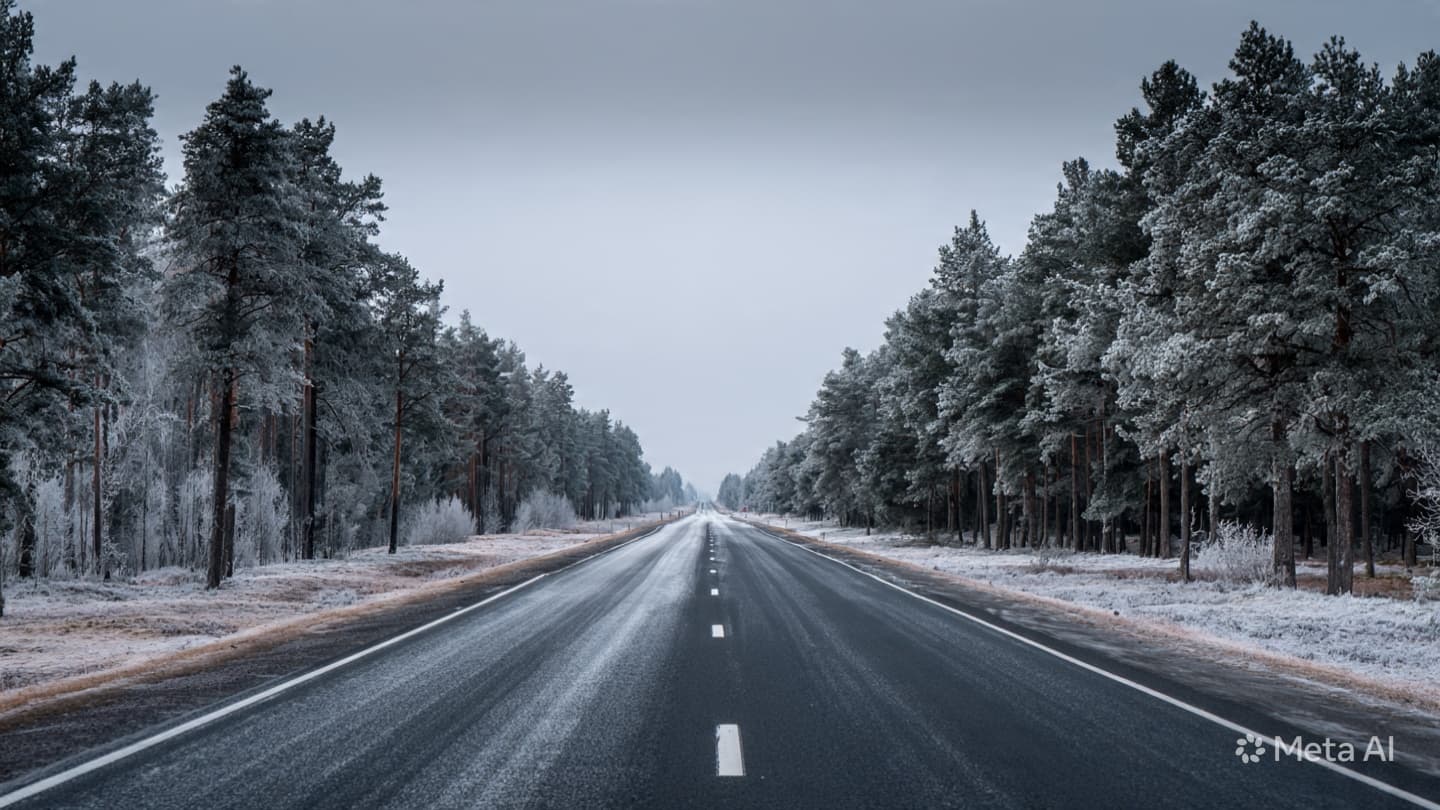
The morning air in Tartu hung heavy with the crystalline silence that follows a deep, lingering freeze. Along the major arterial highways, the landscape was etched in the sharp, unforgiving lines of winter, where the horizon blurred into a slate-gray expanse of frost and biting wind. Travelers moved with a cautious, rhythmic uncertainty, their tires humming against a surface that had become as treacherous as it was unremarkable. It is a peculiar kind of vulnerability that descends upon the road in such conditions, a reminder that the asphalt beneath our wheels is only as forgiving as the elements permit.
Traffic moved in a fractured dance of caution and momentum, each vehicle a solitary vessel navigating the invisible, shifting hazards of black ice. As the light struggled to pierce the overcast sky, the stillness was shattered by the discordant geometry of a collision. Metal yielded to physics in a sudden, violent reclamation of space, leaving the highway altered in an instant. The ordinary rhythm of the commute, usually defined by the predictable surge of transit, collapsed into the static tension of emergency response.
Observers noted how swiftly the familiar route transformed into a theater of urgent, somber action. First responders arrived to navigate the treacherous conditions, their presence a beacon of order amidst the chaotic aftermath of the multi-car pileup. The ice, having settled overnight into a deceptive sheen, had turned a routine stretch of highway into a catalyst for tragedy. It is in these moments that the sheer scale of the landscape dwarfs the human endeavor, reminding us of the precarious balance maintained by those who venture out into the biting cold.
For those gathered on the periphery, the reality of the loss rippled through the immediate community. The event served as a stark, unsolicited lesson on the limitations of modern infrastructure when confronted with the raw, atmospheric volatility of the northern winter. Efforts to clear the roads had been constant, yet nature often retains the upper hand, layering the pavement with a frozen indifference that defies the most diligent efforts of maintenance crews. The highway, once a symbol of connectivity, briefly became a stark reminder of isolation and vulnerability.
Amidst the clearing of wreckage and the meticulous documentation of the scene, the air remained thick with the unspoken gravity of the day. The authorities moved with the careful, measured pace of those accustomed to the somber duty of processing such incidents. There was no grand narrative here, only the quiet, crushing weight of a life extinguished in the middle of a mundane journey. The surrounding woods stood as silent witnesses to the unfolding scene, their branches coated in rime as if to shield the highway from the harshness of the morning.
As the day progressed, the focus shifted from the immediate rescue to the systematic reconstruction of events. Investigators parsed the patterns of skid marks and the disposition of the vehicles, seeking to understand the specific chain of failures that led to the fatal outcome. It is a process devoid of sentiment, yet deeply marked by the necessity of uncovering the "why" behind the physical carnage. This technical dissection provides a necessary, if cold, counterbalance to the visceral experience of the accident itself.
The highway eventually reopened, the flow of traffic resuming as if the morning’s interruption were merely a ripple in a vast, uncaring stream. Yet, for those who witnessed the event or lost a loved one within that stretch of pavement, the road remains forever marked. The memory of the collision persists, woven into the geography of the route like a phantom landmark, cautionary and profound. It is a somber acknowledgment of the unseen forces that dictate our passage through the world.
Authorities confirmed that the fatal multi-car collision occurred on a major highway outside Tartu, Estonia, amid treacherous icy conditions. The accident involved multiple vehicles and resulted in one confirmed fatality. Local traffic management and police services have emphasized the heightened risks posed by fluctuating temperatures, which continue to create hazardous patches of black ice on main transit arteries. An official investigation into the specific circumstances of the crash is currently ongoing.
Published by Banx Network. This article is part of the Banx decentralized media programme, powered by the BXE token on the XRP Ledger.