
Key Highlights
- Ølst Area: Recent incidents of soil contamination have raised alarms.
- Environmental Monitoring:Authorities are implementing containment measures.
- Long-term Risks:Ongoing assessments focus on ecosystems and communities.
The Ølst area in Denmark has recently become a focal point for environmental safety concerns due to incidents of contaminated land and ground instability. This situation has drawn attention to the gradual development of environmental risks, which can arise from industrial accumulation and challenges in waste management. The contamination in Ølst serves as a critical case study in understanding how such issues can evolve over time, often without immediate or dramatic signs.
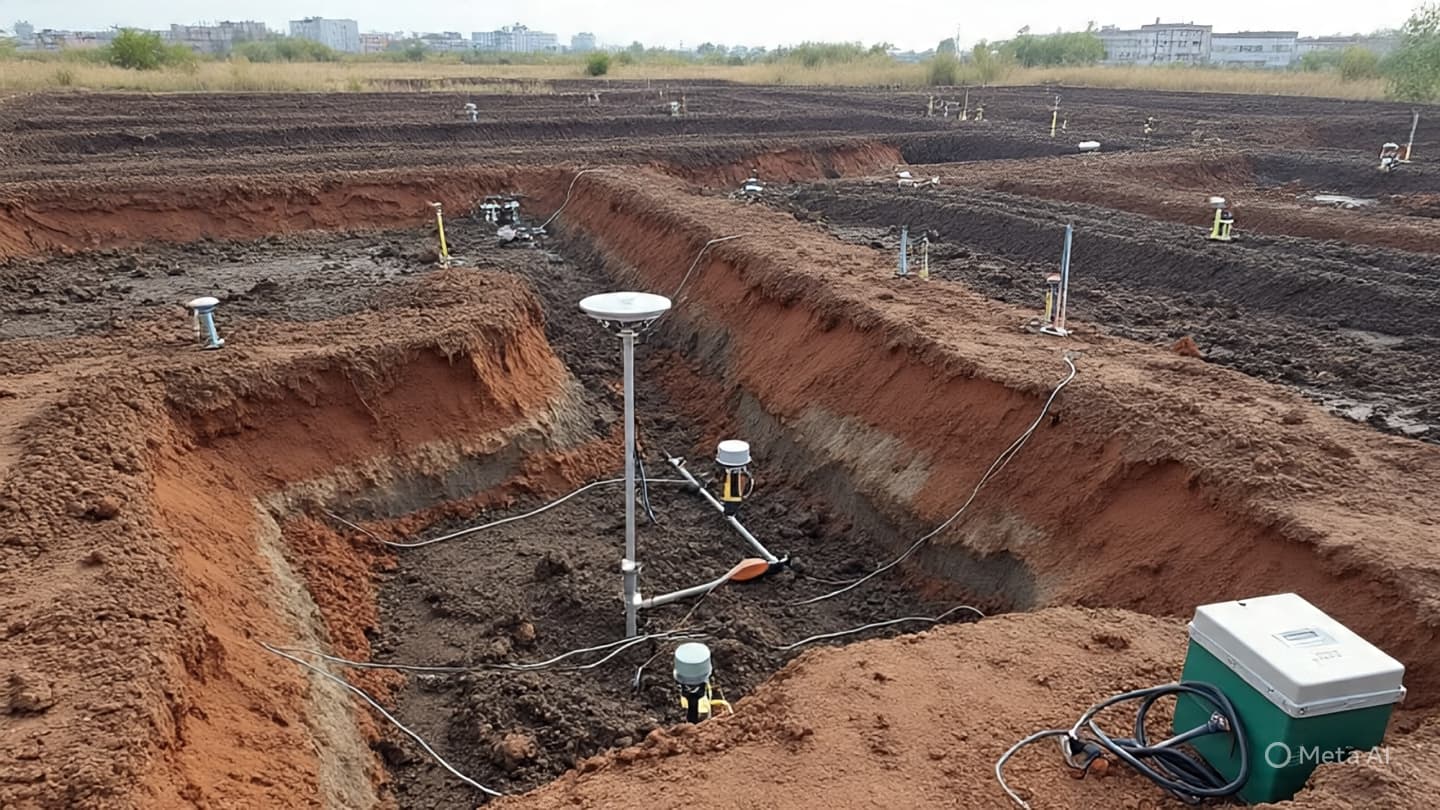
Authorities, including local governments and environmental agencies, have been closely monitoring the affected areas. They are implementing containment measures to mitigate the risks posed by contaminated soil and landfill-related hazards. This coordinated effort involves collaboration between various stakeholders, including environmental regulators and scientific institutions, to ensure that both ecosystems and residential zones are protected from potential harm.
Despite Denmark's reputation for maintaining strong environmental standards, the complexity of modern waste management systems means that unexpected risks can still emerge. The Ølst case has sparked discussions about the management of industrial byproducts and the importance of maintaining environmental safety over time. As the situation develops, it highlights the need for continuous vigilance and proactive measures in environmental governance.
In response to the Ølst contamination crisis, there has been a notable increase in focus on monitoring systems and land rehabilitation strategies. Authorities are advocating for stricter oversight of waste handling practices to prevent similar incidents in the future. This proactive approach aims to address not only the immediate concerns in Ølst but also to foster a broader conversation about sustainable industrial development and long-term ecological responsibility.
Environmental incidents like the one in Ølst are not isolated disruptions; they are part of a larger narrative concerning the balance between industrial activity and environmental stewardship. As Denmark navigates these challenges, the Ølst case serves as a reminder of the ongoing need for effective environmental management and the importance of community engagement in addressing such critical issues.
Published by Banx Network. This article is part of the Banx decentralized media programme, powered by the BXE token on the XRP Ledger.



