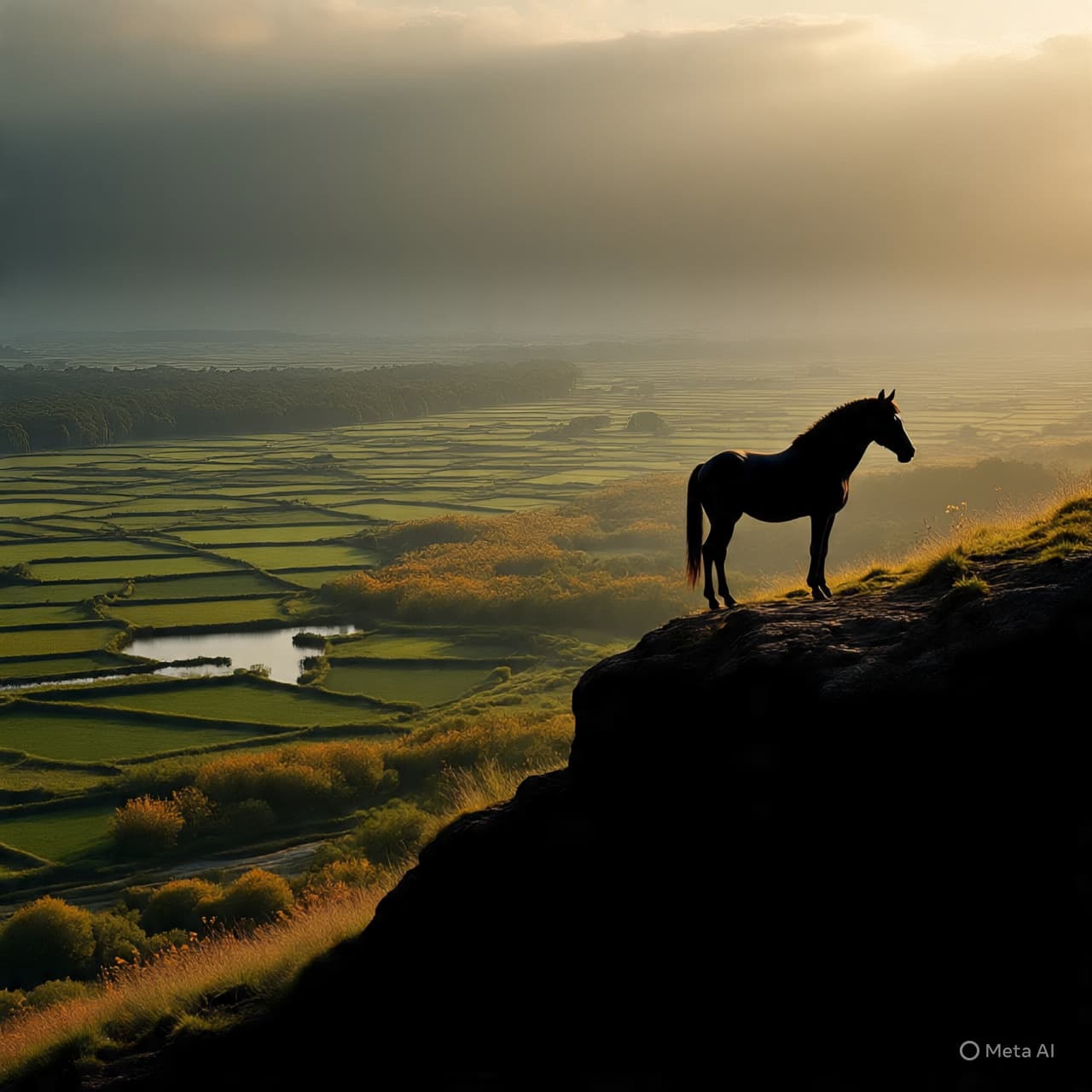
Soft breezes stir the grasses of the high alpine plains, where once-running herds of wild horses — the brumbies — left hoofprints across bogs and snow-grass meadows. The story of these horses has long carried echoes of folklore and freedom: legends of pioneers and mountain men, wild hooves echoing across jagged ridgelines. Yet now, the government has turned a silent corner. The legal shield that once cast them as heritage icons has been removed — and the wild horses stand once more under the open sky, but without protection.
In recent days, lawmakers in New South Wales quietly repealed the heritage-status law that had kept the brumbies immune from standard invasive-species management. Under the new legislation, wild horses in Kosciuszko National Park will be treated like any other introduced species — subject to removal, population control, and habitat-protection measures.
Supporters of the change say the move corrects a longstanding imbalance: for decades, the brumbies’ roaming trods had eroded fragile soils, trampled snow-grass, and damaged wetlands — undermining the delicate alpine ecology. Streams turned muddy, amphibians and native plants vanished, and once-lush meadows bore the scars of overgrazing. The new law — they argue — gives the mountains room to breathe again, allowing native flora and fauna to reclaim the land.
From the perspective of ecological health, early signs are hopeful. Recent surveys show that, after years of culling, rehoming, trapping, and other control measures, the population of wild horses in the park has dropped dramatically. Estimates now suggest only a few thousand remain — a steep decline from the tens of thousands recorded in the past. Some formerly degraded grasslands appear to be regenerating: snow-grass is recovering, stream banks are stabilizing, and native animals — including endangered marsupials — are showing signs of rebound.
Yet for many, the loss of protection feels bittersweet. The brumby has long been more than just a horse — it has been a symbol of wild freedom, colonial memory, folklore, and cultural identity. To some, the repeal is a loss of heritage, a turning away from mythic equestrian ghosts that galloped across misty peaks. Others worry for the welfare of individual horses, uncertain what will become of them under a regime of eradication and control.
In the end, the decision reflects a hard balancing act — between memory and ecology, identity and survival. By removing special status for brumbies, authorities have chosen the land itself: its fragile alpine wetlands, its slow-growing grasses, its native species struggling to survive under hoof-heavy pressure. For now, the mountains may heal. And the wild horses — once free — may wander into new chapters, shaped by necessity more than legend.
In gentle news, the repeal has passed, and Kosciuszko National Park’s management plan will treat brumbies as part of a broader ecological recovery effort. The coming years may test whether this decision restores balance, or whether the echoes of hoofbeats will continue to stir debate.
AI Image Disclaimer: “Visuals are created with AI tools and are not real photographs.”
Sources: 9News The Guardian ABC News The New Daily About Regional.
Published by Banx Network. This article is part of the Banx decentralized media programme, powered by the BXE token on the XRP Ledger.