
Key Highlights
- Arms Deal:Iran and Russia finalize a €500 million arms agreement.
- Delivery Timeline:500 Verba systems and 2,500 missiles to be delivered from 2027 to 2029.
- Strategic Implications:The deal reflects evolving geopolitical dynamics and defense strategies.
In a significant development in international arms trade, Iran and Russia have finalized a confidential €500 million arms deal that is set to reshape the security landscape in the Middle East. The agreement, reached in December, involves the delivery of 500 Verba man-portable air-defense systems and 2,500 associated 9M336 shoulder-fired missiles over a three-year period starting in 2027. This deal, negotiated between Russia's state arms exporter Rosoboronexport and Iran's Ministry of Defence and Armed Forces Logistics, underscores the deepening military cooperation between the two nations.
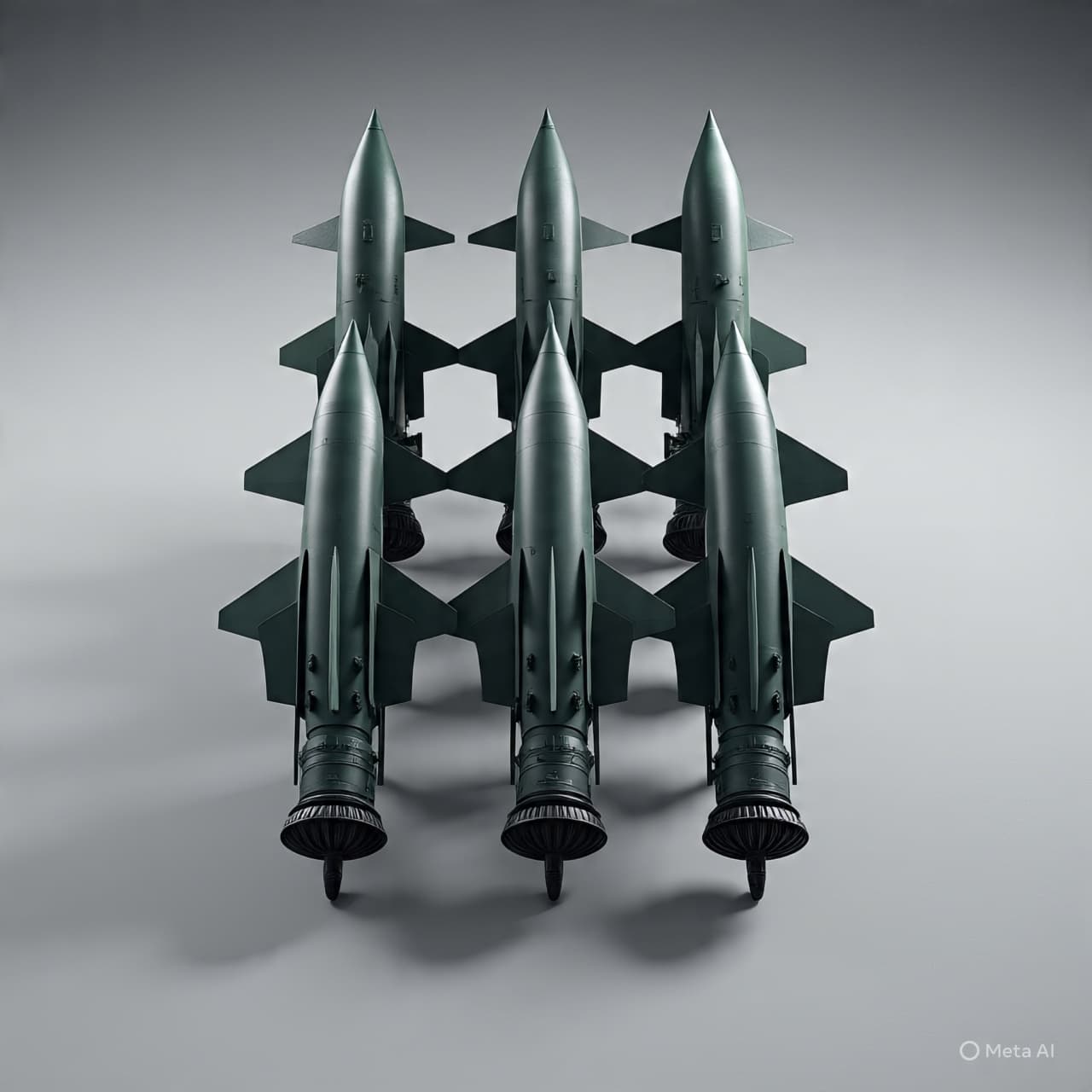
The Verba system represents a modern advancement in shoulder-fired, infrared-guided air-defense technology, designed for rapid deployment against low-flying threats such as drones and aircraft. Analysts suggest that this acquisition aligns with Tehran's objective to bolster its air defense capabilities, particularly following the extensive damage incurred during the previous year's conflict with Israel. The strategic timing and structure of the deal indicate a long-term partnership that extends beyond immediate military needs, reflecting broader geopolitical calculations.
The arms deal is not merely a transaction of equipment; it symbolizes a deeper strategic alignment between Iran and Russia. Observers note that while the two countries share a partnership, it does not entail mutual defense obligations. The phased delivery approach suggests that both nations anticipate a sustained collaboration that could influence regional security dynamics for years to come.
Reactions to the news of the arms deal have been measured across various capitals, with officials expressing concern over the implications for international security architectures. Policy experts are analyzing how this transaction may interact with ongoing tensions surrounding nuclear negotiations and military deployments in the region. The deal highlights the persistence of state-to-state cooperation outside the more visible arenas of international diplomacy, raising questions about the future of defense capacities in the context of evolving geopolitical tensions.
As winter light casts shadows over Tehran and Moscow, the implications of this arms deal resonate far beyond their borders. The delivery of Verba systems and missiles could potentially alter the balance of power in the region, prompting a reevaluation of defense strategies among neighboring states. The discreet nature of the agreement and its scheduled delivery timeline reflect the intricate choreography of international relations, where arms and alliances are inextricably linked.
In summary, the finalized arms deal between Iran and Russia signifies a pivotal moment in their bilateral relations, with potential ramifications for regional security and international diplomacy. As the world watches, the impact of these advanced air-defense systems on the geopolitical landscape remains to be seen.
Published by Banx Network. This article is part of the Banx decentralized media programme, powered by the BXE token on the XRP Ledger.



