
Key Highlights
- New International Panel:Aims to accelerate the shift from fossil fuels.
- Global Energy Transition:Focuses on reducing reliance on coal, oil, and gas.
- Urgency of Climate Action:Addresses the pressing need for sustainable energy solutions.
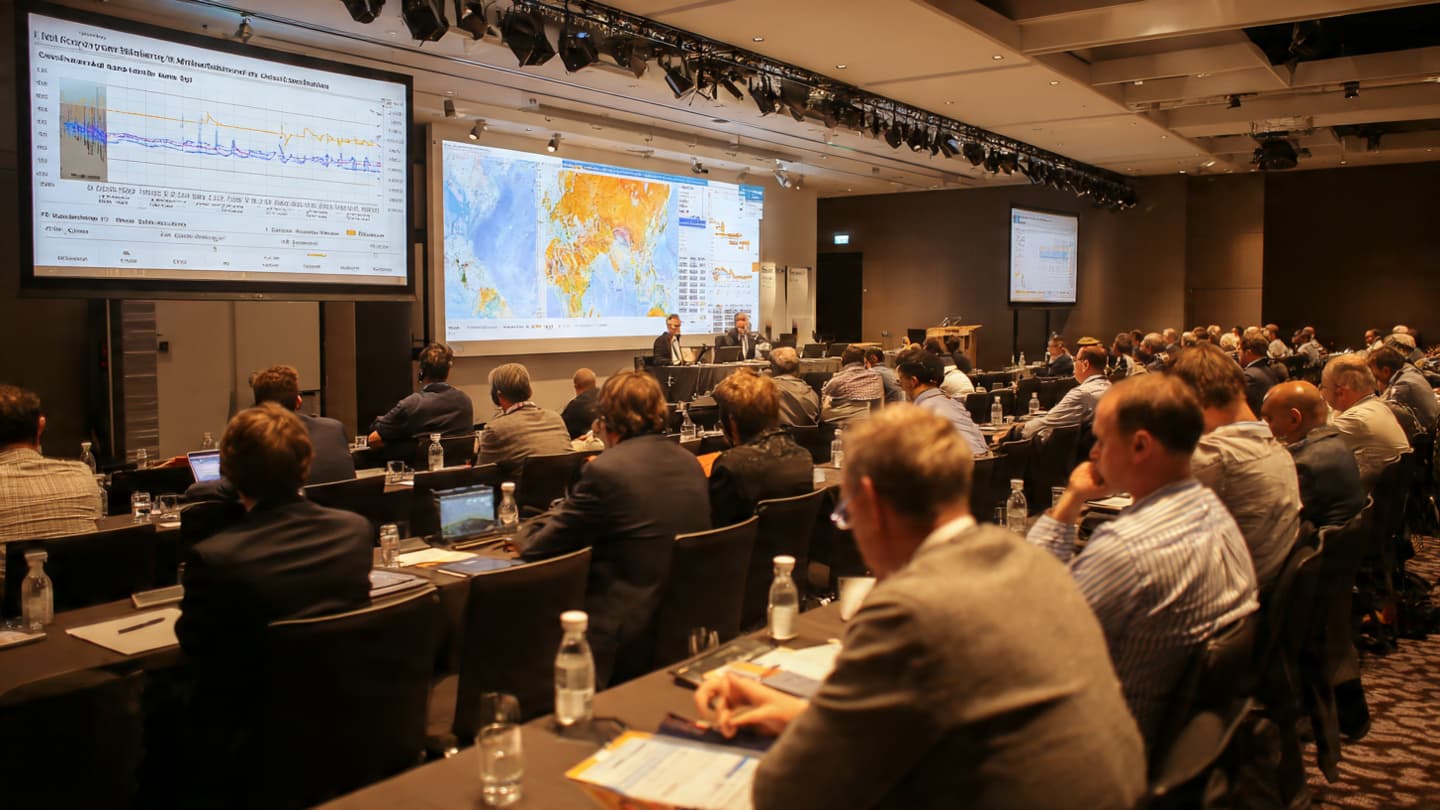
A new international panel has been established with the goal of accelerating the global transition away from fossil fuels. This initiative reflects a growing recognition among governments, institutions, and climate-focused organizations that the timeline for energy transformation is tightening. The panel brings together experts and policymakers tasked with identifying pathways to reduce reliance on coal, oil, and gas while expanding renewable energy systems.
Rather than a single agreement or treaty, this panel serves as a coordination point—a space where scientific assessment, policy planning, and economic forecasting intersect. Its purpose is less about immediate enforcement and more about aligning direction: how different regions might move, at varying speeds, toward a shared horizon of lower-carbon energy systems.
Globally, this horizon is already visible in fragments. Wind farms trace coastlines, solar fields expand across deserts, and hydropower systems adapt to changing rainfall patterns, all suggesting a landscape in transition. However, fossil fuels remain deeply embedded in global infrastructure, powering transport systems, industries, and heating networks that cannot shift overnight without significant disruption.
The creation of this panel highlights the tension between urgency and inertia. Climate scientists have long emphasized the narrowing window for limiting global temperature rise, while policymakers grapple with the layered constraints of economic stability, energy security, and technological readiness. The result is a negotiated transition—less linear movement and more gradual reorientation.
In many regions, the energy transition is already visible through policy commitments. Governments have announced net-zero targets, investment frameworks for renewable energy, and incentives for electrification. Yet, fossil fuel production continues to play a central role in national economies, particularly in countries where extraction remains a primary source of revenue and employment.
This dual reality shapes the challenge the new panel is intended to address. It is not merely about replacing one energy source with another but managing the uneven pace at which different parts of the world can move. Some countries are rapidly expanding renewable infrastructure, while others still rely on traditional energy systems for development and stability.
The discussion also extends into infrastructure: electricity grids that must be modernized, storage systems that need to become more efficient, and supply chains that must adapt to new forms of energy generation. These adjustments are not abstract but require time, capital, and coordination across borders.
In the backdrop of these developments is a growing recognition that climate change is no longer a distant projection but a present condition affecting weather patterns, agricultural cycles, and coastal environments. Extreme weather events, shifting temperatures, and resource stress have added urgency to global energy discussions, even as political and economic considerations complicate consensus.
The formation of this panel, therefore, is part of a broader global effort to synchronize ambition with feasibility. It reflects an understanding that the transition away from fossil fuels is not a single decision but a sequence of interconnected changes—technical, financial, and social.
As discussions progress, attention will likely focus on how recommendations translate into national policies and investment decisions. The effectiveness of such initiatives often depends not only on the strength of their proposals but also on the willingness of diverse actors to align around shared timelines.
For now, the initiative exists as a framework for acceleration—a structured attempt to shorten the distance between present dependency and future alternatives. It does not eliminate the complexity of the energy transition but seeks to organize it, giving form to what might otherwise remain dispersed across competing priorities.
And so the world continues its gradual repositioning: from reliance on fossil fuels to a more sustainable energy future.
Published by Banx Network. This article is part of the Banx decentralized media programme, powered by the BXE token on the XRP Ledger.



