
Key Highlights
- Satellite technology is increasingly used for military surveillance.
- The evolution of satellite capabilities alters the balance of power.
- Access to satellite imagery enhances situational awareness for nations.
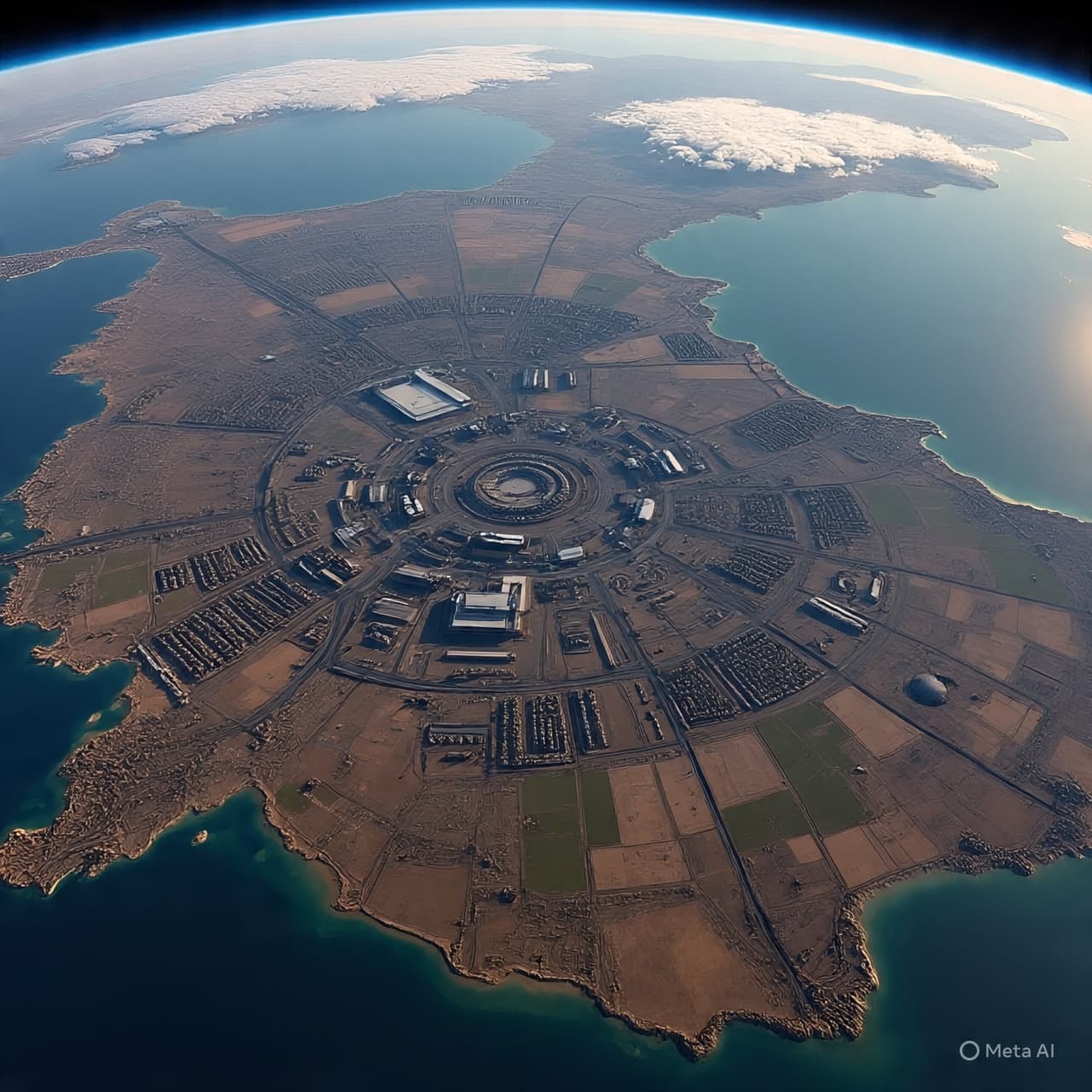
The intersection of technology and military strategy is becoming increasingly pronounced, particularly with the rise of satellite capabilities. Recent reports indicate that a satellite, developed with support from a major tech company, has been utilized to monitor military installations in the Middle East. This development underscores a growing reliance on space-based technologies to gather intelligence and inform strategic decisions.
Historically, military operations required physical proximity to gather intelligence. However, advancements in satellite technology have shifted this paradigm. High-resolution imagery and sophisticated data analysis now allow for detailed observation from orbit, effectively diminishing geographical barriers. This evolution not only enhances situational awareness but also transforms how nations perceive and respond to potential threats.
For countries involved in regional conflicts, the ability to monitor military sites from a distance introduces a new dimension to strategic planning. The insights gained from satellite imagery can inform decisions without necessitating direct engagement, thereby altering the calculus of military action. This capability is particularly significant in areas where tensions are high, as it provides a clearer picture of adversarial movements and intentions.
The role of technology companies in developing these capabilities cannot be understated. Their involvement highlights the interconnected nature of modern military systems, where technological collaboration plays a crucial role in distributing advanced capabilities. As more nations gain access to satellite technology, the landscape of international relations becomes increasingly complex, with multiple actors vying for influence and information.
Moreover, the use of satellite imagery extends beyond mere observation; it encompasses the interpretation of data. The ability to analyze patterns and draw conclusions from satellite images transforms raw data into actionable intelligence. This process is critical for military strategists who must navigate an ever-evolving geopolitical landscape.
As satellite technology becomes more accessible, the implications for global security are profound. The threshold for participation in space-based observation is lowering, allowing a wider array of nations and non-state actors to engage in surveillance activities. This democratization of technology raises questions about accountability and the potential for misuse, as the ability to observe becomes widespread.
The reported use of a Chinese-built satellite by a nation in the Middle East exemplifies these dynamics. It serves as a reminder that technology is not merely a tool; it is also a signal of power and intent. The deployment of such capabilities reflects broader geopolitical relationships and the shifting nature of international power dynamics.
As the satellite continues its orbit, the information it gathers contributes to a larger framework of understanding that shapes military strategy and international relations. In this new era of surveillance, the quiet observation from above plays a crucial role in defining how nations interact and respond to one another.
Published by Banx Network. This article is part of the Banx decentralized media programme, powered by the BXE token on the XRP Ledger.



